

10 Fruits and Vegetables Nigerians Should Eat for Better Health
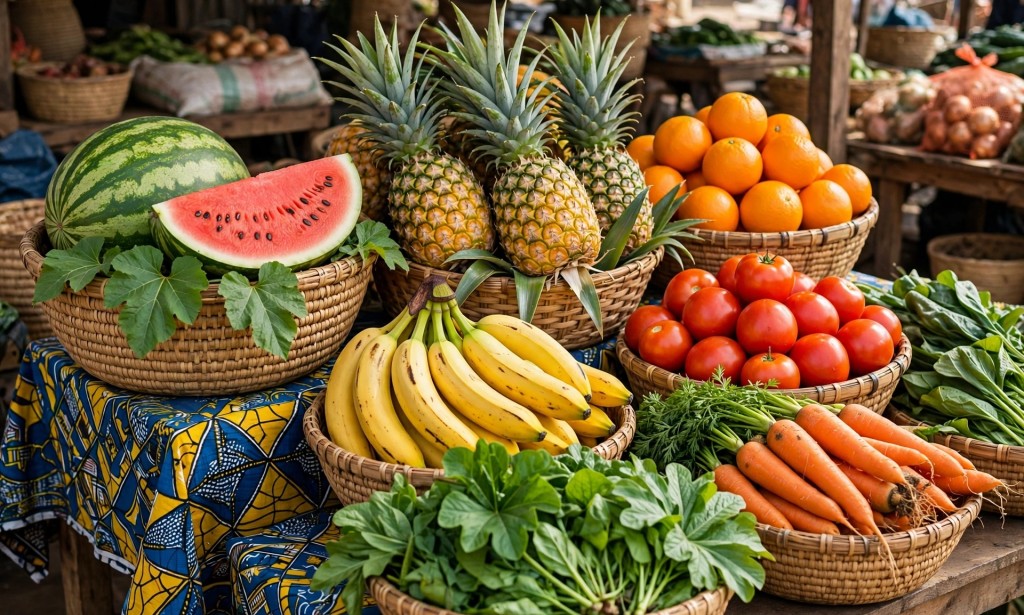
Nigeria is blessed with many affordable fruits and vegetables that can help us maintain good health. From sweet watermelon to nutritious ugu leaves, these foods provide essential vitamins, minerals, fibre, and other nutrients our bodies need.
Although no fruit or vegetable can cure every illness, eating a variety of them regularly can support overall health. Here are 10 nutritious options to include in your meals.
1. Watermelon
Watermelon contains plenty of water, making it a refreshing choice in Nigeria's hot weather. It also provides vitamin C and lycopene, an antioxidant that supports health. Its water content contributes to normal hydration, helping your kidneys function properly.
2. Pineapple
Pineapple provides vitamin C, which supports the immune system and helps the body produce collagen. It also contains fibre and bromelain, a group of enzymes that break down proteins. Enjoy fresh pineapple as part of a balanced diet.
3. Oranges
Oranges are a good source of vitamin C, which supports immune function, wound healing, and iron absorption. They also contain water and fibre. Eating whole oranges is generally a better way to get their fibre than drinking only the juice.
4. Bananas
Bananas provide carbohydrates for energy, as well as potassium and vitamin B6. Potassium supports normal muscle function and helps regulate blood pressure. A banana can make a convenient snack before school, work, or exercise.
5. Tomatoes
Tomatoes contain vitamin C, potassium, and lycopene. Cooking tomatoes can make some lycopene easier for the body to absorb, especially when prepared with a little oil. Add tomatoes to stew, soup, sauces, and other meals for extra nutrients and flavour.
6. Carrots
Carrots contain beta-carotene, which the body converts into vitamin A. Vitamin A is essential for normal vision, immune function, and healthy growth. You can eat carrots raw after washing them properly or add them to rice, stew, and vegetable dishes.
7. Ugu (Fluted Pumpkin Leaves)
Ugu is a popular Nigerian leafy vegetable that provides nutrients, including folate, vitamin C, and carotenoids. Depending on the serving and preparation, it can also contribute iron to your diet. Combine ugu with other nutritious foods to support a balanced diet.
Although ugu can contribute to iron intake, it should not be considered a treatment for anaemia. Anyone experiencing symptoms of low blood, such as unusual tiredness or weakness, should seek medical assessment.
8. Spinach and Other Green Leafy Vegetables
Green leafy vegetables provide fibre, folate, vitamin K, and other important nutrients. Fibre supports digestion and helps prevent constipation. Eating a variety of vegetables can also help you feel satisfied while maintaining a balanced diet.
9. Avocado
Avocado contains unsaturated fats, fibre, and potassium. Replacing some foods high in saturated fat with sources of unsaturated fat can support heart health. You can add avocado to bread, salads, or other meals according to your budget.
10. Cucumber and Garden Eggs
Cucumber contains plenty of water and provides a refreshing snack. Garden eggs also provide fibre and other nutrients. Both can be included in a balanced diet, but neither should be treated as a cure for diabetes or high blood pressure.
If you have high blood sugar or high blood pressure, follow your healthcare professional's advice and prescribed treatment while making appropriate dietary changes.
How to Include More Fruits and Vegetables in Your Diet
You do not need to buy every fruit and vegetable at once. Choose what is affordable and available in your local market.
- Breakfast: Eat a banana or orange alongside your usual breakfast.
- Afternoon: Enjoy watermelon or pineapple as a snack.
- Lunch or dinner: Add ugu, tomatoes, carrots, or other vegetables to your meal.
- Between meals: Try cucumber or garden eggs instead of always choosing sugary snacks.
Wash fruits and vegetables thoroughly under clean running water before eating or cutting them. Avoid using salt, detergent, or household cleaning chemicals as a substitute for proper washing.
Final Advice
Eating fruits and vegetables regularly is one practical way to improve the quality of your diet. They provide nutrients that support normal body functions, but no single food can guarantee a longer life or replace medical treatment.
Start by adding a variety of fruits and vegetables to your meals and choose options that fit your budget. Small, consistent changes can help you build healthier eating habits over time.
Which fruit or vegetable do you eat most often? Share your favourite in the comments!
Health disclaimer: This article provides general nutrition information and is not a substitute for professional medical advice or treatment.


You must be logged in to post a comment.