

Before You Venture Into Affiliate Marketing in Nigeria: A Practical Guide.
Affiliate marketing has soared in popularity across Nigeria — especially by widespread use of internet in recent years, booming e-commerce, and a youthful, tech-savvy population. But while the potential to earn is real, success doesn’t come by accident. You need clarity, planning, and the right strategy before you dive in.
This article breaks down critical things to note and practical actions to take before starting your affiliate marketing journey.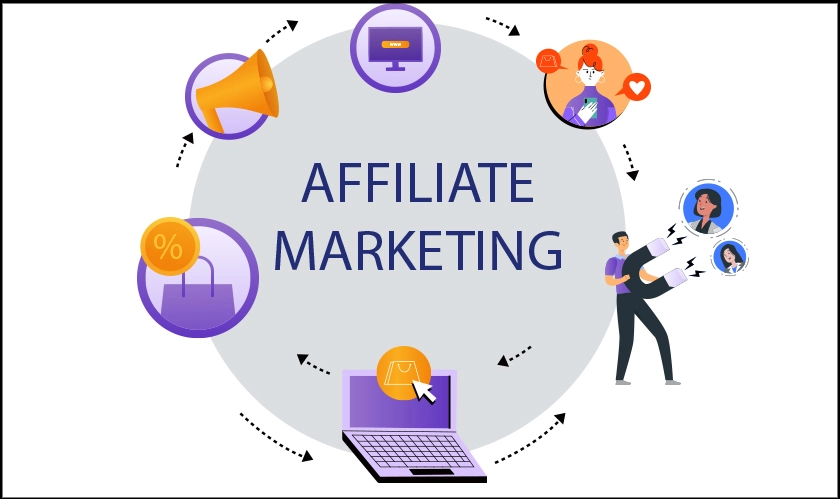
1. Understand What Affiliate Marketing Really Is:
Affiliate marketing is a performance-based business model where you earn a commission by promoting other people’s products or services. That is, when someone buys or completes an action through your referral link, you get paid.
It may sound simple but it’s more than clicking links. At its core, affiliate marketing is about audience trust, useful content, and targeted promotion and advertisment.
2. Know the Nigerian Digital Context
Nigeria’s digital economy is unique due to;
Youth dominance: A huge portion of the Nigerian online population is under 35.
Social media: Platforms like TikTok, Instagram, Facebook, and Twitter (X) are major traffic channels.
Fintech penetration: E-payment options and mobile money make transactions easier — but it's best you choose affiliate programs that pay in ways you can actually access locally.
Tip: Ensure the affiliate networks you join support payment methods viable in Nigeria (e.g., PayPal, Payoneer, bank transfer, or crypto where appropriate).
3. Do Your Market and Niche Research
Affiliate marketing works best when you focus on a specific niche. A “niche” is a topic or segment of the market with shared interests. Examples are:
- Personal finance & investing
- Health & fitness
- Beauty and fashion
- Tech gadgets
- Online learning & courses, etc.
Why niche matters:
Easier to attract a loyal audience
Less competition than broad markets
Higher conversion rates due to relevance
Action Steps:
Use Google Trends to test demand for topics in Nigeria.
Check competitor content on YouTube and blogs.
Ask your audience what problems they want solved.
4. Select Reliable Affiliate Programs and Networks:
There are global and Nigeria-focused programs. Popular international channels include:
Amazon Associates.
ClickBank
ShareASale
Commission Junction (CJ)
Impact Radius
Locally, some platforms offer affiliate programs too — especially in e-commerce, digital products, and online education.
Important considerations:
Commission rates and structure (CPA, revenue share)
Cookie duration (how long your referral link stays valid)
Acceptance and payout thresholds
Payment methods and fees
5. Build a Platform where Your Audience Lives
Affiliate marketers need a content platform through which they attract and engage audiences. Popular choices in Nigeria include:
Blogging
Write SEO-optimized content that answers real problems.
Good for long-term search traffic (Google).
YouTube
Great for product reviews, tutorials, and information.
Nigeria has a rapidly growing video audience.
Social Media:
TikTok and Instagram are ideal for short, engaging content.
Reels and TikTok videos can go viral — fast audience growth.
Email List
Most successful affiliates build their own subscriber list.
Email gives you control over your traffic without relying on unpredictable social algorithms.
Pro Tip: Start with one main platform e.g Facebook, and expand later.
6. Focus on Content That Educates and Helps:
Affiliate marketing isn’t about pushing links — it’s about value first.
Your content should:
Solve real problems
Educate before promoting
Be honest about pros and cons
Include clear calls-to-action (CTA) with your affiliate links
Avoid: Fake hype, overpromising, and misleading claims as they can destroy trust and conversions.
7. Learn Basic Digital Marketing Skills
Success in affiliate marketing is tied to broader skills, which I'll explain for better understanding;
SEO (Search Engine Optimization) — crucial for blogs and YouTube. It means improving the quality of your content to boost your level in search results– without having to pay.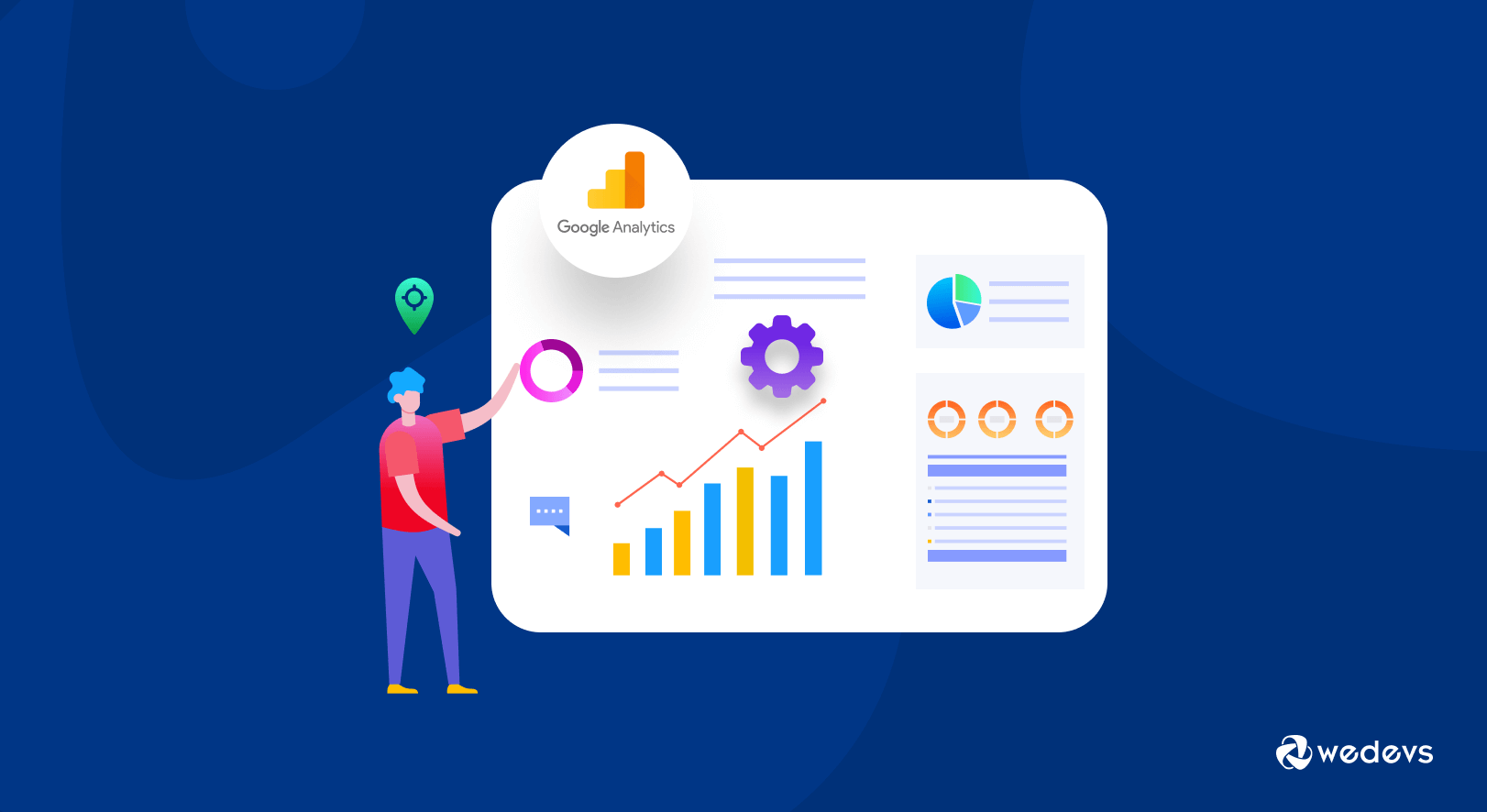
Copywriting — is a strategic way of creating content with the aim of persuading your audience into taking an action, for this case clicking your link or buying from your vendor.
Analytics tracking —this measures user behavior, traffic sources, and website or app performance to optimize ROI and digital marketing efforts. It allows you to know what works for your audience and what doesn’t based on data-driven insight.
Paid ads (optional but powerful) — Facebook, TikTok, Google Ads can skyrocket traffic, as it might reach your target audience wherever.
Action: Invest time (or small funds) to learn through online courses, YouTube tutorials, or local workshops, it will come in handy.
8. Set Realistic Expectations:
Affiliate marketing is not a get-rich-quick scheme. It takes:
Consistent effort.
Regular content creation.
Testing and optimization.
Time to build authority and trust.
Many successful affiliates start earning noticeable income after 3–12 months of focused effort.
9. Legal and Ethical Considerations
Be mindful of:
Disclosing affiliate links — be transparent with your audience.
Respecting platform rules — each platform has its own policy on affiliate marketing (Facebook, YouTube, TikTok, etc.).
Tax obligations — as a Nigerian earning online income, you may need to report earnings according to the new tax laws.
10. Track Performance & Optimize
No strategy works forever. Use analytics tools to monitor:
Click-through rates (CTR)
Conversion rates
Traffic sources
Revenue per link
Tools you can use:
Google Analytics
YouTube Analytics
Bitly or UTM link trackers
Its important to adjust your content and promotion strategy based on data and information, not guesswork.
Final Words: Preparation Beats Panic
Affiliate marketing in Nigeria is full of opportunity — but preparation is the difference between a hobby and a sustainable income source.
Begin with:
- Clear niche
- Audience research
- Right affiliate programs
- A content platform, i.e social media.
- Tracking and optimization
Build trust, serve genuinely, and let your affiliate income grow with consistency.


Thank you
Glad it helped
You must be logged in to post a comment.