
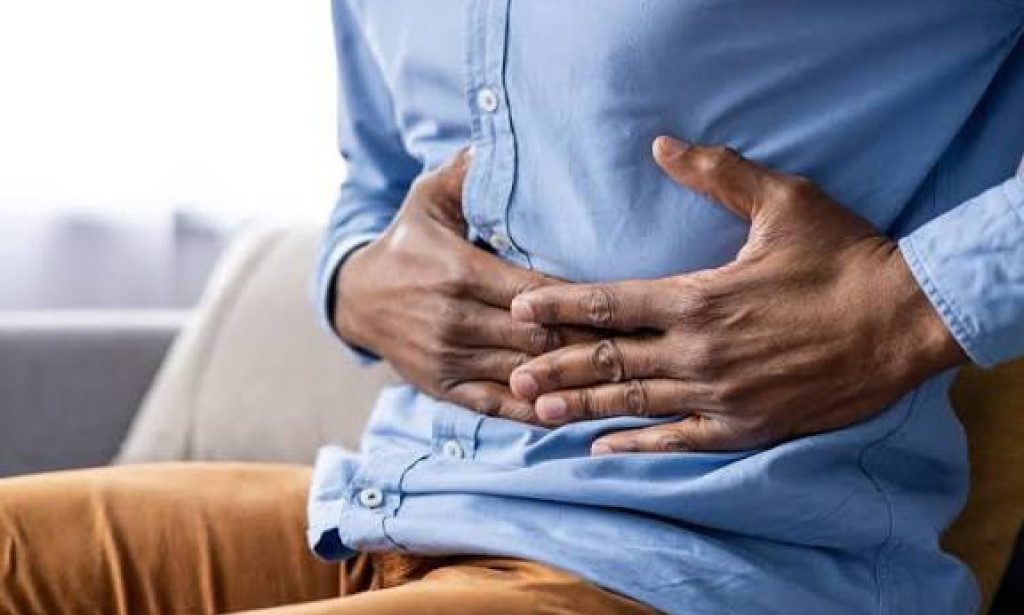
Belly pain, or abdominal pain, can have many causes, ranging from mild and temporary issues to serious medical conditions. Here's an extensive breakdown:
Common Causes of Belly Pain
1. Digestive Issues
Indigestion (Dyspepsia): Caused by eating too much, too fast, or fatty/spicy foods. Symptoms include bloating, gas, and a burning sensation.
Gas and Bloating: Trapped gas from swallowing air or bacterial fermentation in the gut can cause crampy pain, often relieved by passing gas.
Constipation: Hard stools and infrequent bowel movements lead to lower abdominal pain, bloating, and discomfort.
Diarrhea: Viral or bacterial infections (like food poisoning) cause loose stools and cramping, often with nausea or fever.
Irritable Bowel Syndrome (IBS): A chronic condition causing abdominal pain, bloating, and alternating constipation and diarrhea. Stress and certain foods can trigger it.
2. Infections
Gastroenteritis ("Stomach Flu"): Caused by viruses (e.g., norovirus) or bacteria (e.g., Salmonella). Leads to cramping, vomiting, diarrhea, and dehydration.
Appendicitis: Inflammation of the appendix, causing sharp pain starting near the navel and moving to the lower right abdomen. Requires emergency surgery.
3. Inflammatory Conditions
Inflammatory Bowel Disease (IBD): Includes Crohn’s disease and ulcerative colitis. Causes chronic inflammation of the digestive tract, leading to severe pain, diarrhea, weight loss, and fatigue.
Pancreatitis: Inflammation of the pancreas, often due to gallstones or heavy alcohol use. Causes severe upper abdominal pain that may radiate to the back.
4. Organ-Related Issues
Gallstones: Hard deposits in the gallbladder that block bile flow, causing sudden, intense pain in the upper right abdomen, especially after fatty meals.
Kidney Stones: Cause sharp, cramping pain in the back or side that moves to the lower abdomen and groin. Often accompanied by blood in urine.
Liver Problems: Hepatitis or liver congestion can cause dull pain in the upper right abdomen.
5. Reproductive System (in women)
Menstrual Cramps (Dysmenorrhea): Pain in the lower abdomen before or during periods due to uterine contractions.
Ovulation Pain (Mittelschmerz): Brief, one-sided pain during ovulation.
Ectopic Pregnancy: A life-threatening condition where a fertilized egg implants outside the uterus, causing sharp pelvic pain and vaginal bleeding.
Ovarian Cysts or Torsion: Fluid-filled sacs on the ovary can cause dull or sharp pain; if they twist, the pain becomes severe.
Pelvic Inflammatory Disease (PID): Infection of the reproductive organs, often from STIs, causing chronic pelvic pain, fever, and unusual discharge.
6. Other Causes
Food Intolerances: Lactose intolerance or gluten sensitivity (celiac disease) can cause bloating, gas, and pain after eating certain foods.
Stress and Anxiety: Can trigger or worsen functional gut disorders like IBS.
Hernia: Part of the intestine pushes through a weak spot in the abdominal wall, causing a bulge and pain, especially when lifting.
Peptic Ulcers: Sores in the stomach or duodenum lining, often from H. pylori bacteria or NSAID use. Cause burning pain, often when the stomach is empty.
Remedies and Management
Lifestyle and Home Remedies
Dietary Changes: Avoid trigger foods (spicy, fatty, dairy, gluten). Eat smaller, frequent meals. Increase fiber for constipation; reduce it during diarrhea.
Hydration: Drink plenty of water, especially with diarrhea or vomiting.
Heat Therapy: A warm compress or heating pad on the abdomen can relax muscles and ease cramps.
Rest: Allow the digestive system to recover, especially during infections.
Probiotics: Found in yogurt or supplements, they help balance gut bacteria, useful for IBS or after antibiotics.
Over-the-Counter (OTC) Treatments
Antacids: For heartburn or indigestion (e.g., Tums, Maalox).
Simethicone: Helps break up gas bubbles (e.g., Gas-X).
Laxatives: For constipation (e.g., Miralax), but should not be overused.
Anti-diarrheals: Like loperamide (Imodium), but avoid if infection is suspected.
Pain Relievers: Acetaminophen (Tylenol) is safer; avoid NSAIDs (ibuprofen, aspirin) if ulcers or stomach irritation are possible.
Medical Treatments
Antibiotics: For bacterial infections like H. pylori, Salmonella, or PID.
Anti-inflammatory Drugs: For IBD (e.g., mesalamine).
Hormonal Therapy: Birth control pills can reduce menstrual cramps or ovulation pain.
Surgery: Required for appendicitis, severe gallstones, hernias, or ectopic pregnancy.
When to Seek Emergency Care
Seek immediate help if belly pain is:
Sudden and severe
Located in the lower right abdomen (possible appendicitis)
Accompanied by fever, vomiting blood, black/tarry stools, chest pain, or difficulty breathing
In a pregnant woman with vaginal bleeding
Followed by inability to pass stool or gas (possible bowel obstruction)
Prevention Tips
Eat a balanced, fiber-rich diet
Stay hydrated
Manage stress through exercise, meditation, or therapy
Avoid excessive alcohol and NSAIDs
Get regular check-ups, especially if you have chronic conditions

You must be logged in to post a comment.