

BREAKING: Good News as All 62 Ebola Contacts in Nigeria Complete 21-Day Monitoring – NCDC Confirms No Secondary Infection
There is encouraging news for Nigerians as the Nigeria Centre for Disease Control and Prevention (NCDC) has confirmed that all 62 people identified as contacts of Nigeria's imported Ebola case have completed their mandatory 21-day monitoring period without any secondary infection.
The development was announced by the Director-General of NCDC, Dr Jide Idris, during a briefing in Abuja on Friday, November 13, 2026.
According to the agency, the last person on the contact-tracing list completed the monitoring period and was discharged from follow-up on Friday.
What Happened?
Nigeria confirmed an imported case of Bundibugyo virus disease, an Ebola disease variant, on October 20, 2026. The case involved a traveller who had arrived in Nigeria from Uganda.
Following the confirmation, health authorities activated their emergency response, investigated possible exposure and identified 62 people who had contact with the confirmed case.
These individuals were placed under individual 21-day monitoring, which corresponds to the incubation period used for Ebola contact follow-up.
The monitoring was intended to identify anyone who developed symptoms and ensure that appropriate action could be taken quickly.
All 62 Contacts Complete Monitoring Without Secondary Infection
In its November 13 update, NCDC confirmed that all 62 identified contacts had completed their individual 21-day monitoring periods.
The agency reported that none of them tested positive for the virus, meaning no secondary transmission was recorded among the identified contacts.
However, an important detail is that 13 of the 62 contacts experienced fever or other symptoms during the monitoring period. Laboratory tests confirmed that they had not contracted the virus.
This is encouraging news because the monitoring process helped health officials investigate symptoms and establish whether any secondary infection had occurred.
Does This Mean Ebola Is Completely Over in Nigeria?
Not necessarily.
Although the completion of monitoring for all 62 contacts is a major milestone, it should not be interpreted as an official declaration that the Ebola outbreak is over.
NCDC continues to maintain surveillance and preparedness measures to detect and respond to any new suspected cases.
As reflected in the agency's November 14 outbreak dashboard, Nigeria had one confirmed case recorded, no reported deaths and zero contacts remaining under follow-up. All 62 identified contacts had exited monitoring.
What NCDC Is Doing Next
Even after completing the monitoring of the 62 contacts, health authorities must remain prepared. Some of the important response activities include:
1. Continued Surveillance
Health authorities continue to strengthen disease surveillance and investigate suspected cases. Healthcare facilities are expected to remain alert and report suspicious symptoms or possible exposure histories.
2. Public Awareness
NCDC continues to encourage Nigerians to obtain information from official health authorities and report suspected cases through appropriate public health channels.
3. Infection Prevention and Hygiene
People should maintain good hygiene, wash their hands regularly with soap and water, and follow public health advice. Anyone who suspects possible exposure should seek medical guidance rather than attempting to manage a serious illness alone.
What Nigerians Should Do
Although this latest development is encouraging, Nigerians should continue to take sensible precautions.
- Do not panic, but remain informed and alert.
- Wash your hands regularly with soap and clean water.
- Seek medical attention if you develop concerning symptoms, especially after possible exposure to someone with Ebola.
- Tell healthcare workers about relevant travel or exposure history.
- Do not spread unverified Ebola reports on WhatsApp or social media.
- Follow updates and health guidance from NCDC and other recognised health authorities.
Why This News Matters
The completion of the 21-day monitoring period for all 62 identified contacts is an important development in Nigeria's response to the imported case.
It means that the identified contacts completed their monitoring without any secondary infection being recorded. It also demonstrates the importance of contact tracing, laboratory testing and continued public health surveillance.
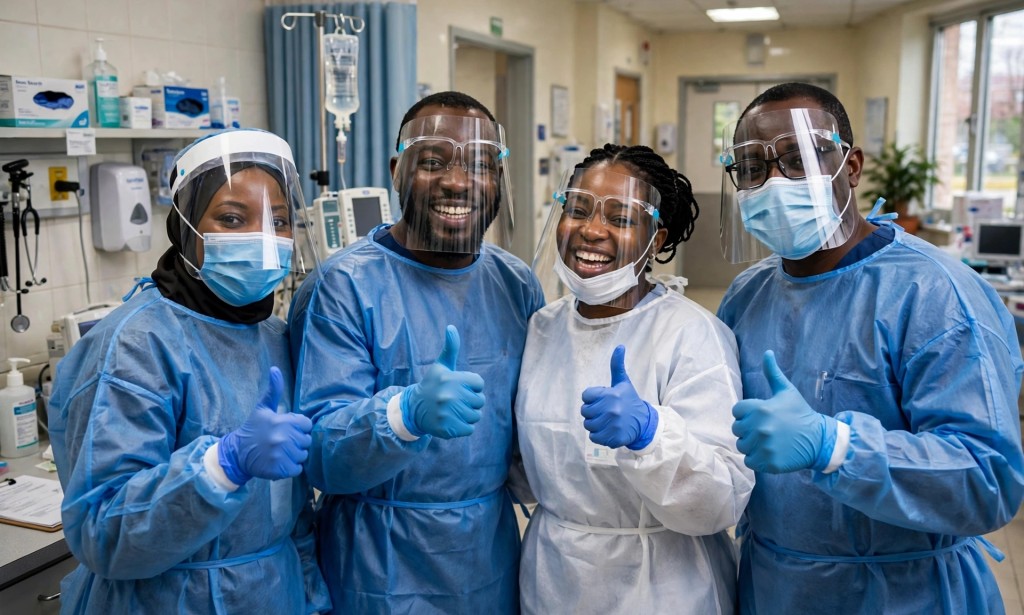
We appreciate the efforts of NCDC, healthcare workers, laboratory teams and other partners involved in the response.
Conclusion
This is encouraging news for Nigeria. All 62 people identified as contacts of the imported Ebola case have completed their 21-day monitoring period, and no secondary infection was recorded among them.
However, Nigerians should remember that completing contact monitoring is not the same as an official declaration that the outbreak is over. Continued vigilance, accurate information and cooperation with health authorities remain important.
What do you think about this development? Share your thoughts in the comments and share this update with your family and friends so they can stay informed.


You must be logged in to post a comment.