
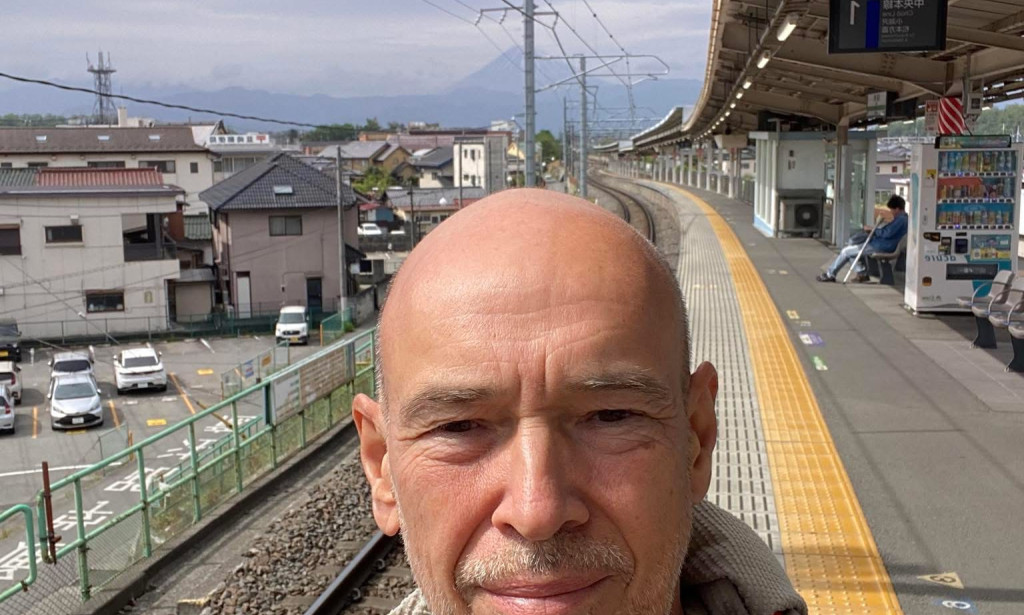
For months people have been asking me the same question: “Which clinic treated you in Japan?” The answer usually surprises them.
I understand why people ask. When you or someone you love is facing cancer, you naturally want a name, an address, and a direct way to get help. But Japan doesn’t work quite like that.
Many of the most innovative Japanese cancer treatments are not concentrated in large international hospitals with English-speaking departments. Instead, they are often developed and delivered by smaller private clinics led by highly experienced physicians.
The challenge is not the medicine. The challenge is access.
Most of these clinics were never designed to work directly with international patients. They often don’t have English-speaking staff, international coordinators, translators, or dedicated departments to review medical records from abroad.
There is also a cultural aspect.
Japanese doctors take enormous pride in precision and communication. If they feel they cannot communicate complex medical information perfectly in English, many prefer not to engage directly rather than risk misunderstanding.
As a result, a gap exists between world-class medical expertise and the international patients who are looking for it.
To solve this problem, several leading clinics have started working through a specialized international medical platform. This platform acts as an international department on behalf of multiple clinics. Its coordinators receive medical records, arrange translations into Japanese, prepare case summaries, identify the most appropriate physicians for each diagnosis, organize consultations, coordinate communication, and guide patients through the entire process.
What many people don’t realize is that this is exactly how I entered the Japanese medical system myself. I did not start with a clinic. I started with a coordinator.
The coordinator reviewed my case and connected me with the physician who became responsible for my treatment strategy. That physician then arranged different parts of my care through several facilities, depending on what was needed at each stage. Some treatments took place in private clinics. Others involved university hospitals. Some were in Tokyo.
Others were outside Tokyo.
The important point is that I was not being treated by a building. I was being treated by a doctor and a team following a carefully designed plan.
That is why I often cannot answer the question: “Which clinic should I contact?”
In many cases, the better question is:
“Which doctor is best suited for my particular diagnosis, and who can help me reach that doctor?”
Every cancer is different.
Every patient is different.
And every treatment plan is different.
I am not a doctor and I do not provide medical advice. I am simply sharing what I learned during my own journey. And one of the biggest lessons was this: Sometimes the most important thing is not finding the right clinic. It’s finding the right people who can guide you to the right doctor.

You must be logged in to post a comment.