
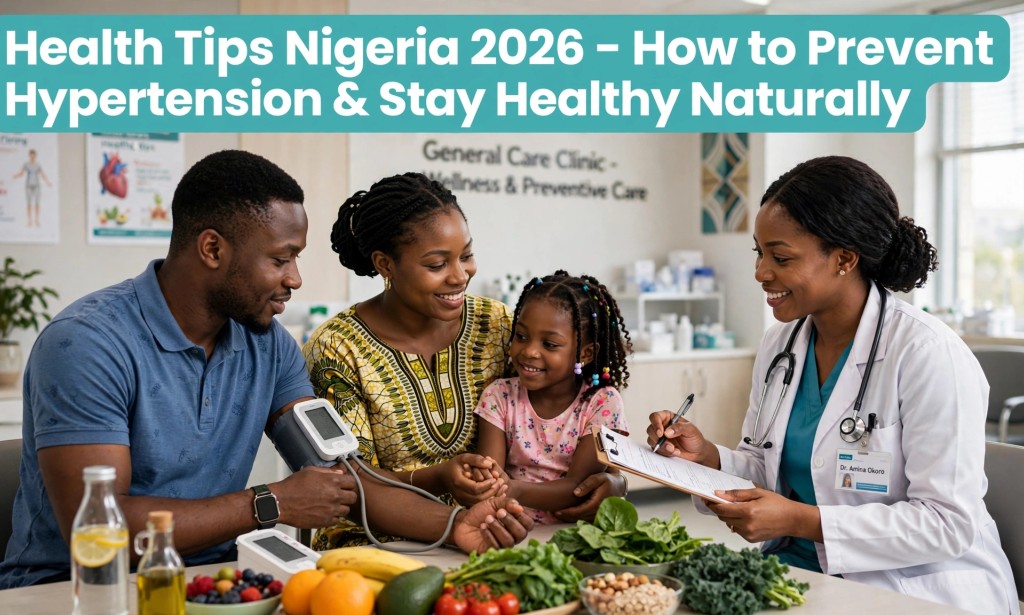
Nigeria is facing a silent health crisis in October 2026.
According to the Federal Ministry of Health and Social Welfare and the World Health Organization, non-communicable diseases like hypertension, diabetes, stroke, and heart disease now cause about 30% of all deaths in Nigeria.
Most people do not know they have it until it causes stroke or kidney failure.
Here is what you need to know.
Latest Data - Federal Government Report October 2026
- 14% of Nigerians live with hypertension (high blood pressure) - about 1 in 3 adults
- 8% live with diabetes - about 11 million Nigerians
- 25% carry sickle cell gene
- Only 20% of people with hypertension have it controlled
- Only 24.6% of people with diabetes know they have it, 22% are on treatment
- For diabetes, Nigeria had 55,000 deaths in 2024, up from 48,375 in 2021
The Coordinating Minister of Health, Professor Muhammad Pate, said NCDs are becoming the fastest-growing part of Nigeria's disease burden, even while malaria and tuberculosis continue.
Doctors at LUTH say: Many Nigerians walk the streets with blood pressure of 200/120 without knowing - that is a killer level.
Why Young Nigerians Are Now Getting Hypertension
It is no longer old people's sickness. Doctors now see teenagers with high blood pressure.
Main causes in Nigeria 2026:
1. Unhealthy diet - too much salt, maggi, sugary drinks like Coca-Cola, fast food
2. No exercise - sitting with phone all day, no walking
3. Stress and lack of sleep - Nigeria hardship, no light, traffic
4. Alcohol and smoking
5. Not checking blood pressure regularly
The Good News: You Can Prevent It
According to St. Nicholas Hospital Lagos and Federal Ministry of Health, many of these cases are preventable with early detection and lifestyle change.
7 Proven Ways to Prevent Hypertension and Diabetes Naturally
1. Check Your Numbers Monthly
Buy digital blood pressure monitor ₦15,000 to ₦25,000 on Jumia or check at pharmacy for ₦500. Normal BP is below 120/80. Check blood sugar too. Early detection saves you from stroke, heart failure, kidney disease that costs ₦20 to ₦40 million to treat.
2. Reduce Salt and Maggi
WHO says Nigerians eat too much salt. Stop adding extra salt to food already cooked. Reduce maggi from 3 cubes to 1. Avoid suya with too much salt, kilishi, and processed foods.
3. Stop Sugary Drinks
One bottle of soft drink has 9 cubes of sugar. Replace with water, zobo without sugar, or water with lemon. This alone reduces diabetes risk by 30%.
4. Walk 30 Minutes Daily
You do not need gym. Walk from bus stop to house, climb stairs, dance at home. 30 minutes daily 5 times a week lowers blood pressure naturally.
5. Eat More Real Food
- More: Ewedu, ugwu, spinach, garden egg, okra, beans, fish, avocado, banana
- Less: White rice daily, white bread, fried foods, shawarma with mayonnaise
- Best combination: 50% vegetables, 25% protein (fish, chicken, beans), 25% whole carbs (ofada rice, sweet potato)
6. Sleep 7 Hours
Nigerians average 5 hours sleep. Lack of sleep raises blood pressure and blood sugar. Turn off phone by 10pm, sleep in dark room.
7. Manage Stress
Stress is major driver. Practice 5 minutes deep breathing daily, talk to someone, pray or meditate, avoid too much bad news on social media.
When to See a Doctor Immediately - Red Flags
- Chest pain or pressure with shortness of breath
- Sudden severe headache, worst you ever had
- Blood pressure above 180/120
- Confusion, slurred speech, sudden weakness on one side - stroke sign, call emergency
- Blood sugar above 250 mg/dL
- Wound not healing after 2 weeks
- Rapid weight loss more than 5kg in one month
Do not ignore. Go to general hospital or primary health center near you. Federal Government says primary health centers now offer free BP and sugar checks under "Know Your Number, Control Your Number" campaign launched across all states.
Annual Checkup That Can Save Your Life
Doctors recommend yearly checkup that includes:
- Vital signs, blood pressure, BMI
- Blood sugar (fasting glucose)
- Cholesterol
- Kidney function
- Eye and heart check for those above 40
Cost at private hospital: ₦20,000 to ₦50,000. At government hospital: ₦5,000 to ₦10,000. Much cheaper than treating stroke.
Conclusion
Hypertension and diabetes are no longer for old people only. With 1 in 3 Nigerian adults affected and NCDs causing 30% of deaths, prevention is cheaper than cure.
Check your blood pressure this week. Reduce salt. Walk more. Drink water, not soda.
Your health is your first wealth.
Share this with family - many people do not know their numbers.
Disclaimer: This article is for information only, based on Federal Ministry of Health data October 2026, WHO, St. Nicholas Hospital, Frontiers in Public Health. Not medical advice. Consult healthcare professional for diagnosis and treatment. If you experience red flag symptoms, seek emergency care immediately.


You must be logged in to post a comment.