
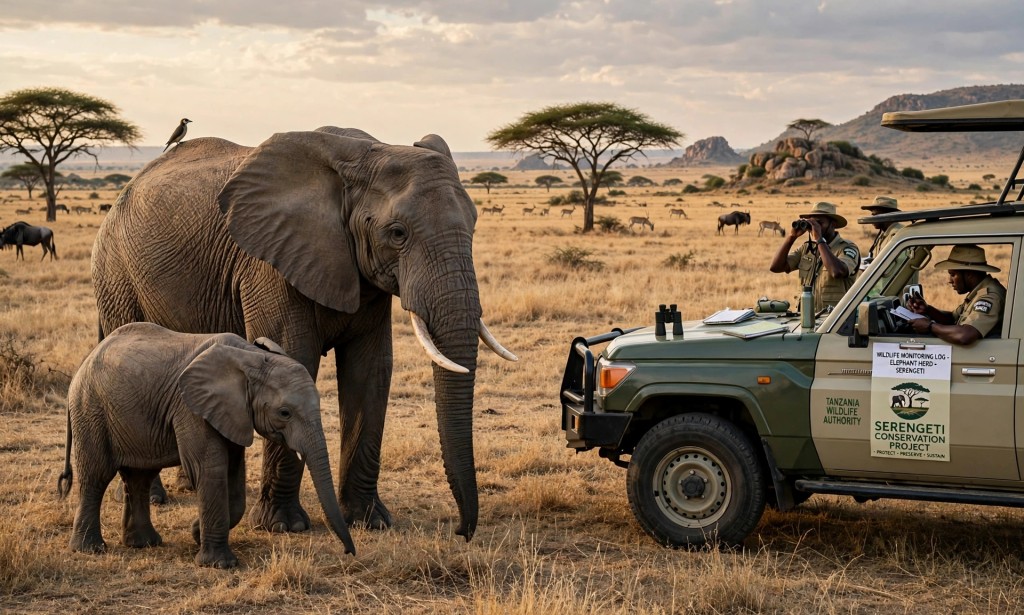
Tanzania has announced that its elephant population in the Serengeti ecosystem has doubled from 6,000 in 2016 to over 12,500 in October 2026, marking a major conservation win.
The Ministry of Natural Resources said the increase is due to strict anti-poaching patrols, community ranger programs and drone surveillance. Poaching has dropped by 80 percent in ten years.
Tanzania lost 60 percent of its elephants between 2009 and 2014 to ivory poaching. Former President Magufuli launched a crackdown, jailing poachers and ivory traders. President Samia Suluhu Hassan expanded community conservancies, giving locals income from tourism.
In Serengeti and Nyerere National Park, local communities now earn 30 percent of park fees, reducing support for poachers. Over 1,200 new rangers have been recruited, many from Maasai communities.
International conservation groups WWF and Wildlife Conservation Society praised Tanzania, calling it a model for Africa. Elephant numbers are also rising in Kenya and Rwanda.
Tourism is booming, with Tanzania earning $3.5 billion from safaris in 2025. The government plans to translocate 100 elephants to restore populations in Akagera-like parks in Uganda and Chad. Experts say stable elephant populations help ecosystems and climate.


You must be logged in to post a comment.