
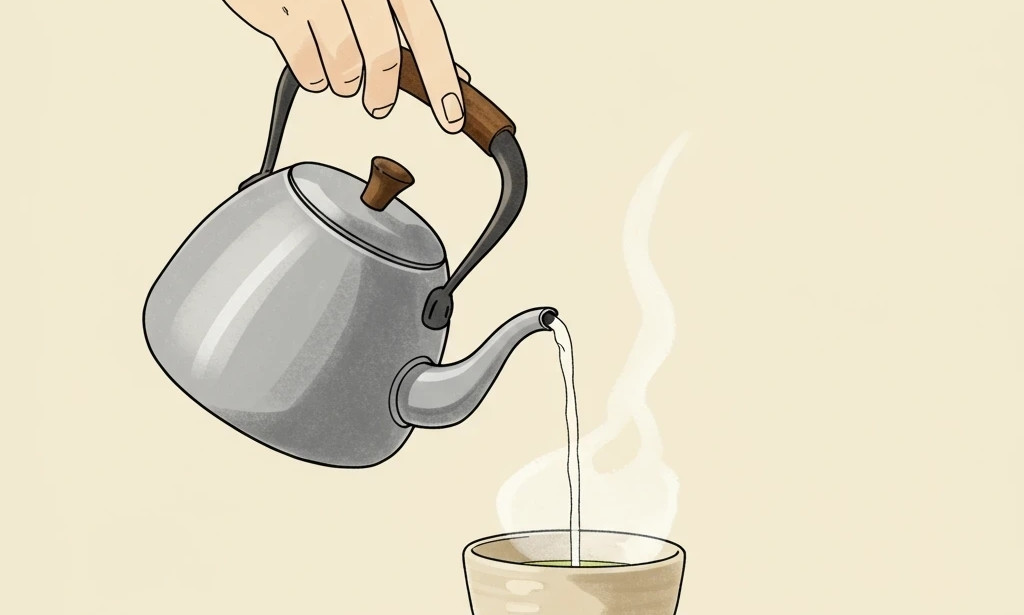
A Glass of Warm Water Every Morning?
The Viral Health Habit Doctors Say Is Being Dangerously Misunderstood
Introduction
Every morning, millions of people around the world start their day with a simple ritual: a glass of warm water. Social media is flooded with claims that this habit can detox your body, melt fat, improve digestion, and even prevent chronic diseases.
It sounds almost too good to be true—and in many ways, it is.
While drinking water is undeniably essential for health, the growing hype around warm water specifically has led to widespread misunderstandings. Some claims are exaggerated. Others are completely false. And a few might even lead to unhealthy habits if followed blindly.
In this article, we’ll break down the science, separate myths from facts, and explain what doctors actually say about drinking warm water every morning.
Why This Habit Became So Popular
The Rise of “Morning Health Rituals”
The idea of starting your day with a wellness habit is appealing. It creates a sense of discipline and control. Warm water, in particular, became popular because it’s:
Easy to follow
Cheap and accessible
Rooted in traditional practices
Widely promoted by influencers
Cultural and Traditional Influence
In many traditional systems of health, warm water has long been associated with digestion and internal balance. Over time, these ideas merged with modern wellness trends, often without scientific verification.
What Actually Happens When You Drink Water in the Morning
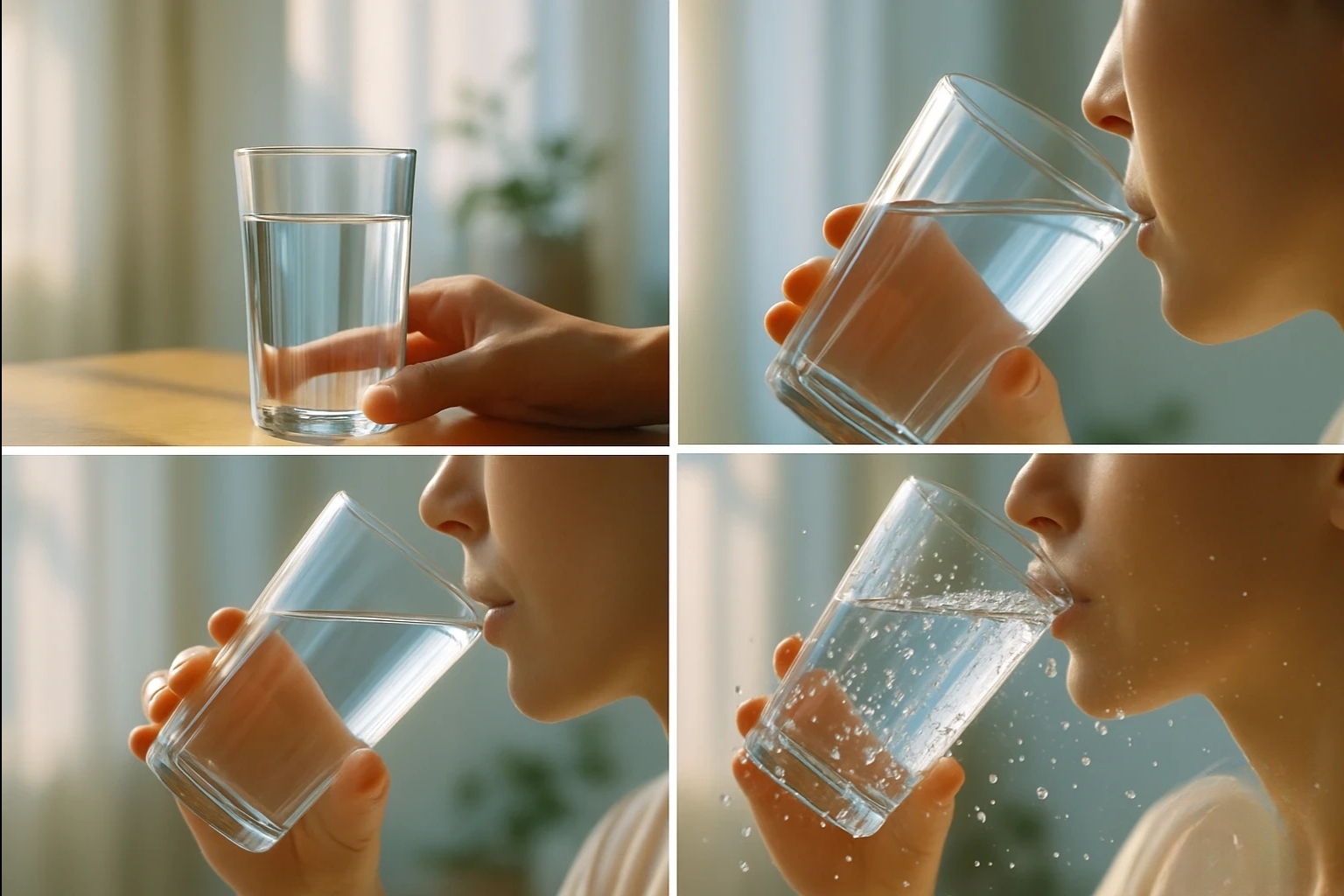
Hydration After Sleep
After 6–8 hours of sleep, your body is naturally dehydrated.
Drinking water—warm or cold—helps:
Rehydrate tissues
Support brain function
Improve circulation
Kickstart metabolism
The Temperature Factor
Here’s where things get misunderstood.
The temperature of water has only a minor effect on the body compared to the act of hydration itself.
Warm water may feel soothing
Cold water may feel refreshing
Both hydrate equally effectively
Common Claims About Warm Water (And the Truth Behind Them)
Claim 1: Warm Water Detoxes Your Body
Reality: Your Body Already Detoxes Itself
Your liver and kidneys are responsible for detoxification. Water supports these organs—but temperature doesn’t enhance detoxification.
Truth:
Warm water does not “flush toxins” better than cold water
Hydration matters, not heat
Claim 2: It Helps You Lose Weight Faster
Reality: The Effect Is Minimal
Some believe warm water boosts metabolism and burns fat.
What science says:
Drinking water can slightly increase metabolism
The temperature has little impact on fat loss
Important: Weight loss depends on:
Calorie intake
Physical activity
Hormonal balance
Not water temperature.
Claim 3: Warm Water Improves Digestion
Reality: Slight Benefit, But Not a Miracle
Warm water may help relax the digestive tract, which can:
Ease mild bloating
Support smoother digestion
However:
It does not cure digestive disorders
It won’t fix chronic gut issues
Claim 4: It Clears Skin and Prevents Acne
Reality: Indirect Benefits Only
Hydration supports skin health, but:
Warm water doesn’t directly clear acne
Skin issues are influenced by hormones, diet, and genetics
Claim 5: It Prevents Diseases
Reality: No Direct Evidence
There is no scientific proof that drinking warm water prevents:
Heart disease
Cancer
Diabetes
Healthy lifestyle habits matter far more.
When Warm Water Can Actually Help
Despite the myths, warm water is not useless. It does have practical benefits.
1. Gentle Start for Sensitive Stomachs
Warm water can feel easier on the stomach, especially for people who:
Experience morning nausea
Have acid sensitivity
2. May Relieve Constipation
Drinking water—especially in the morning—can:
Stimulate bowel movement
Support gut motility
Warm water may enhance this effect slightly.
3. Helps Relax the Body
Warm liquids can:
Relax muscles
Improve blood flow
Create a calming effect
This can be helpful for stress management.
4. Supports Throat Comfort
Warm water can:
Soothe throat irritation
Help with mild congestion
When This Habit Can Be Misleading or Harmful
1. Overestimating Its Benefits
The biggest danger is not the water itself—it’s the false belief that it’s a cure-all.
This can lead people to:
Ignore real health problems
Delay medical treatment
Rely on ineffective routines
2. Drinking Excessively Hot Water
Very hot water can:
Damage the lining of your throat
Cause burns
Irritate the digestive system
Safe tip:
Always drink comfortably warm—not hot.
3. Replacing More Important Habits
Some people focus on warm water while neglecting:
Balanced nutrition
Exercise
Sleep
Stress management
No single habit can replace these essentials.
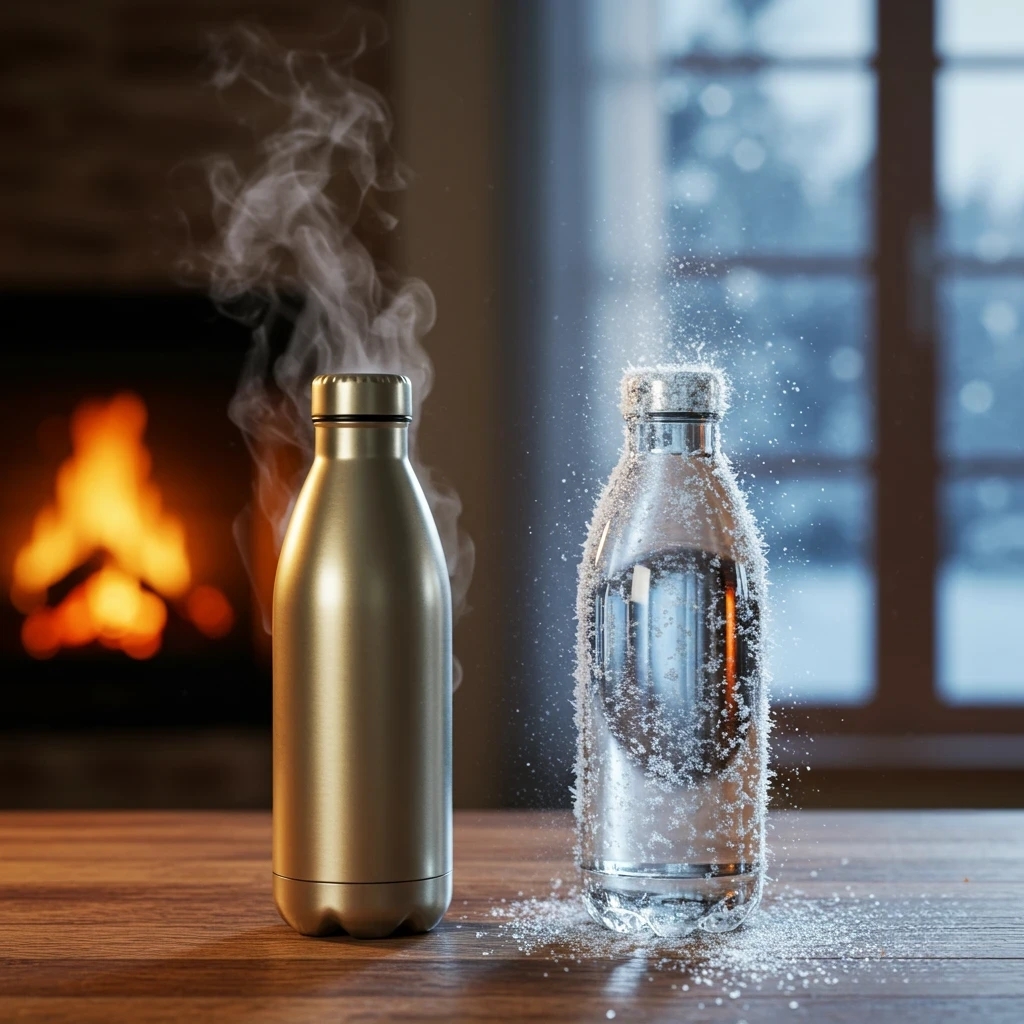
Warm vs Cold Water: Which Is Better?
Key Differences
FactorWarm WaterCold WaterHydrationEqualEqualComfortSoothingRefreshingDigestionSlightly supportiveNeutralEnergy BoostMildStronger (alertness)
Bottom Line
Choose what feels best for your body
There is no universally “superior” option
The Psychological Effect of Morning Rituals
Why It Feels So Powerful
Even if warm water isn’t magical, the ritual itself can have real benefits:
Builds discipline
Creates a positive mindset
Reduces stress
Improves consistency in healthy habits
Habit Stacking Advantage
Drinking warm water can act as a trigger for other healthy actions:
Stretching
Meditation
Healthy breakfast
Planning your day
What Doctors Actually Recommend
Focus on Hydration, Not Temperature
Most health professionals agree on one thing:
Drinking water in the morning is good—but the temperature is a personal preference.
Key Medical Advice
Drink water soon after waking up
Avoid extremely hot liquids
Maintain hydration throughout the day
Don’t rely on water for detox or weight loss
How to Do It the Right Way
Simple Morning Hydration Routine
Step-by-step:
Wake up and drink a glass of water
Choose warm or room temperature
Sip slowly
Avoid adding too many “miracle” ingredients
Follow with a balanced breakfast
Optional Additions (With Realistic Expectations)
You can add:
Lemon (for taste, not detox)
Honey (in moderation)
But remember:
These do not transform the drink into a cure
Signs You’re Relying on This Habit Too Much
Watch out for these red flags:
Believing it can replace medical treatment
Expecting rapid weight loss
Ignoring persistent health symptoms
Following extreme versions of the trend
If you notice these, it’s time to reassess.
The Bigger Picture: What Actually Improves Health
Core Habits That Matter More
Instead of focusing only on warm water, prioritize:
Balanced diet
Regular physical activity
Quality sleep
Stress management
Routine medical checkups
The Truth in One Sentence
Warm water is helpful—but not powerful enough to change your health on its own.
Conclusion
Drinking a glass of warm water every morning isn’t dangerous—but misunderstanding it can be.
It’s a simple, healthy habit that supports hydration and may offer minor comfort benefits. However, the viral claims surrounding it have been blown far out of proportion.
Your body doesn’t need warm water to detox. It doesn’t melt fat. And it won’t prevent disease.
What it can do is help you start your day with intention—and that, in itself, has value.
The key is balance: appreciate the habit, but don’t overestimate it.
Frequently Asked Questions (FAQs)
1. Is warm water better than cold water in the morning?
No. Both are equally effective for hydration. Choose based on comfort.
2. Can warm water help with weight loss?
Only indirectly. It may support hydration, but it does not burn fat significantly.
3. Does warm water detox the body?
No. Your liver and kidneys handle detoxification naturally.
4. Is it safe to drink warm water every day?
Yes, as long as it’s not too hot.
5. Can I add lemon or honey?
Yes, but mainly for taste—not for dramatic health benefits.
6. What’s the best morning health habit?
A combination of:
Hydration
Movement
Balanced nutrition
Consistent sleep

You must be logged in to post a comment.