

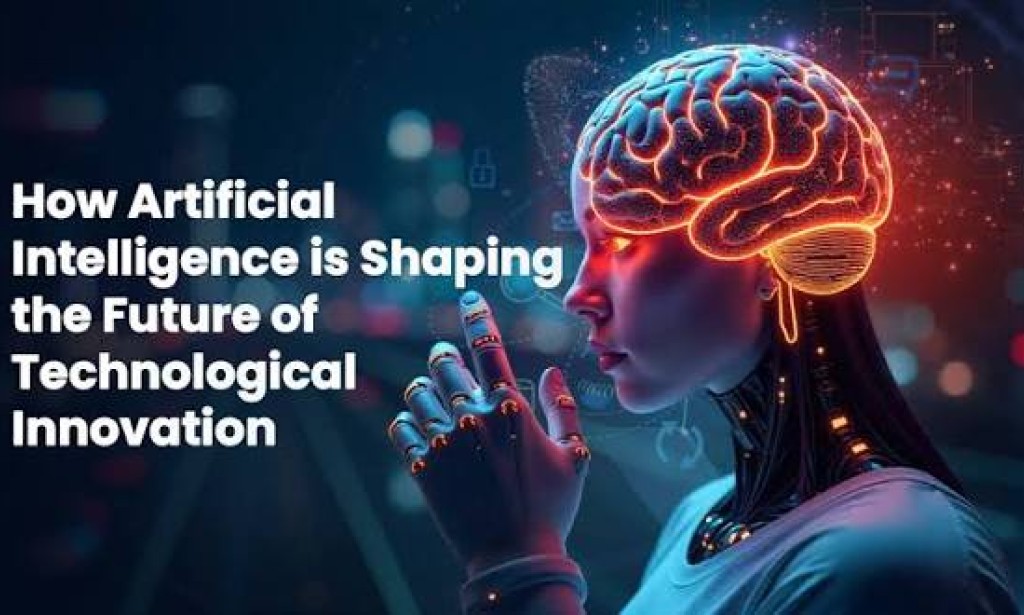
Artificial Intelligence (AI) is no longer a concept confined to science fiction or futuristic imagination; it has become one of the most powerful forces driving change in the modern world. From healthcare and education to agriculture, communication, transportation, and scientific research, AI is transforming how humans live, work, think, and solve problems. As technology continues to advance, Artificial Intelligence is shaping a future filled with remarkable opportunities, groundbreaking discoveries, and important questions about humanity.
One of the most significant contributions of AI is its impact on science and medical research. Scientists can now use AI-powered systems to analyse enormous amounts of data, identify complex patterns, predict outcomes, and accelerate discoveries. In healthcare, AI assists doctors in detecting diseases, interpreting medical images, developing treatment plans, and discovering potential new medicines. These innovations have the potential to improve healthcare delivery, save lives, and make quality medical services more accessible to people around the world.
In education, Artificial Intelligence is creating new possibilities for learning. Intelligent learning platforms can adapt to students' individual needs, provide personalised lessons, and make educational resources more accessible. Students can explore complex subjects, develop critical thinking skills, and acquire knowledge beyond the traditional classroom environment. Similarly, teachers can use AI tools to improve lesson planning, assess students' progress, and create more engaging learning experiences.
AI is also transforming industries and economies. In agriculture, it helps farmers monitor crops, predict weather conditions, identify plant diseases, and improve food production. In business, AI enhances productivity, supports decision-making, automates repetitive tasks, and encourages innovation. These developments can create new industries, generate employment opportunities, and contribute to economic growth.
However, the rapid development of Artificial Intelligence also presents challenges that humanity must address. Concerns about job displacement, data privacy, cybersecurity, misinformation, algorithmic bias, and the misuse of technology cannot be ignored. As AI systems become more powerful, society must establish responsible policies, ethical guidelines, and effective regulations to ensure that technological progress benefits everyone.
It is important to remember that Artificial Intelligence should complement human intelligence, not replace the values that make us human. Creativity, empathy, compassion, moral judgment, and emotional understanding remain essential qualities that technology cannot fully replicate. The future should not be about machines controlling humanity but about humans using intelligent technologies to build a better world.
Ultimately, the future of Artificial Intelligence depends on the choices we make today. Governments, scientists, educators, businesses, and individuals must work together to ensure that AI is developed and used responsibly, inclusively, and ethically.
Artificial Intelligence is more than a technological revolution; it is an opportunity to redefine what humanity can achieve. If guided by wisdom, responsibility, and compassion, AI can become a powerful partner in solving global challenges, advancing scientific knowledge, improving human well-being, and creating a brighter future for generations to come.
The future is intelligent, but its direction must remain human.
#ArtificialIntelligence #FutureOfScience #HumanityAndTechnology #DigitalTransformation #Innovation #MachineLearning #FutureOfHumanity #ScienceAndTechnology #ResponsibleAI #TechnologicalAdvancement


You must be logged in to post a comment.