
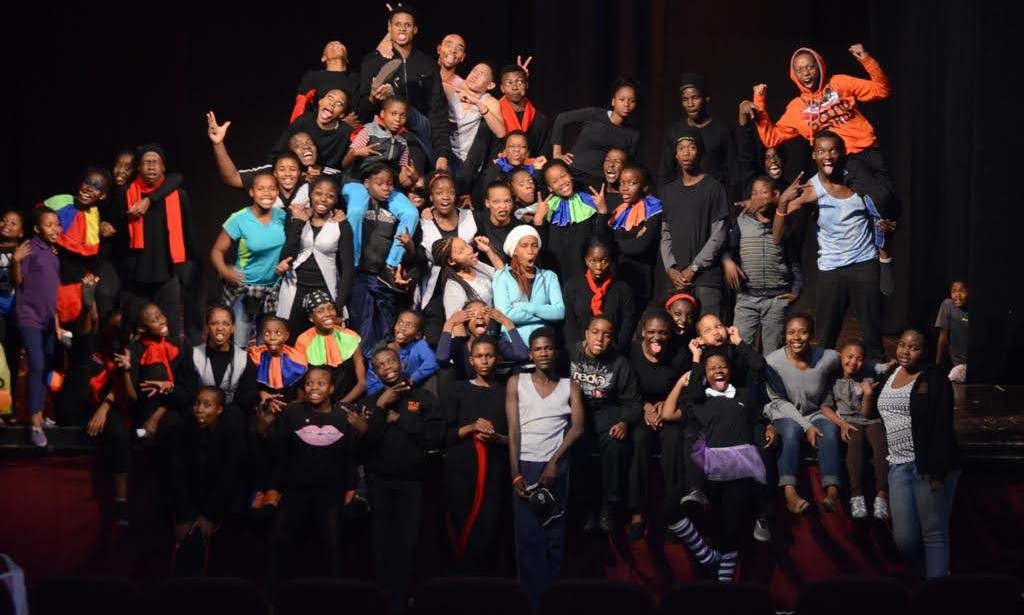
From Cardboard to Cashflow: How Teaching Dance in Kasi Creates Real Jobs*
Everyone thinks dance is just for fun. Just for competitions. Just for kids who have nothing else to do.
In Soshanguve, we know better. Dance is employment.
I started with a piece of cardboard, a borrowed speaker, and 8 kids who kept coming even when it rained. Today, that same class feeds three families. Here is how teaching dance in our communities is quietly becoming one of the most powerful job creators we have — and why we need to support it.
*The Problem We Don't Talk About*
The official youth unemployment rate in South Africa is over 60%. In Gauteng townships, it's worse. A matric certificate without a skill is just paper. NYDA funding is hard to get, and many youth programs never reach Block L, Ext 12, or Mabopane.
But every block has dancers. Every school has a kid who can do an air chair. Every church has mamas who want to move.
What if we turned that existing talent into an income?
*1. The Classroom That Pays You*
You don't need a fancy studio. You need a space and a system.
In community dance, the business model is simple: low price, high volume.
If you charge R80 per month — less than data for TikTok — and you have 25 learners, that is R2,000 per month from one group. Teach two groups — after-school at 3pm for kids, and 5pm for teens — that's R4,000. Teach at two schools per week, where the SGB pays you R600 per session to teach PE dance, that's another R4,800 a month.
Suddenly, one dancer with no formal job is earning R8,000+ doing what he loves.
I know a coach in Winterveld who teaches gumboot and pantsula at 3 primary schools. He charges each school R500 per week. He uses his old Toyota to travel. That's R6,000 a month, and the schools love him because kids behave better after dance class.
This is not theory. It is happening.
*2. One Crew, Five Jobs: The Agency Model*
This is where employment multiplies.
One dancer is a freelancer. A crew of five is a company.
When you have a crew, you can sell performances:
- *Weddings and Lobolas:* Families pay R2,500 - R5,000 for a 10-minute vibrant performance to welcome the bride.
- *Store Openings:* Shoprite, Boxer, and local businesses in Soshanguve Crossing pay R1,500 - R3,500 for dancers to attract crowds.
- *Matric Dances:* This is big money. Matric learners pay R300-R500 each for choreography. One school with 20 learners = R6,000 - R10,000 for one dance.
- *Political and Municipal Events:* Municipalities have budgets for entertainment during Youth Day, Heritage Day. Register on their supplier database.
Divide that money among 5 dancers, a DJ, and a manager. You just created 7 part-time jobs from one booking.
*3. The Phone in Your Pocket is a Studio*
You don't need SABC to be famous. You need WhatsApp and TikTok.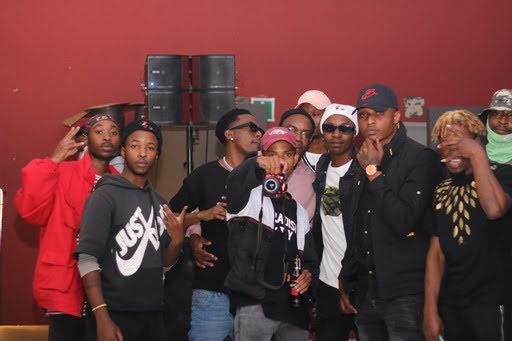
Your rehearsals are content. Film them.
- A 30-second tutorial: "How to do a baby freeze in 3 steps" gets 50k views on TikTok. TikTok Creator Rewards and Facebook Reels pay R500-R3,000 per month once you are consistent.
- Film student transformations: "Thando Day 1 vs Day 30." Parents share it. New parents message: "Where are you teaching? I want to register my child."
- Sell WhatsApp classes: Create a 4-week "Beginner Breakdance for Kids" course. Charge R199. Send 3 videos per week. 20 people buying = R3,980 without leaving home.
In Limpopo, a 19-year-old amapiano dancer made R12,000 in one month selling her choreography classes on WhatsApp. No studio needed.
*4. How Dance Fights Drugs and Creates a Real Economy*
This is what donors and government want to hear.
When a kid is in dance class from 3pm to 5pm, he is not in the nyaope house. When a 22-year-old is a dance coach earning R3,000, he is not standing at the corner waiting for piece jobs.
This is what we call the *Social Employment Model:*
Train 5 senior dancers as coaches. Give each a block: Ext 6, Ext 10, Block F. They each start a class. You register as an NPO (it costs R0 with the Department of Social Development). You become the umbrella. You apply for funding from the Department of Sports, Arts and Culture, NYDA, and local businesses. They give you R30,000 to run a 3-month program. You use it to pay stipends (R2,000 per coach), buy a sound system, and print t-shirts.
Now you have:
- 5 employed youth coaches
- 100+ kids kept busy and off drugs
- A self-sustaining model — after 3 months, student fees cover the costs
One project, five jobs, 100 lives changed.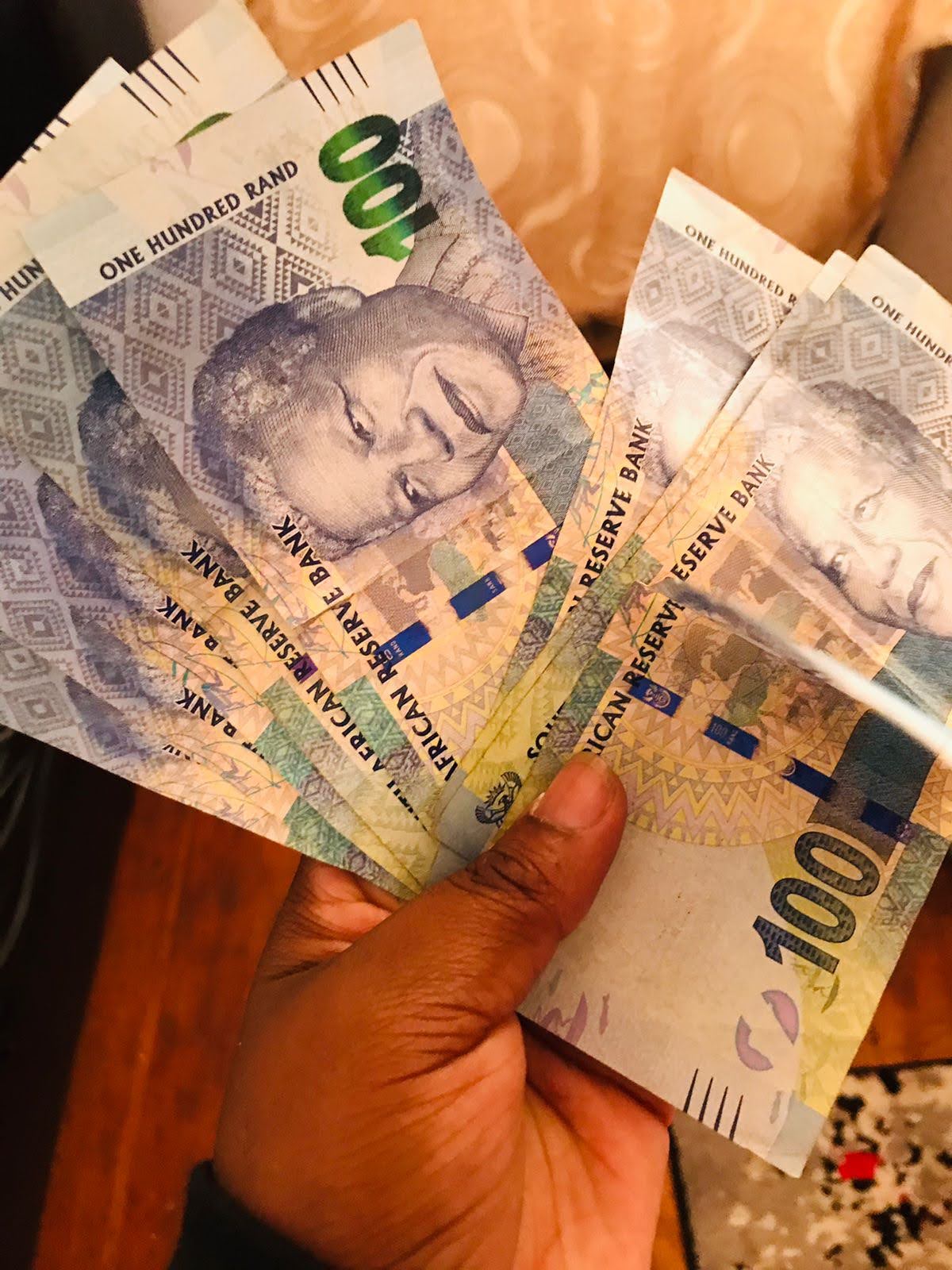
*What We Need to Make It Bigger*
We don't need millions. We need basics:
- A community hall that doesn't charge R500 per hour
- One decent speaker and extension
- 20 second-hand mats so kids don't get hurt on cement
- A small stipend for 2-3 coaches for 3 months to prove the model
If you are a parent, pay for your child's class. If you are a school principal, hire a local dancer instead of an outside company. If you are a business, sponsor a crew's uniform — your logo will be on every video they post.
*From Dancer to Employer*
Teaching dance in the community does three things at once: it gives kids discipline, it gives youth a job, and it gives the community pride.
We always say "we need jobs" — but jobs don't always come from a factory. Sometimes they come from cardboard, from rhythm, from a crew that decided to turn their passion into a payroll.
In Soshanguve, we are not waiting for employment. We are dancing our way into..world domination.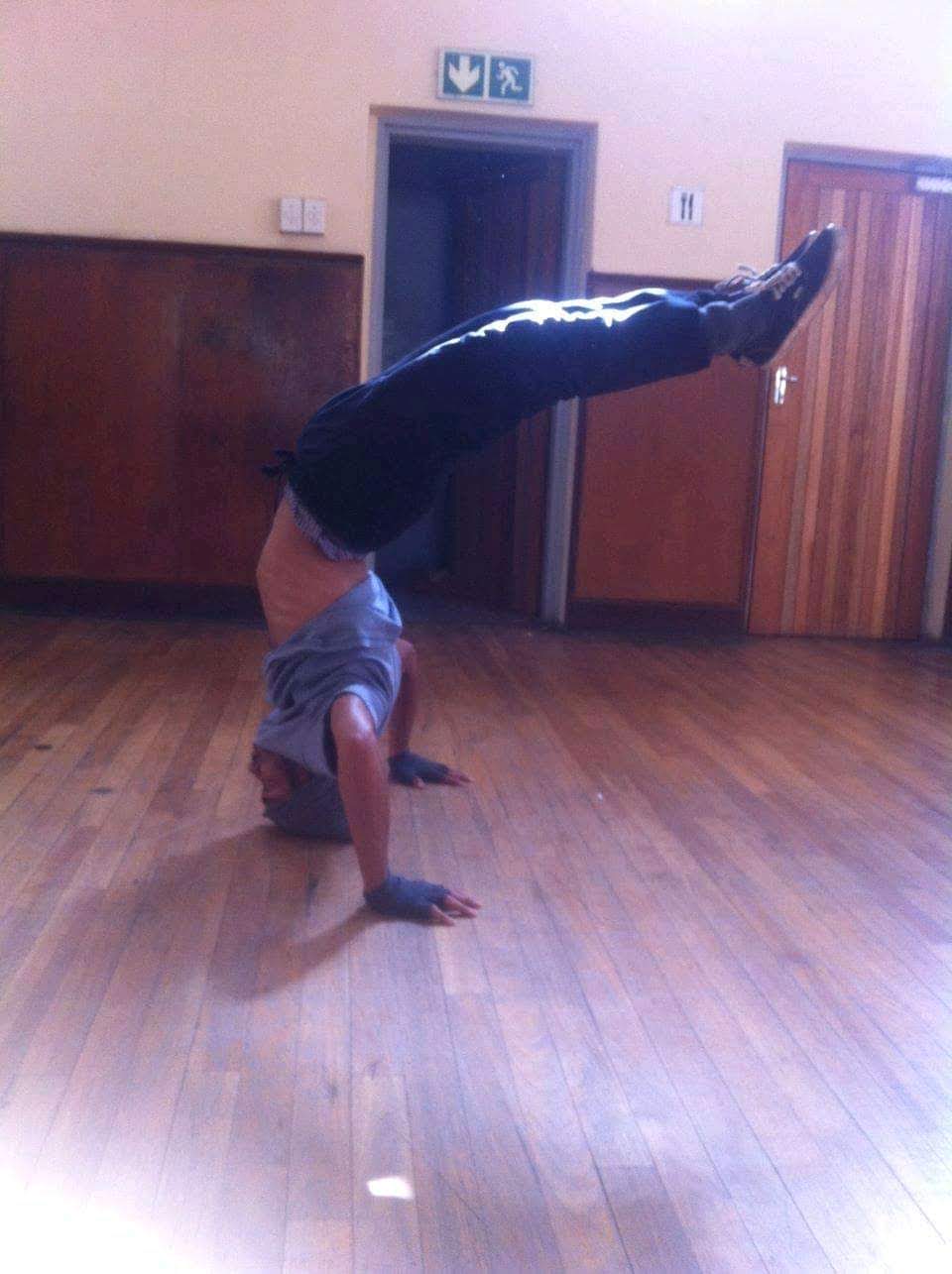

You must be logged in to post a comment.