
Introduction
What makes the game interesting is the way it combines rhythm, reaction, and visual design. Every jump can feel like a tiny puzzle. You must watch the level, listen to the music, and react at exactly the right moment. A successful run is satisfying because it comes from practice rather than luck.
You can experienceGeometry Dash as a quick challenge during a short break or as a longer skill-building game. Either way, the key is to enjoy the process instead of becoming frustrated by repeated attempts.
Gameplay: More Than Just Jumping
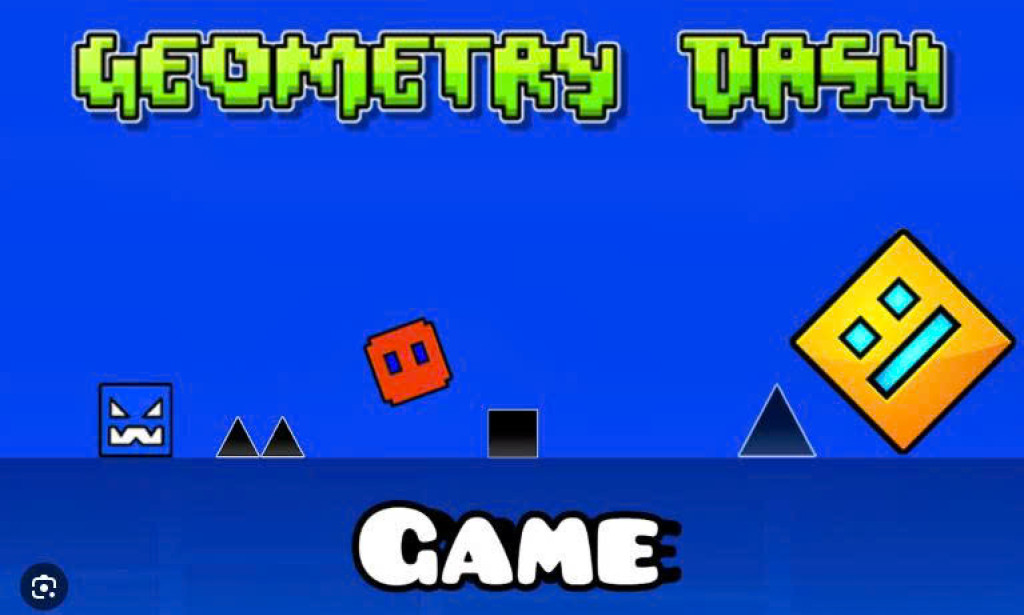
At first glance, the gameplay appears very straightforward. Your character travels from left to right, and you press a button to jump. However, the level design quickly introduces new challenges. Some platforms are placed close together, while others require you to jump over several hazards in one movement.
Timing is the most important part. Pressing too early may send your character into a ceiling or obstacle. Pressing too late can cause it to hit a spike. Since the character continues moving automatically, there is little time to pause and think. You need to build a sense of rhythm and learn to anticipate what is coming next.
The music plays an important role in this experience. Many obstacles are arranged to match the beat, so the soundtrack can help you predict when to jump. This does not mean every jump follows the music perfectly, but listening carefully often makes difficult sections feel more natural.
As you progress, the game introduces different movement modes. Portals may change the character’s speed, gravity, or form. In one section, you might control a cube that jumps normally. In another, you may guide a ship through the air by holding and releasing the control button. These changes keep the gameplay fresh and require you to adjust your habits.
The visual style also adds to the experience. Bright colors, flashing backgrounds, and moving platforms create a strong sense of motion. Although the screen can become busy, the best levels use visual patterns to guide your attention. With practice, you begin to recognize signs that a jump or change in movement is approaching.
Tips for Better Runs
The first useful tip is to accept failure as part of the game. You will probably fail many times, especially when learning a new level. Each failure shows you something about the course. Perhaps you jumped too early, missed a platform, or reacted incorrectly to a portal. Treating these moments as information makes it easier to improve.
Practice Mode is especially helpful. It allows you to place checkpoints and study difficult sections without restarting the entire level each time. Use it to break a challenging course into smaller parts. Practice one group of jumps until it feels comfortable, then move on to the next section.
It is also useful to learn the level’s patterns. Instead of focusing only on the character, look slightly ahead. Your goal is to notice upcoming spikes, platforms, and portals before you reach them. This gives your brain more time to prepare a response.
Try to keep your inputs controlled. New players sometimes tap repeatedly when they feel nervous. This can make the character jump at the wrong times. A calm, deliberate input is usually more effective than a frantic one. Short sections often require one precise press rather than several quick ones.
Sound can help, but do not depend on it completely. If you find the music distracting, lower the volume and concentrate on the visuals. If the level’s rhythm is clear, listening can improve your timing. The best approach depends on your personal playing style.
Your choice of device can also affect performance. A responsive keyboard, mouse, or touchscreen makes precise timing easier. If the game feels delayed, check your controls and display settings. Even a small delay can make difficult jumps feel unfair.
Finally, take breaks. Repeating the same section for a long time can make your reactions slower and your decisions less accurate. Walking away for a few minutes often helps. When you return, a section that seemed impossible may suddenly feel more manageable.
Conclusion
Geometry Dash turns a simple jumping mechanic into a complete rhythm-based challenge. Its appeal comes from the combination of music, movement, colorful design, and demanding timing. Every level asks you to observe carefully, react quickly, and learn from mistakes.
The most enjoyable way to play is to focus on gradual progress. You do not need to complete a difficult level immediately. Learn its patterns, use Practice Mode, and give yourself time to develop better reactions. Whether you play for a few minutes or spend an evening mastering one course, each successful jump adds to the experience.
A geometry jump may look simple on the screen, but completing one requires patience and concentration. That balance between quick action and careful practice is what makes Geometry Dash such an engaging game to play and experience.

You must be logged in to post a comment.