

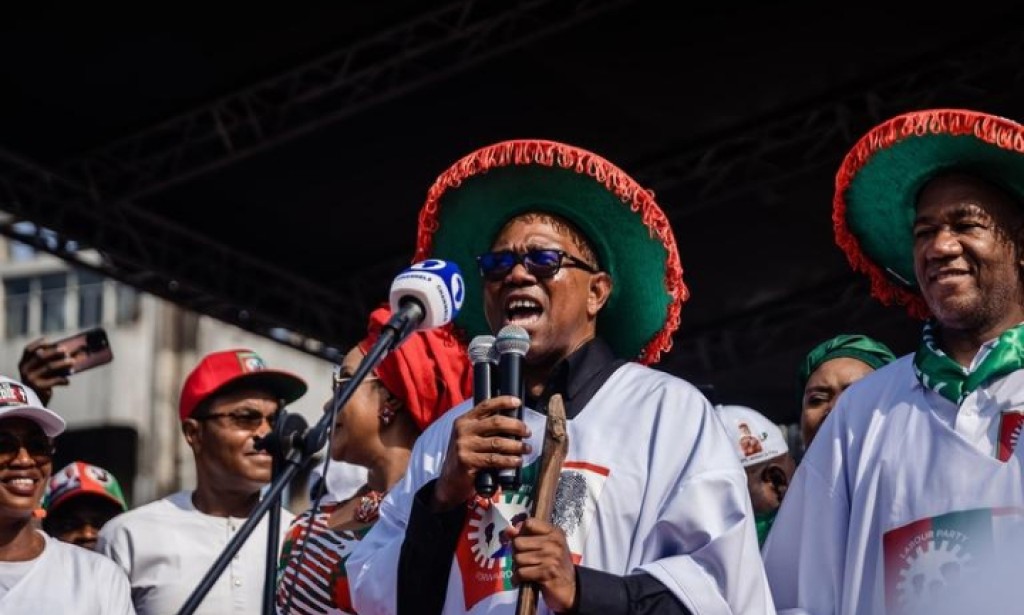
Peter Obi and the 2027 Presidential Election: Can He Turn His Support Into Victory?
Nigeria's 2027 presidential election is attracting considerable attention, and one name continues to generate discussion across the country: Peter Gregory Obi.
Since the 2023 presidential election, Obi has remained a prominent voice in Nigerian politics. His supporters believe he represents a different approach to leadership, while critics question whether his political movement can build the nationwide structures required to secure the presidency.
As another election approaches, one question continues to dominate conversations:
Can Peter Obi turn his popularity into an electoral victory in 2027?
Nobody can honestly provide a guaranteed answer before Nigerians cast their votes and the results are declared. However, there are several important factors worth examining.
Peter Obi: Why Is His Political Movement Still Relevant?
Peter Obi became one of the most discussed political figures during the 2023 presidential election.
Running under the Labour Party, he attracted considerable support, particularly among young voters and Nigerians seeking changes in the country's political leadership.
His campaign emphasised accountability, public-sector efficiency, economic production, and responsible management of public resources.
Although he did not win the 2023 election, his performance demonstrated that a candidate outside the traditional dominance of the two major political parties could attract significant nationwide attention.
That political momentum remains an important part of the discussion surrounding 2027.
The 2027 Presidential Contest
The 2027 election is expected to feature several political figures with different backgrounds, supporters, and campaign strategies.
Among the major names are:
- Peter Obi, former governor of Anambra State.
- Bola Ahmed Tinubu, Nigeria's incumbent president.
- Atiku Abubakar, former vice-president of Nigeria.
- Other candidates representing different political parties.
INEC's published candidate list, reported by Channels Television in September 2026, includes Peter Obi among the presidential candidates. The published list identifies him as the candidate of the Nigeria Democratic Congress, with Rabiu Musa Kwankwaso as his running mate.
This means the political conversation is not simply about personal popularity. Party organisation, alliances, campaign policies, and the ability to reach voters across Nigeria will also matter.
Five Factors That Could Shape Peter Obi's Chances
1. Support Among Young Nigerians
One of Obi's most visible political strengths is the enthusiasm he has attracted among many young Nigerians.
Young voters are interested in issues such as employment, education, economic opportunities, security, and the future of the country.
However, online enthusiasm must translate into actual participation at polling units. Social media discussions and large rallies do not automatically represent the final voting numbers.
2. Political Alliances
Political alliances can influence the direction of an election.
Parties and candidates often work together to expand their support beyond their traditional political bases.
The reported Obi–Kwankwaso ticket is therefore an important development to examine. Its political impact will depend on how effectively the candidates and their supporters work together across different regions.
3. Party Organisation
A presidential campaign requires more than a popular candidate.
Political parties need organised structures, credible representatives, effective communication, and supporters who can participate in the electoral process.
The ability to coordinate campaigns across Nigeria's states and local government areas will be an important factor.
4. Economic and Security Concerns
Nigerians will also be considering the country's major challenges.
The cost of living, employment opportunities, inflation, insecurity, electricity, education, and healthcare are likely to remain important campaign issues.
Voters will want to understand what each candidate proposes and how those proposals could be implemented.
For Obi, the ability to communicate clear, practical and measurable policies will be an important part of the campaign.
5. Electoral Credibility and Voter Participation
The credibility of the election process will be important to all candidates and voters.
INEC, political parties, security agencies, observers, and citizens all have responsibilities in ensuring a peaceful and credible election.
Voter registration, participation, transparent procedures, and confidence in the counting and announcement of results will matter throughout the process.
What Could Work Against Peter Obi?
It is equally important to examine the challenges facing his political ambitions.
First, strong public enthusiasm does not necessarily guarantee a majority of votes across the country.
Second, political disagreements and divisions among opposition groups can affect their ability to coordinate.
Third, Obi will need to demonstrate that his policies can address the concerns of Nigerians from different regions, backgrounds, and economic circumstances.
Finally, the performance of other candidates and their political organisations will also influence the overall contest.
These are considerations that should be examined rather than ignored.
So, Who Will Win the 2027 Presidential Election?
This is the question many Nigerians want answered.
At this stage, declaring Peter Obi, Bola Tinubu, Atiku Abubakar, or any other candidate the certain winner would be speculation.
The outcome will depend on the votes Nigerians cast, the performance of the candidates' campaigns, political alliances, voter participation, and the credibility of the electoral process.
Peter Obi has an established political following and a significant opportunity to present his ideas to the electorate. Whether that support will be enough to secure victory remains to be determined.
Ultimately, the decision belongs to Nigerian voters.
Final Thoughts
The 2027 presidential election will be an important moment in Nigeria's democratic journey.
Peter Obi's political journey, his supporters, his proposed policies, and the challenges facing his campaign will continue to attract public attention.
But beyond personalities and political arguments, Nigerians deserve serious conversations about leadership, accountability, economic development, security, and the future of the country.
The most important question should not only be who becomes president, but also what the next president will do to improve the lives of ordinary Nigerians.
The election has yet to be decided. The voters will have the final say.
Join the Conversation
What do you think will be the biggest factor in determining Nigeria's next president: political alliances, economic policies, youth participation, or party structures?
Share your thoughts respectfully in the comments.
If you found this article informative, please like it, share it with others, and follow me for more political analysis and current affairs. You can also support my writing through an optional donation.
Disclaimer: This article is for educational and informational purposes. It does not endorse any political party or candidate. Electoral outcomes cannot be established before the votes are counted and officially declared.


You must be logged in to post a comment.