
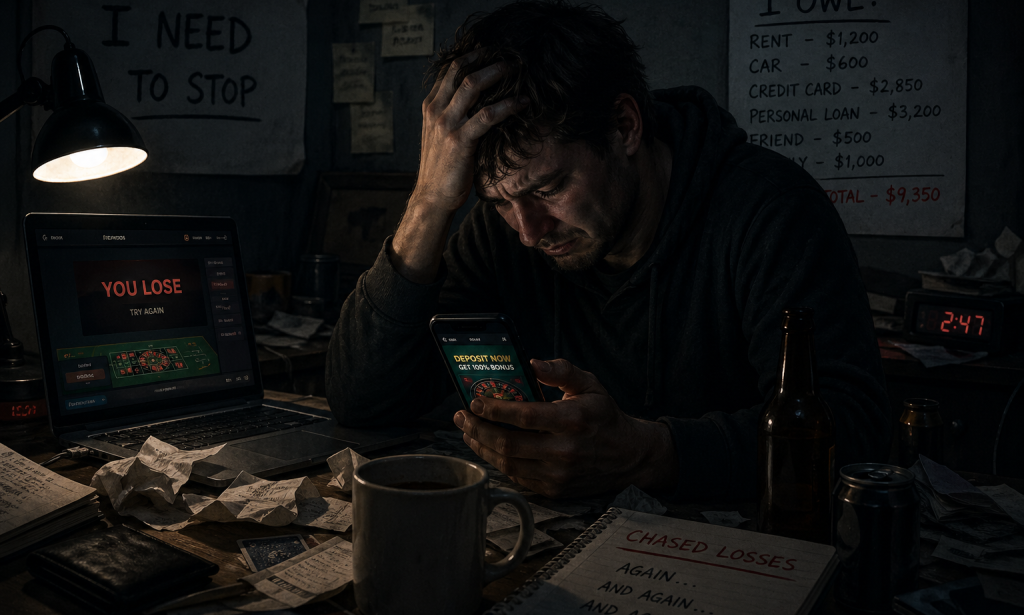
### **A Digital Trap Disguised as Opportunity**
“Spina Zonke,” loosely meaning “spin everything,” captures the all-in mentality that online gambling platforms encourage. With just a smartphone and a few rands, users can access betting apps, slot-style games, and live casinos at any hour. For many South Africans facing unemployment or financial strain, these platforms present themselves as a lifeline—a chance to turn small stakes into life-changing winnings.
But this promise is often an illusion. The algorithms behind these games are designed to ensure long-term losses for the player. What begins as casual betting can quickly spiral into compulsive behavior.
---
### **Addiction: The Silent Crisis**
One of the most devastating effects of online gambling is addiction. Unlike traditional casinos, online platforms are always accessible, private, and fast-paced. There is no closing time and no social barrier—just continuous play.
This constant availability accelerates dependency. Users often chase losses, believing the next bet will recover everything. Instead, they fall deeper into a cycle of loss and desperation. The stigma surrounding gambling addiction also means many suffer in silence without seeking help.
---
### **Financial Ruin and Debt Cycles**
The financial consequences are severe. Many individuals exhaust their savings, take out high-interest loans, or even use money meant for essentials like rent, food, or school fees. In extreme cases, people resort to theft or fraud to sustain their gambling habits.
The ripple effect extends beyond the individual. Families are left struggling, children go without basic needs, and entire households become destabilized. What was once seen as a “quick win” turns into long-term financial devastation.
---
### **Impact on Families and Communities**
Online gambling does not just harm individuals—it fractures relationships. Trust is often broken when hidden debts or secret gambling habits come to light. Arguments over money become frequent, and emotional distance grows.
Communities, particularly in lower-income areas, are disproportionately affected. As more people fall into gambling traps, local economies weaken, and social issues such as crime and substance abuse may increase.
---
### **Mental Health Consequences**
The psychological toll is immense. Anxiety, depression, and feelings of hopelessness are common among those struggling with gambling addiction. The constant cycle of hope and loss creates emotional instability.
In severe cases, individuals may experience suicidal thoughts, especially when faced with overwhelming debt and shame. Mental health services are already stretched thin, making it difficult for many to access the support they need.
---
### **Aggressive Marketing and Accessibility**
A major driver of this crisis is the aggressive marketing used by gambling companies. Promotions, bonuses, and influencer endorsements make gambling seem glamorous and harmless. Advertisements often target young people and those in financially vulnerable situations.
Coupled with widespread smartphone usage and affordable data, these platforms are more accessible than ever. Regulation is struggling to keep pace with the rapid growth of the industry.
---
### **The Need for Urgent Action**
Addressing the “Spina Zonke” crisis requires a multi-pronged approach:
* **Stronger regulation** of online gambling platforms and advertising
* **Public awareness campaigns** highlighting the risks
* **Accessible addiction support services**
* **Financial education** to help individuals make informed decisions
Without intervention, the grip of online gambling will only tighten.
---
### **Conclusion**
“Spina Zonke” is more than just a trend—it is a growing social crisis. While it offers the illusion of easy money, the reality is addiction, financial hardship, and broken lives. For South Africa, confronting this issue is not just about regulating an industry—it is about
protecting its people from a system that profits from their losses.

You must be logged in to post a comment.