

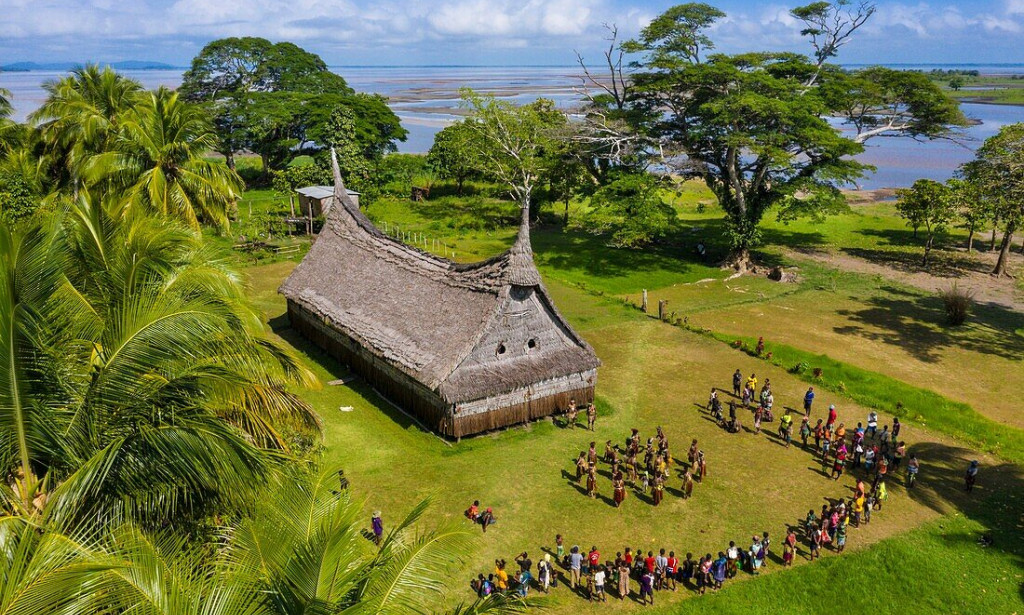
The Rich Cultural Heritage of the Sepik River: A Journey Through History and Tradition
History:
Rooted in their profound connection to the land and river, the history of the Sepik tribes spans thousands of years. Archaeological evidence indicates human settlement along the Sepik River, making it one of Papua New Guinea’s oldest inhabited areas. The tribes’ ancestors, navigating the river’s waterways, established villages and formed distinct cultural identities.
Through centuries, the Sepik tribes developed complex social structures and artistic traditions, distinguishing them from neighboring communities. Trade networks, ceremonial exchanges, and alliances formed the basis of their interconnected societies. The Sepik River not only provided transportation and sustenance but also held a central role in their spiritual beliefs and rituals.
Culture:
The Sepik tribes exhibit a diverse array of cultures, each with its languages, customs, and artistic expressions. Art, a crucial element in their societies, includes intricate carvings, masks, and artifacts representing their spiritual beliefs and mythologies.
- Artistic Traditions:
Renowned for their woodcarvings, the Sepik tribes craft intricate depictions of mythical figures, ancestral spirits, and animals. Elaborate masks, drums, and canoes showcase their skilled craftsmanship, serving as visual representations of cultural significance used in ceremonies and rituals connecting the living with the spirit world.
- Spirituality and Rituals:
Spirituality permeates every aspect of Sepik tribal life, with animistic beliefs, ancestor worship, and complex mythologies shaping their worldview. Ceremonies, dances, and rituals honor ancestral spirits, mark life events, and ensure successful harvests. The Sepik River itself is considered sacred, leading to rituals maintaining a harmonious relationship with the natural world.
- Social Structure:
Diverse social structures characterize Sepik tribes, each community having its leadership systems and kinship networks. Elders, revered for wisdom, play pivotal roles in decision-making and cultural preservation. Societies are often organized around clans, with initiation ceremonies marking key life stages.
Despite challenges posed by modernization, Sepik tribes strive to preserve their cultural heritage. Ongoing efforts to document and protect unique traditions ensure future generations can celebrate the rich history and cultural legacy along the meandering waters of the Sepik River.


You must be logged in to post a comment.