
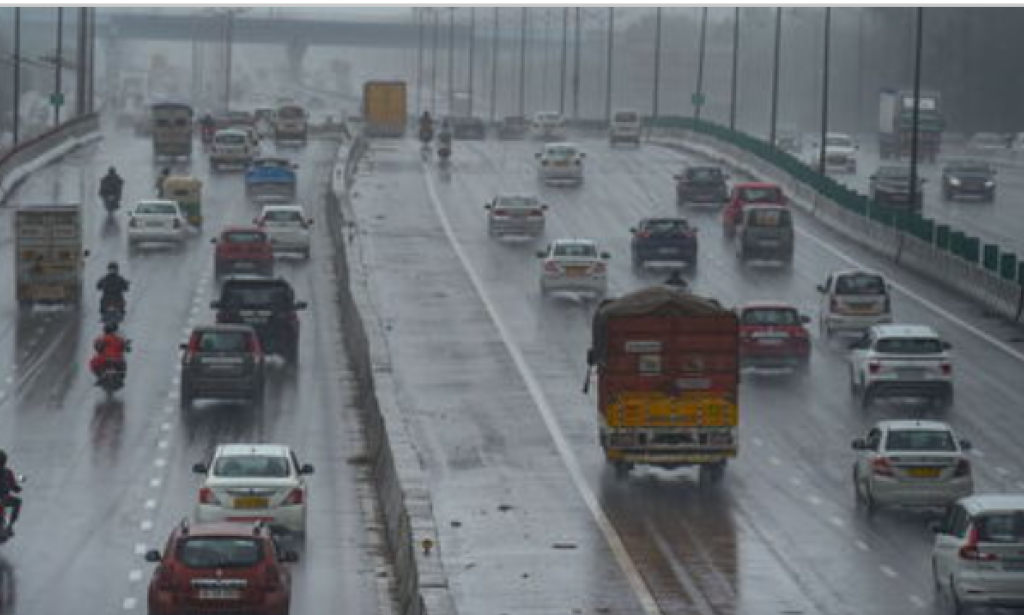
The KMD has announced that the long rains are expected to begin in the second week of March, urging citizens across the country to prepare for a season likely to feature near-average to below-average rainfall with variations in onset, distribution, and intensity.
In Central Kenya, including Nyandarua, Laikipia, Nyeri, Kirinyaga, Murang'a, Kiambu, Meru, Embu, Tharaka Nithi and Nairobi, the rains are projected to start between the second and third weeks of March, offering relief to residents who have endured prolonged dry spells and rising daytime temperatures.
Counties in the South Eastern lowlands such as Kitui, Makueni, Machakos, Kajiado and Taita Taveta are expected to receive rainfall between the third and fourth weeks of March, a timeline that is critical for farmers planning land preparation and early planting.
At the Coast, including Lamu, Mombasa, Kilifi and Kwale, the onset is likely in early to mid-April, while northern counties such as Mandera, Turkana, Isiolo, Marsabit and Samburu may see rainfall beginning in the final week of March.
The Rift Valley and Lake Victoria Basin regions, covering Siaya, Kisumu, Homabay, Migori, Kisii, Nyamira, Trans Nzoia, Baringo, Uasin Gishu, Elgeyo Marakwet, Nandi, Nakuru, Narok, Kericho, Bomet, Kakamega, Vihiga, Bungoma, Busia and West Pokot, are forecast to experience earlier onset from mid-February with intensification through March to May.
Farmers have been advised to prepare their land in advance to maximize yields, as exposing planting holes to sunshine helps eliminate harmful microbes and improves soil conditions before the rains arrive.
The advisory comes amid persistent dry and sunny weather, water shortages in arid areas, and rising wildfire incidents, prompting authorities to caution the public against activities that could spark fires as the country awaits the much-anticipated long rains.


You must be logged in to post a comment.