
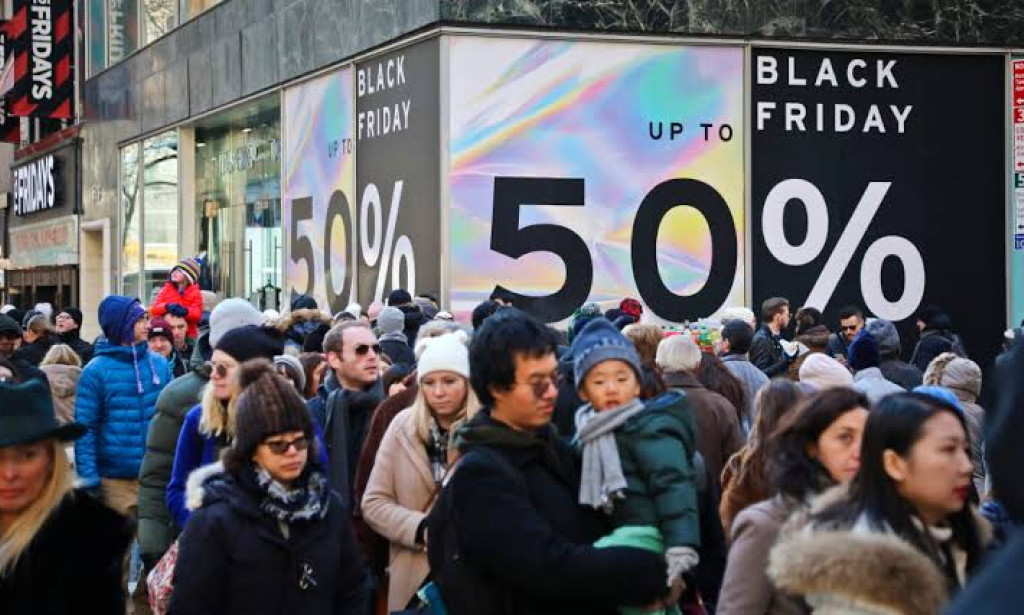
Every year, just hours after families finish Thanksgiving dinner, a different kind of tradition begins across America. Parking lots fill before sunrise, online stores crash from heavy traffic, and millions of shoppers race to grab the best deals of the year. This is Black Friday — the shopping event that has evolved into one of the biggest commercial and cultural phenomena in the United States.
What started decades ago as a simple post-Thanksgiving sales day has transformed into a nationwide event that influences businesses, consumers, and even global markets. For many Americans, Black Friday is no longer just about shopping. It is an experience filled with excitement, competition, strategy, and tradition.
Retailers spend months preparing for the event. Major companies advertise massive discounts on electronics, fashion, appliances, gaming consoles, and luxury products. Stores compete aggressively to attract customers with “doorbuster” deals designed to create urgency and massive crowds. Some shoppers even camp outside stores overnight, hoping to be first in line when doors open.
The event has become even bigger in the digital age. Online shopping has turned Black Friday into a 24-hour internet battle where customers refresh websites constantly to secure limited-time discounts before products sell out. E-commerce giants have transformed shopping into a fast-paced event filled with countdown timers, flash sales, and personalized recommendations.
Social media has amplified the madness surrounding Black Friday. Influencers post shopping guides, product reviews, and “best deal” lists weeks before the event begins. Viral videos showing chaotic crowds, long lines, and dramatic product sellouts attract millions of views every year, turning Black Friday into entertainment as much as a shopping tradition.
Economically, Black Friday plays a huge role in America’s retail industry. Many businesses rely heavily on holiday shopping seasons to generate a significant portion of their yearly revenue. Strong Black Friday sales often signal consumer confidence and economic momentum heading into the holiday season.
However, the event has also faced criticism over the years. Critics argue that the intense consumerism overshadows the meaning of Thanksgiving, while others point to the stress placed on retail workers and shoppers. Viral incidents involving aggressive crowds have sparked debates about whether the event sometimes pushes competition too far.
Despite the criticism, Black Friday continues to evolve rather than disappear. Many retailers now spread deals across entire weeks or even months, creating “Black Friday Week” or “Cyber Month” promotions to reduce pressure while maintaining excitement. Online shopping has also made participation more accessible, allowing people to join the event from home instead of waiting in freezing temperatures outside stores.
What makes Black Friday fascinating is its reflection of modern American culture. It combines technology, consumer psychology, entertainment, and business into one massive event that captures national attention every year. For some people, it is about saving money. For others, it is the thrill of competition or the excitement of securing highly desired products before anyone else.
Love it or hate it, Black Friday has become more than a shopping day. It is now a symbol of America’s fast-moving consumer culture — a yearly event that continues to grow, adapt, and dominate conversations across the country.


You must be logged in to post a comment.