
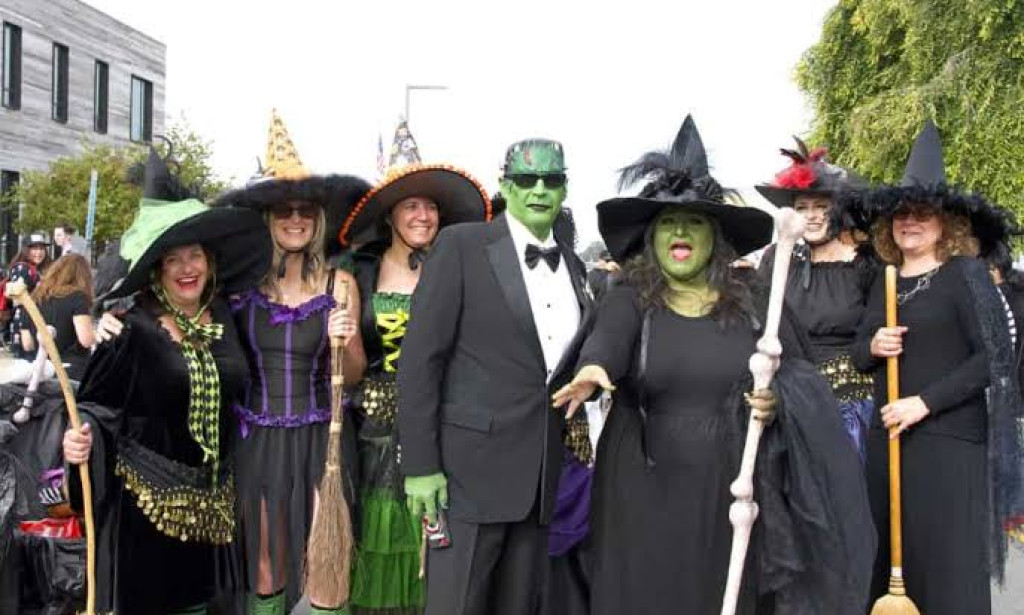
Every year on October 31st, neighborhoods across America transform overnight. Streets glow with orange lights, front yards become haunted graveyards, and millions of people — from children to adults — step into entirely different identities for one unforgettable night. Halloween is no longer just about candy and costumes. It has evolved into one of America’s biggest cultural celebrations, blending creativity, entertainment, business, and social media influence into a nationwide phenomenon.
Unlike traditional holidays that focus mainly on family gatherings or religious traditions, Halloween gives people something unique: freedom of expression. For one night, people can become superheroes, movie villains, celebrities, historical figures, or even viral internet memes. This creative freedom is one reason why Halloween continues to grow in popularity across all age groups.
In recent years, social media has transformed Halloween into a competitive showcase of creativity. Platforms like TikTok and Instagram become flooded with cinematic makeup transformations, elaborate house decorations, and costume reveals that attract millions of views. Some Americans spend months planning their Halloween appearance, treating the holiday almost like an annual fashion event.
The economic impact of Halloween is equally massive. Americans spend billions of dollars every year on costumes, decorations, candy, themed parties, and haunted attractions. Small businesses, makeup artists, costume designers, bakeries, and event organizers all benefit from the season. Even major entertainment companies release horror movies, limited-edition products, and Halloween-themed experiences to capitalize on the excitement.
One of the most fascinating aspects of Halloween is how it brings communities together. Neighborhoods become lively social spaces where families walk door-to-door, strangers interact, and local events create shared memories. In an increasingly digital world, Halloween still preserves a sense of real-world community interaction that many people miss throughout the year.
Haunted houses have also become a major attraction across America. Some are simple local setups built by passionate homeowners, while others are massive professional productions featuring actors, advanced special effects, and movie-quality storytelling. Many haunted attractions now rival theme parks in popularity during the fall season.
The influence of Hollywood has also helped Halloween grow into a global cultural export. American horror films, television specials, and celebrity Halloween parties often dominate international media coverage. As a result, countries around the world have begun adopting parts of the holiday, inspired by the creativity and spectacle seen in America.
But beyond the costumes and decorations, Halloween represents something deeper: the desire to escape reality, embrace imagination, and experience excitement in a world that often feels routine. It is one of the few events where adults and children participate with equal enthusiasm, creating a rare sense of shared excitement across generations.
As Halloween continues evolving with technology, social media, and entertainment trends, one thing remains certain: America has transformed a once-simple tradition into a cultural experience unlike any other. For millions of people, Halloween is no longer just a holiday — it is a season, a business, and a form of self-expression that continues to capture the imagination of the nation.


You must be logged in to post a comment.