
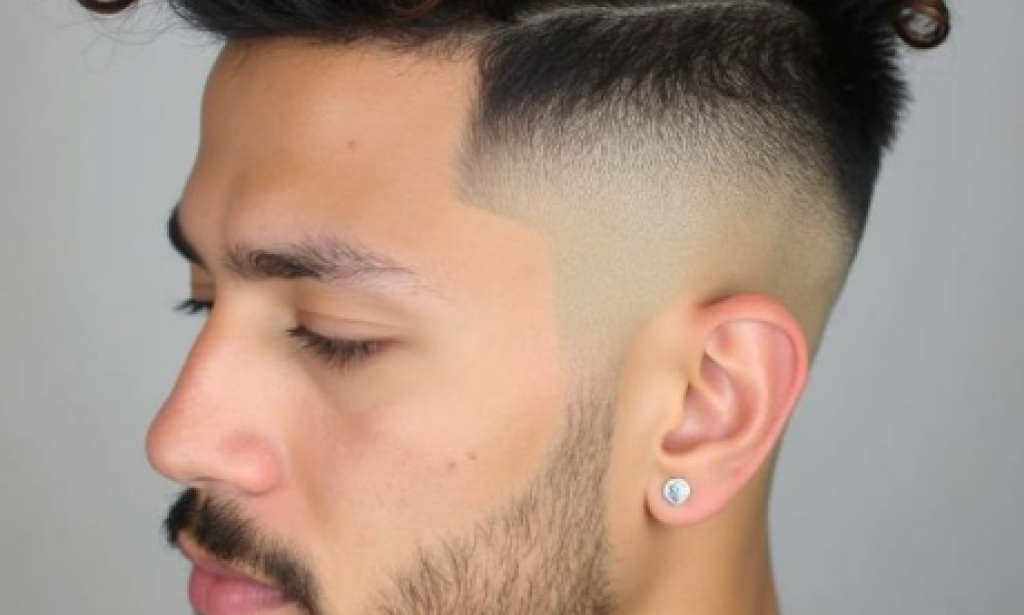
Men with coarse or curly hair face unique challenges that most mainstream grooming advice completely ignores. The techniques designed for straight, fine hair don't just fail—they actively damage textured hair. For decades, men with natural texture have been told to fight against their hair instead of working with it.
Understanding how to care for coarse and curly hair naturally transforms it from a daily frustration into one of your best features. These proven strategies help you embrace your natural texture while keeping your hair healthy, manageable, and looking its best.
Why Your Hair is Different
Coarse and curly hair isn't just thicker or more textured—it has fundamentally different structure and needs compared to straight hair.
The shape of your hair follicle determines your curl pattern. Curved follicles produce curly hair while straight follicles produce straight hair. You can't change this basic structure, which means accepting and working with your natural pattern produces better results than fighting it.
Curly hair grows in a spiral pattern that prevents your scalp's natural oils from traveling down the hair shaft. Straight hair receives oil distribution easily through brushing, but curly hair remains dry at the ends even when your scalp produces adequate oil. This inherent dryness makes moisture the cornerstone of curly hair care.
Coarse hair has a thicker diameter than fine hair, with more layers in the hair shaft. This makes it stronger in some ways but also more prone to dryness and frizz. The wider surface area loses moisture faster.
The cuticle of curly and coarse hair often lies rougher and more raised than straight hair. This creates the textured feel and increases susceptibility to damage. When cuticles lift, moisture escapes and damage occurs more easily.
Understanding these structural differences explains why your hair behaves the way it does and why it needs specialized care.
Stop Using Sulfates Immediately
Sulfates are harsh detergents found in most shampoos. Sodium lauryl sulfate and sodium laureth sulfate create that satisfying lather but strip your hair of essential oils.
For men with straight, fine hair, this might be manageable. For men with coarse or curly hair, sulfates are devastating. They remove the limited natural oil your hair desperately needs, leaving it dry, brittle, and frizzy.
The damage compounds over time. Each wash strips more protective oil, making your hair progressively drier. This leads to breakage, split ends, and unmanageable texture.
The fix: Switch to sulfate-free shampoos immediately. These use gentler cleansing agents like coco-glucoside or decyl glucoside that clean effectively without stripping. Yes, they produce less lather. No, that doesn't mean they're not cleaning. The lather from sulfates is cosmetic, not functional.
Your hair will feel different initially—sometimes even worse—during a 2-3 week adjustment period. This is normal. Your scalp and hair are recalibrating oil production after years of being stripped daily. Push through this transition and you'll emerge with healthier, more manageable hair.
The Co-Washing Revolution
Co-washing means washing your hair with conditioner instead of shampoo. This sounds counterintuitive but works brilliantly for coarse and curly hair.
Cleansing conditioners or co-wash products contain gentle surfactants that remove dirt and buildup without stripping oils. They clean while simultaneously conditioning, addressing the fundamental challenge of curly hair—maintaining moisture while staying clean.
Use co-washing as your primary cleansing method, shampooing only when you need deeper cleaning (once every week or two, or after using heavy products).
Apply co-wash conditioner to wet hair, focusing on your scalp. Massage thoroughly for 2-3 minutes using your fingertips. The mechanical action removes dirt and buildup. Rinse completely.
This method keeps your hair clean without the dryness cycle created by traditional shampooing. Most men notice dramatically softer, more manageable hair within the first week of co-washing.
Deep Conditioning is Non-Negotiable
Regular conditioner provides surface moisture. Deep conditioning treatments penetrate your hair shaft to repair and strengthen from within.
Men with coarse or curly hair should deep condition weekly minimum, more frequently if their hair is particularly dry or damaged.
Apply a deep conditioning mask or treatment to clean, damp hair. Use generous amounts—don't skimp. Work it through every section, ensuring complete coverage from roots to ends.
Cover your hair with a shower cap to trap heat and humidity. These conditions help the treatment penetrate more effectively. Leave it on for 15-30 minutes. Some men leave treatments on for hours or overnight for maximum benefit.
Rinse thoroughly with cool water. The cool temperature seals your hair cuticle, locking in the conditioning benefits.
Deep conditioning transforms dry, brittle hair into soft, manageable texture. The cumulative effect over weeks and months is dramatic. This single practice prevents most of the breakage and damage that plagues men with textured hair.
Leave-In Conditioner: Your Daily Essential
Leave-in conditioner provides ongoing moisture throughout the day. For coarse and curly hair, this isn't optional—it's essential.
Apply leave-in conditioner to soaking wet hair immediately after showering. The water helps distribute the product evenly. Use more than you think you need. Curly hair absorbs significant amounts of product without looking greasy.
Work the leave-in through your hair using your fingers or a wide-tooth comb. Make sure every section receives coverage. Focus extra product on your ends, which are oldest and driest.
Leave-in conditioner serves multiple purposes: it moisturizes, detangles, provides heat protection, reduces frizz, and defines your curl pattern. It's the foundation of your styling routine.
Don't rinse it out. The product is designed to stay in your hair, providing benefits throughout the day.
The LOC or LCO Method
These acronyms represent layering techniques that maximize moisture retention in curly hair.
LOC stands for Liquid, Oil, Cream. Apply a water-based product (leave-in conditioner) first, then an oil to seal moisture in, then a cream for additional moisture and hold.
LCO stands for Liquid, Cream, Oil. Apply liquid (leave-in), then cream, then seal with oil. Some hair types respond better to this order.
Both methods work on the same principle: layer products to trap maximum moisture. The oil creates a barrier that prevents water from evaporating from your hair throughout the day.
Experiment with both methods to see which your hair prefers. Hair porosity (how easily your hair absorbs and retains moisture) determines which works better for you.
Apply each layer to soaking wet hair using praying hands method: rub product between your palms, press hands together with a section of hair between them, then smooth down the length. This technique minimizes frizz while maximizing product distribution.
Understanding Hair Porosity
Porosity refers to your hair's ability to absorb and retain moisture. Knowing your porosity level helps you choose the right products and techniques.
Low porosity hair has tightly closed cuticles that resist moisture absorption. Products sit on the surface instead of penetrating. This hair type needs lightweight products and benefits from heat during deep conditioning to lift the cuticle and allow moisture in.
Medium porosity hair accepts and retains moisture well. It requires the least specialized care and works with most products and techniques.
High porosity hair has raised, damaged cuticles that absorb moisture quickly but also lose it rapidly. This hair needs heavy, rich products and protein treatments to temporarily patch gaps in the cuticle.
The float test determines porosity: place a clean strand of hair in a glass of water. Low porosity hair floats, medium porosity hair suspends in the middle, high porosity hair sinks quickly.
Another method: run your fingers up a hair strand from end to root. Smooth texture indicates low porosity, slightly textured is medium, very rough suggests high porosity.
Choose products based on your porosity level. Low porosity needs lightweight, water-based products. High porosity requires heavier creams, butters, and regular protein treatments.
Protein Treatments for Strength
Hair is made of protein (keratin). Damage, heat styling, chemical processing, and even normal wear create gaps in your hair's protein structure.
Protein treatments temporarily fill these gaps, strengthening hair and reducing breakage. They're particularly important for high porosity hair that's sustained significant damage.
Signs you need protein: hair feels mushy or limp when wet, stretches excessively without returning to normal, breaks easily, lacks definition.
Use protein treatments every 4-6 weeks for normal hair, more frequently if damaged. Don't overdo it—excessive protein makes hair brittle and dry.
Apply protein treatment to clean, damp hair. Leave for the recommended time (usually 15-30 minutes), then rinse thoroughly and follow with a moisturizing deep conditioner. The moisture step is critical—protein alone without moisture creates stiff, breakable hair.
Common protein sources in treatments include hydrolyzed wheat protein, silk protein, keratin, and collagen. Different proteins penetrate to different depths, with hydrolyzed proteins reaching deepest.
Detangling Without Damage
Curly and coarse hair tangles easily. Improper detangling causes massive breakage and damage. Learning correct technique prevents unnecessary hair loss.
Never detangle dry hair. Always work with wet, conditioner-coated hair. The slip from conditioner allows knots to release without breaking hair.
Start at your ends, not your roots. Hold the hair above the section you're working on to prevent pulling at the scalp. Gently work through tangles, adding more conditioner if needed.
Use a wide-tooth comb or your fingers. Fine-tooth combs and brushes tear through tangles, breaking hair. Wide spaces allow hair to move without excessive tension.
Work in sections. Trying to detangle your entire head at once guarantees missing spots and creating new tangles. Divide hair into 4-6 sections and work through each systematically.
Be patient. Rushing through detangling causes the most damage. Take the time to gently work through knots rather than ripping through them.
Detangle during every wash while conditioner is in your hair. This maintains manageability and prevents massive tangle sessions that result in significant breakage.
Air Drying vs. Heat Drying
Heat styling damages all hair but particularly affects coarse and curly texture. The high temperatures disrupt hydrogen bonds in your hair, permanently altering structure and increasing porosity.
Air drying is gentler and preserves curl pattern better than blow drying. Apply your products to soaking wet hair, then either let it dry naturally or use the plopping method.
Plopping: Lay a microfiber towel or t-shirt flat. Flip your wet, product-coated hair onto it. Wrap the fabric around your head and secure. Leave for 20-45 minutes. This method encourages curl formation while absorbing excess water without creating frizz.
If you must use heat, always apply heat protectant first and use the diffuser attachment on your dryer. Diffusers disperse airflow, preventing the concentrated blast that disrupts curls.
Use low heat and low speed. Cup sections of hair in the diffuser and hold it there until mostly dry. Don't move the diffuser around constantly or touch your hair—this creates frizz.
Many men find that air drying at night and sleeping on their styled hair produces the best results. Morning hair looks fully dry and defined without heat exposure.
The Right Haircut Makes Everything Easier
Even the best products and techniques can't overcome a bad haircut. Curly and coarse hair requires cutting approaches that work with its structure.
Dry cutting shows how your hair actually sits. Cutting wet curly hair can produce unpleasant surprises when it dries and shrinks up. Many barbers specializing in textured hair cut exclusively on dry, styled hair.
Layering removes bulk and allows curls to stack beautifully instead of creating a triangular or mushroom shape. The right layering makes your hair look fuller while being easier to manage.
Avoid thinning shears unless your barber really knows what they're doing with textured hair. These often create frizz and disrupt curl patterns.
Define your shape with your barber. Curly hair shrinks significantly when dry. What looks like a reasonable length wet might become very short when styled. Communicate clearly about your desired dried length, not wet length.
Find a barber experienced with your hair type. Not all barbers understand textured hair. Ask friends with similar hair where they go, or specifically seek out barbers advertising expertise in curly or coarse hair.
Regular trims every 6-8 weeks prevent split ends from traveling up the hair shaft. Even if you're growing your hair longer, these maintenance trims keep it healthy.
Product Selection Guidelines
The natural hair care market overflows with options. Understanding what to look for helps you choose effectively without wasting money.
Avoid: Sulfates (SLS, SLES), silicones (ingredients ending in -cone or -xane), drying alcohols (alcohol denat, isopropyl alcohol), mineral oil, petrolatum.
Seek: Natural oils (coconut, jojoba, argan, olive), shea butter, aloe vera, glycerin, moisturizing alcohols (cetyl alcohol, stearyl alcohol), natural humectants.
Read ingredient lists carefully. Marketing claims mean nothing—the actual ingredients determine effectiveness. The first 5-7 ingredients make up most of the formula.
Price doesn't equal quality. Some affordable drugstore brands outperform expensive salon products. Test products based on ingredients and reviews from people with similar hair type, not price tags.
Start with a simple routine: sulfate-free shampoo or co-wash, deep conditioner, leave-in conditioner, and an oil or cream. Add specialized products (curl definers, gels, protein treatments) after you've mastered the basics.
Managing Shrinkage
Shrinkage is when your hair appears much shorter than its actual length. Tight curls can shrink to 50% or less of their stretched length.
This isn't a problem to fix—it's a natural characteristic of curly hair. Healthy curls shrink because they're properly moisturized and elastic.
If you want to show length occasionally, try:
Banding: Divide damp hair into sections and secure with soft hair ties down the length. This gently stretches hair as it dries without heat damage.
Twist-outs or braid-outs: Twist or braid damp hair and let it dry completely. Unravel for elongated, defined texture.
Blow drying with tension: Use a comb attachment and pull sections taut while drying on low heat. This provides more stretch than diffusing.
African threading: Wrap sections with thread from root to end. This traditional technique stretches hair without heat.
Remember that stretched styles are temporary. Your hair returns to its natural shrinkage once wet again. Embrace the shrinkage as a sign of healthy, well-moisturized curls rather than fighting against it constantly.
Protective Styling
Protective styles minimize manipulation and protect ends from environmental damage. They're particularly valuable for growing your hair longer.
Low manipulation styles include twists, braids, and updos that keep your ends tucked away. These reduce daily styling damage while maintaining moisture.
Don't make protective styles too tight. Tension causes traction alopecia—permanent hair loss from constant pulling. If your scalp hurts or you feel pulling, the style is too tight.
Maintain your hair even in protective styles. Your scalp still needs cleansing. Use a spray bottle with diluted shampoo or co-wash to clean your scalp without fully taking down your style.
Moisturize regularly. Spray your hair with water or a leave-in mixture, then seal with oil. Don't let your hair get completely dry just because it's in a protective style.
Don't leave protective styles in too long. Most should be refreshed every 1-2 weeks. Leaving them longer causes matting and breakage when you take them down.
Nighttime Routine for Curl Preservation
What you do before bed determines whether you wake up with intact curls or a tangled, flattened mess.
Silk or satin pillowcase: These smooth materials don't absorb moisture or create friction like cotton. This single change dramatically reduces frizz and breakage.
Satin bonnet or durag: Covering your hair provides even better protection than a pillowcase alone. Choose a size that fits comfortably without being tight.
Pineapple method: Gather all your hair at the very top of your head in a loose, high ponytail using a silk scrunchie. This preserves curls while preventing flattening.
Twist or braid: For shorter hair or very tight curls, twist or braid sections before bed. Unravel in the morning and fluff for defined texture.
Refresh in the morning: Lightly mist with water, apply a small amount of leave-in or curl cream, and scrunch. This revives curls without completely restyling.
Moisturize before bed. Apply a light oil or leave-in conditioner to seal in moisture overnight.
Water Quality Matters
Hard water contains high mineral content (calcium and magnesium) that deposits on your hair, creating buildup that blocks moisture absorption.
Signs of hard water damage: hair feels rough and tangles easily even with good products, products don't seem to work anymore, hair looks dull, difficulty getting hair clean.
The fix: Install a shower filter that removes minerals. These inexpensive filters attach to your shower head and significantly improve water quality.
Chelating treatment: Use a chelating shampoo monthly to remove mineral buildup. These specialized shampoos contain ingredients that bind to minerals and remove them.
Apple cider vinegar rinse: Mix equal parts ACV and water. After shampooing, pour over hair, let sit 2-3 minutes, then rinse. This removes buildup and restores pH balance.
If you live in a hard water area, addressing this issue is crucial. All your other efforts won't produce optimal results if mineral deposits constantly coat your hair.
Dealing With Frizz
Frizz happens when individual hair strands separate from curl clumps and the cuticle raises. Dryness, humidity, and rough handling all contribute.
Prevention: Keep hair well-moisturized, don't touch it while drying, use smooth materials (microfiber towels, satin pillowcases), apply products to soaking wet hair, seal with oil.
Quick fixes: Apply a tiny amount of oil or leave-in to your palms, rub them together, then gently smooth over frizzy areas without breaking curl clumps. Don't rub or scrunch—this creates more frizz.
Humidity control: Some curl creams and gels contain humidity-resistant polymers that prevent moisture from the air from penetrating and disrupting your curl pattern.
Accept that some frizz is normal and natural. The goal isn't eliminating every stray hair but maintaining overall definition and manageability.
Common Mistakes to Avoid
Learning what not to do prevents damage and frustration.
Using regular towels: These rough fabrics rough up your cuticle. Always use microfiber towels or t-shirts.
Brushing dry hair: This tears through curls, creates breakage, and produces massive frizz. Detangle only when wet with conditioner.
Skipping regular trims: Split ends travel up the hair shaft, creating more damage. Trim every 6-8 weeks.
Over-manipulating: Constantly touching, twisting, and rearranging your hair disrupts curl formation and creates frizz.
Using too little product: Curly hair needs generous amounts of product. Don't be afraid to use what seems like too much.
Expecting instant results: Natural hair care requires patience. Give new routines at least 4-6 weeks before judging effectiveness.
Comparing your hair to others: Everyone's curl pattern, density, and texture differs. What works for someone else might not work for you.
Building Your Simple Routine
Start with these basics and expand only after mastering them.
Wash day (1-2 times per week):
- Co-wash or use sulfate-free shampoo
- Detangle with conditioner in hair
- Deep condition for 20-30 minutes
- Apply leave-in conditioner to soaking wet hair
- Apply oil to seal moisture
- Apply styling cream or gel if desired
- Air dry or diffuse
Daily maintenance:
- Protect hair at night with satin bonnet or pillowcase
- Refresh in morning with water spray and small amount of product
- Don't over-manipulate throughout the day
Weekly:
- Deep conditioning treatment
- Protein treatment if needed (every 4-6 weeks)
Monthly:
- Clarifying or chelating shampoo to remove buildup
- Trim if needed (every 6-8 weeks)
This routine takes 45-60 minutes on wash days, 5 minutes daily. That's a small investment for healthy, manageable hair.
The Bottom Line
Natural hair care for men with coarse or curly hair comes down to moisture, gentle handling, and working with your texture instead of fighting it.
The mainstream grooming industry has largely ignored textured hair or recommended techniques that damage it. Taking a natural approach—eliminating harsh chemicals, maximizing moisture, and embracing your curl pattern—produces dramatically better results.
Your hair will never behave like straight, fine hair, and that's excellent news. Properly maintained coarse and curly hair offers volume, character, and distinctive style that straight hair can't replicate.
The transition to natural care takes patience. Your hair needs time to recover from years of stripping and damage. Give your new routine at least 6-8 weeks before judging results.
Start with the basics: eliminate sulfates, deep condition weekly, use leave-in daily, protect at night. Master these fundamentals before adding complexity.
Your natural texture is an asset, not a problem. Give it the specialized care it needs and watch it transform into your best feature.


You must be logged in to post a comment.