

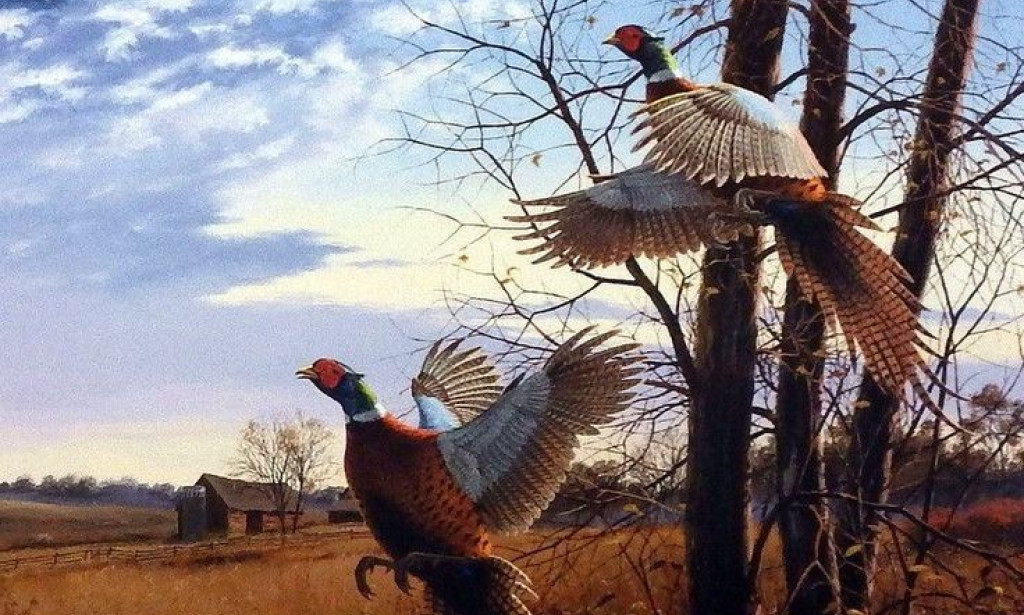
Wildlife Migration Patterns
Wildlife migration is a fascinating and essential behavior observed across various species, including birds, mammals, fish, and insects. Migration refers to the large-scale movement of species from one region to another, often driven by seasonal changes, food availability, breeding needs, or environmental conditions.
---
Key Aspects of Migration
1. Purpose of Migration:
Survival: Many species migrate to find food and favorable living conditions.
Reproduction: Animals like salmon travel long distances to spawn in specific locations.
Temperature Regulation: Certain species move to avoid extreme cold or heat.
2. Types of Migration:
Seasonal Migration: Movement triggered by changing seasons (e.g., birds migrating in winter).
Latitudinal Migration: Traveling north to south or vice versa, often in search of warmer climates.
Altitudinal Migration: Moving up and down mountains based on seasonal temperature changes.
Nomadic Migration: Irregular movement patterns, often in search of food (e.g., wildebeests in Africa).
3. Mechanisms of Migration:
Navigation: Animals use Earth's magnetic field, stars, the sun, and environmental cues for navigation.
Energy Conservation: Some species use wind currents or ocean currents to save energy.
Social Behavior: Many species, like birds and fish, migrate in groups to reduce predation risks and increase efficiency.
---
Examples of Migrating Species
1. Birds:
Arctic Tern: Travels over 70,000 km annually, migrating between the Arctic and Antarctic.
Swallows: Migrate to warmer regions in winter to avoid food scarcity.
2. Mammals:
Wildebeests: Known for their great migration in the Serengeti, covering over 1,800 miles annually.
Bats: Recent studies show that some bat species use storm fronts to facilitate their migration.
3. Fish:
Salmon: Migrate from oceans to freshwater rivers to spawn.
Eels: Travel from freshwater to the ocean for breeding.
4. Insects:
Monarch Butterflies: Migrate thousands of miles from North America to Mexico for overwintering.
Dragonflies: Some species undertake cross-continental migrations.
---
Recent Discoveries in Wildlife Migration
1. Bats and Storm Fronts:
Recent research highlights that certain bat species exploit storm fronts to enhance their continental migrations. This behavior reduces the energy expenditure required for their long journeys.
2. Climate Change Impacts:
Altered migration timings and routes have been observed due to climate change, affecting ecosystems and species survival.
3. Technological Advances:
Scientists now use GPS tracking, satellite imaging, and AI to monitor and understand migration patterns in real-time.
---
Threats to Migration
1. Habitat Loss:
Urbanization and deforestation disrupt traditional migration routes.
2. Climate Change:
Rising temperatures and unpredictable weather patterns make migration more challenging.
3. Pollution:
Air and water pollution adversely affect migratory species like birds and fish.
4. Hunting and Poaching:
Migratory animals are often targeted during their journeys.
---
Conservation Efforts
1. Protected Areas:
Establishing wildlife corridors and migratory reserves to ensure safe passage.
2. International Cooperation:
Agreements like the Convention on Migratory Species (CMS) help protect migratory animals.
3. Public Awareness:
Educating communities about the importance of migration and species protection.
4. Research and Monitoring:
Continued scientific studies to track and support migratory species.
---
Wildlife migration is not only a natural wonder but also
a critical component of global biodiversity and ecosystem health. Preserving migratory species is vital for maintaining ecological balance and supporting human life.












































This is so amazing
You must be logged in to post a comment.