

Your Daily Shower Isn’t Cleaning You—It Might Be Disrupting Your Skin’s Natural Defense System

Introduction
For most people, a daily shower feels like the ultimate symbol of cleanliness. It wakes you up, washes away sweat, and leaves you feeling refreshed. But what if this deeply ingrained habit is quietly doing more harm than good?
Emerging research and dermatological insights suggest that frequent showering—especially with hot water and harsh soaps—may actually be disrupting your skin’s natural defense system. Instead of protecting you, your routine could be weakening your skin barrier, stripping essential oils, and making you more vulnerable to irritation, dryness, and even infection.
This article explores the science behind your skin’s ecosystem, the hidden downsides of daily showers, and how to maintain hygiene without damaging your body’s built-in protection.
Understanding Your Skin’s Natural Defense System
Your skin is not just a passive outer layer—it’s a highly active organ with its own ecosystem.
The Skin Barrier: Your First Line of Defense
The outermost layer of your skin, known as the stratum corneum, acts as a protective shield. It is made up of:
Dead skin cells (corneocytes)
Natural lipids (fats)
Proteins like keratin
Together, these components form a barrier that:
Prevents water loss
Blocks harmful microbes
Shields against environmental toxins
The Skin Microbiome: Invisible Guardians
Your skin hosts billions of microorganisms—bacteria, fungi, and viruses—collectively known as the microbiome. While that may sound alarming, most of these microbes are beneficial.
They help:
Fight off harmful pathogens
Maintain skin pH balance
Support immune responses
Disrupting this ecosystem can lead to inflammation, infections, and chronic skin conditions.
The Daily Shower Myth: Clean vs. Over-Clean
Why We Believe Daily Showers Are Essential
Cultural norms, advertising, and personal habits have convinced us that showering daily is necessary for hygiene. In reality:
Human bodies do not accumulate dangerous levels of dirt every day
Sweat itself is mostly water and salt (odor comes from bacteria breaking it down)
Over-cleansing can do more harm than good
Clean Doesn’t Always Mean Healthy
Excessive washing can strip your skin of:
Natural oils (sebum)
Beneficial bacteria
Moisture-retaining compounds
This leads to a paradox: the more you wash, the more your skin struggles to protect itself.
How Daily Showers Can Damage Your Skin

1. Stripping Natural Oils
Hot water and soap dissolve the oils that keep your skin soft and hydrated.
Consequences:
Dry, flaky skin
Tightness after showering
Increased sensitivity
2. Disrupting the Microbiome
Frequent washing removes both harmful and beneficial bacteria.
Result:
Imbalanced skin flora
Increased risk of infections
Aggravation of acne and eczema
3. Weakening the Skin Barrier
Over-cleansing damages the lipid matrix that holds your skin together.
Effects include:
Cracks in the skin barrier
Increased water loss
Greater vulnerability to irritants
4. Triggering Inflammation
Repeated exposure to hot water and harsh cleansers can cause micro-inflammation.
This may lead to:
Redness
Itching
Chronic irritation
The Role of Hot Water: A Hidden Culprit
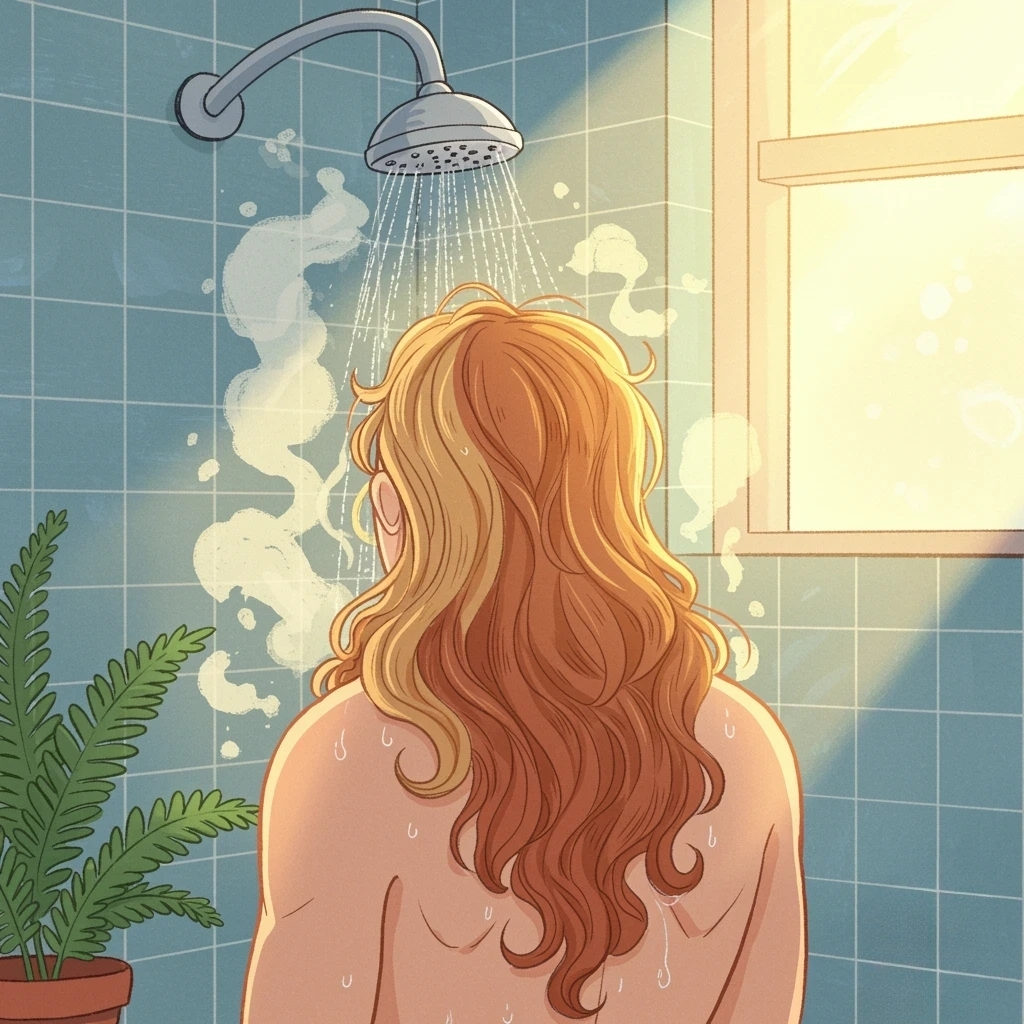
Hot showers feel relaxing, but they are particularly damaging.
Why Hot Water Is Problematic
Breaks down skin lipids faster
Causes blood vessels to dilate (leading to redness)
Increases moisture evaporation
Signs You’re Using Water That’s Too Hot
Skin feels tight immediately after drying
Red patches appear
Persistent dryness despite moisturizing
Soap and Body Wash: Not All Are Created Equal
The Problem with Harsh Cleansers
Many commercial soaps contain:
Sulfates
Artificial fragrances
Alcohol-based ingredients
These can:
Strip oils aggressively
Alter skin pH
Trigger allergic reactions
Understanding pH Balance
Healthy skin has a slightly acidic pH (around 5.5). Harsh soaps can make it more alkaline, weakening its defenses.
Who Is Most at Risk?
While everyone can be affected, some people are more vulnerable.
High-Risk Groups
People with sensitive skin
Individuals with eczema or psoriasis
Elderly individuals (thinner skin barrier)
Children (developing microbiome)
Signs Your Shower Routine Is Harming You
If your daily shower is doing more harm than good, your body will show it.
Common Warning Signs
Persistent dryness or flaking
Itchy skin after bathing
Redness or irritation
Increased breakouts
Tight or “squeaky clean” feeling
How Often Should You Actually Shower?

The answer varies based on lifestyle, climate, and activity level.
General Guidelines
2–4 times per week is sufficient for many people
Daily showers may be necessary if you:
Exercise heavily
Work in dirty environments
Live in hot, humid climates
Targeted Cleaning Approach
Instead of full-body washing every day:
Focus on key areas:
Armpits
Groin
Feet
Face
Smarter Shower Habits for Healthier Skin
You don’t need to give up showers—just change how you take them.
Best Practices
Use lukewarm water instead of hot
Limit showers to 5–10 minutes
Use gentle, fragrance-free cleansers
Avoid scrubbing aggressively
After-Shower Care
Pat skin dry (don’t rub)
Apply moisturizer within 3 minutes
Use creams instead of lotions for better hydration
The Truth About “Over-Hygiene”
Hygiene vs. Sterilization
Your goal should be cleanliness—not sterilization.
Over-hygiene:
Weakens immune response
Reduces microbial diversity
May increase sensitivity to allergens
The Hygiene Hypothesis
This theory suggests that excessive cleanliness may contribute to:
Allergies
Autoimmune conditions
Skin disorders
Cultural and Environmental Factors
Climate Matters
In hot climates like Karachi:
Sweat production is higher
More frequent rinsing may be needed
However, you can still:
Skip soap on certain days
Use water-only rinses
Lifestyle Considerations
Office workers may not need daily full showers
Outdoor workers may require more frequent cleansing
Natural Alternatives to Daily Soaping
If you feel the need to shower daily, consider gentler options.
Alternatives
Water-only rinses
Mild, soap-free cleansers
Oat-based or oil-based washes
Benefits
Maintains microbiome balance
Preserves natural oils
Reduces irritation
Debunking Common Shower Myths
Myth 1: Daily Showers Are Necessary for Health
Reality: Most people can stay healthy with less frequent washing.
Myth 2: More Soap Means Cleaner Skin
Reality: Excess soap damages protective barriers.
Myth 3: Body Odor Means You’re Dirty
Reality: Odor is caused by bacteria, not dirt—and can be managed without over-washing.
What Dermatologists Recommend
Many skin experts now advocate for a balanced approach.
Key Recommendations
Shower based on need, not habit
Use gentle skincare products
Protect the skin barrier as a priority
Long-Term Effects of Over-Showering
If the habit continues unchecked, it can lead to:
Chronic Issues
Persistent dry skin
Eczema flare-ups
Increased skin sensitivity
Premature aging
Psychological Effects
Dependence on feeling “over-clean”
Anxiety around body odor
Creating a Balanced Hygiene Routine
A Practical Weekly Plan
Example:
3–4 full showers per week
Quick rinses on other days
Daily targeted cleaning
Key Principles
Listen to your skin
Adjust based on activity level
Prioritize barrier health
Final Thoughts: Rethinking Cleanliness

Your daily shower may feel refreshing, but it’s worth questioning whether it’s truly benefiting your skin. Cleanliness is important—but over-cleansing can quietly undermine your body’s natural defenses.
Healthy skin isn’t about being “squeaky clean.” It’s about balance.
Conclusion
Your skin is a complex, living system designed to protect you. When you shower too frequently—especially with hot water and harsh soaps—you disrupt this delicate balance.
The result?
A weakened skin barrier
A disturbed microbiome
Increased vulnerability to irritation and disease
By rethinking your shower habits—reducing frequency, using gentler products, and respecting your skin’s natural ecosystem—you can achieve something far more valuable than surface-level cleanliness: true skin health.
Sometimes, doing less is exactly what your body needs.
Frequently Asked Questions (FAQs)
1. Is it unhealthy to shower every day?
Not necessarily—but it depends on how you shower. Daily showers with hot water and harsh soaps can damage your skin barrier and strip natural oils. If you prefer showering daily, use lukewarm water and gentle cleansers to minimize harm.
2. How often should I shower for healthy skin?
For most people, showering 2–4 times per week is enough to maintain hygiene. However, if you sweat heavily, exercise frequently, or live in a hot climate, you may need more frequent showers—just avoid overusing soap.
3. Can showering too much cause skin problems?
Yes. Over-showering can lead to:
Dry and flaky skin
Irritation and redness
Weakened skin barrier
Increased risk of conditions like eczema
Your skin needs natural oils and bacteria to stay healthy.
4. Is hot water bad for your skin during showers?
Yes. Hot water strips away protective oils and can damage your skin barrier. It also increases dryness and irritation. Dermatologists recommend using lukewarm water instead.
5. Do I need to use soap on my entire body every day?
No. It’s usually enough to use soap on key areas like:
Armpits
Groin
Feet
Other areas can often be rinsed with water unless visibly dirty.
6. What is the best way to protect my skin while showering?
Follow these simple tips:
Keep showers short (5–10 minutes)
Use mild, fragrance-free cleansers
Avoid scrubbing too hard
Apply moisturizer immediately after drying
These habits help maintain your skin’s natural defense system.

You must be logged in to post a comment.