
Animals That Eat Their Own Babies — The Dark Side of Survival in Nature
Introduction
Nature is often imagined as beautiful, balanced, and peaceful. We picture loving animal parents protecting their young at all costs. But the natural world has a much darker side—one that shocks many people when they first discover it.
In some species, parents kill and even eat their own offspring.
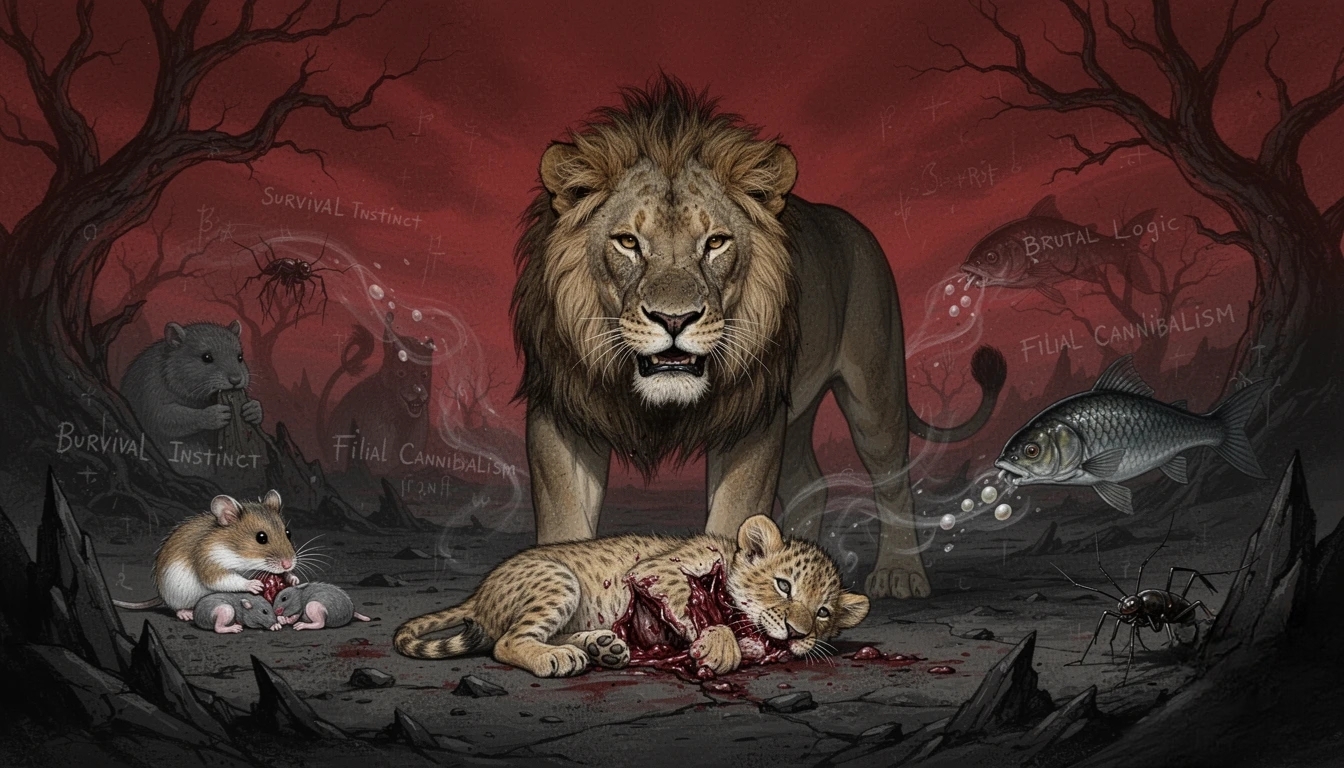
This disturbing behavior, known as filial cannibalism, exists across many parts of the animal kingdom. Fish swallow their eggs. Hamsters devour newborn pups. Lions kill cubs after taking over a pride. Even insects and amphibians sometimes consume their young.
At first glance, it seems cruel and senseless. But in nature, survival is not based on emotions or morality. It is driven by energy, competition, genetics, and harsh environmental pressures.
Animals do not think in terms of “good” or “evil.” They act according to instincts shaped by millions of years of evolution. In certain situations, eating their own babies can actually increase the parent’s chances of survival—or improve the survival odds of future offspring.
This article explores the shocking reality behind animals that eat their own babies, why it happens, which species do it, and what it reveals about the brutal logic of survival in the wild.
What Is Filial Cannibalism?
The Scientific Definition
Filial cannibalism refers to a parent consuming its own offspring. This may include:
Eggs
Embryos
Larvae
Newborn babies
Weak or sick young
Scientists have observed this behavior in:
Mammals
Fish
Amphibians
Reptiles
Birds
Insects
In many cases, the behavior is not random aggression. It is a survival strategy triggered by environmental stress or biological instincts.
Why Would Animals Eat Their Own Babies?
Survival Comes Before Emotion
Humans naturally view parenting through emotional attachment. But animals operate differently.
In the wild:
Food shortages are common
Energy is limited
Predators are everywhere
Weak offspring may not survive anyway
Under these harsh conditions, sacrificing some offspring can improve the survival chances of the parent or remaining babies.
Main Reasons Animals Eat Their Young
1. Lack of Food
One of the most common causes is starvation.
When food becomes scarce, parents may consume weaker offspring to regain nutrients and stay alive.
This allows them to:
Survive difficult conditions
Produce healthier offspring later
Protect stronger babies already born
2. Weak or Sick Offspring
Some animals instinctively detect unhealthy babies.
If offspring are:
Deformed
Sick
Injured
Unlikely to survive
the parent may kill or eat them to avoid wasting energy.
This brutal process acts as a form of natural selection.
3. Stress and Fear
Captive animals often eat their babies because of stress.
Triggers include:
Loud noises
Human disturbance
Overcrowding
Lack of nesting space
Constant handling
Rodents are especially known for this behavior.
4. Reclaiming Nutrients
Producing eggs or babies requires enormous energy.
If offspring are unlikely to survive, consuming them helps the parent recover valuable nutrients like:
Protein
Fat
Calcium
This energy may help the parent survive long enough to reproduce again.
5. Population Control
In some species, too many offspring reduce survival chances for everyone.
Parents may eliminate weaker young to:
Reduce competition
Preserve resources
Increase survival odds for stronger siblings
Animals That Eat Their Own Babies
1. Hamsters
Hamsters are among the most infamous examples of filial cannibalism.
Female hamsters sometimes eat their newborn pups shortly after birth.
Why Hamsters Do This
Common reasons include:
Stress
Lack of food
Feeling threatened
Human interference
Weak offspring
Even touching newborn pups with human scent can sometimes stress inexperienced mothers.
In the wild, this behavior helps conserve energy during dangerous conditions.
2. Lions
Male lions are known for killing cubs after taking over a pride.
Although they do not always eat them, cannibalism sometimes occurs.
Why Lions Kill Cubs
A new dominant male wants females to reproduce quickly.
Lionesses nursing cubs cannot mate. By killing cubs:
Females return to fertility faster
The male spreads his own genes
Competition from rival bloodlines disappears
This behavior is called infanticide and is common in several mammal species.
3. Polar Bears
Polar bears have occasionally been observed killing and eating cubs.
Why It Happens
Scientists believe this is linked to:
Extreme hunger
Melting sea ice
Food scarcity
Competition for resources
Climate change has reduced hunting opportunities for polar bears, increasing desperate survival behaviors.
Male polar bears are more likely to attack cubs than mothers are.
4. Fish That Eat Their Eggs
Many fish species consume their own eggs.
Examples include:
Cichlids
Sticklebacks
Gobies
Guppies
Why Fish Eat Their Eggs
Scientists discovered several reasons:
Unfertilized Eggs
Dead or unfertilized eggs may attract fungus or bacteria.
Parents remove them by eating them.
Energy Recovery
Guarding eggs requires energy and prevents feeding.
If survival chances drop, eating the eggs helps the parent recover nutrients.
Stress
Disturbance or predator threats can trigger egg cannibalism.
5. Praying Mantises
Praying mantises are famous for cannibalism.
Young mantises often eat siblings soon after hatching.
In rare cases, adults may consume their offspring too.
Survival Through Cannibalism
Mantises live in highly competitive environments where food is limited.
Cannibalism provides:
Immediate nutrition
Faster growth
Reduced competition
For insects, survival often depends on ruthless efficiency.
6. Sand Tiger Sharks
Sand tiger sharks have one of the most horrifying reproductive systems in nature.
Inside the womb, developing embryos eat:
Smaller siblings
Unfertilized eggs
This process is called intrauterine cannibalism.
Why It Happens
Only the strongest embryos survive.
By birth, usually only two fully developed pups remain—one from each uterus.
These pups are already powerful predators before they are even born.
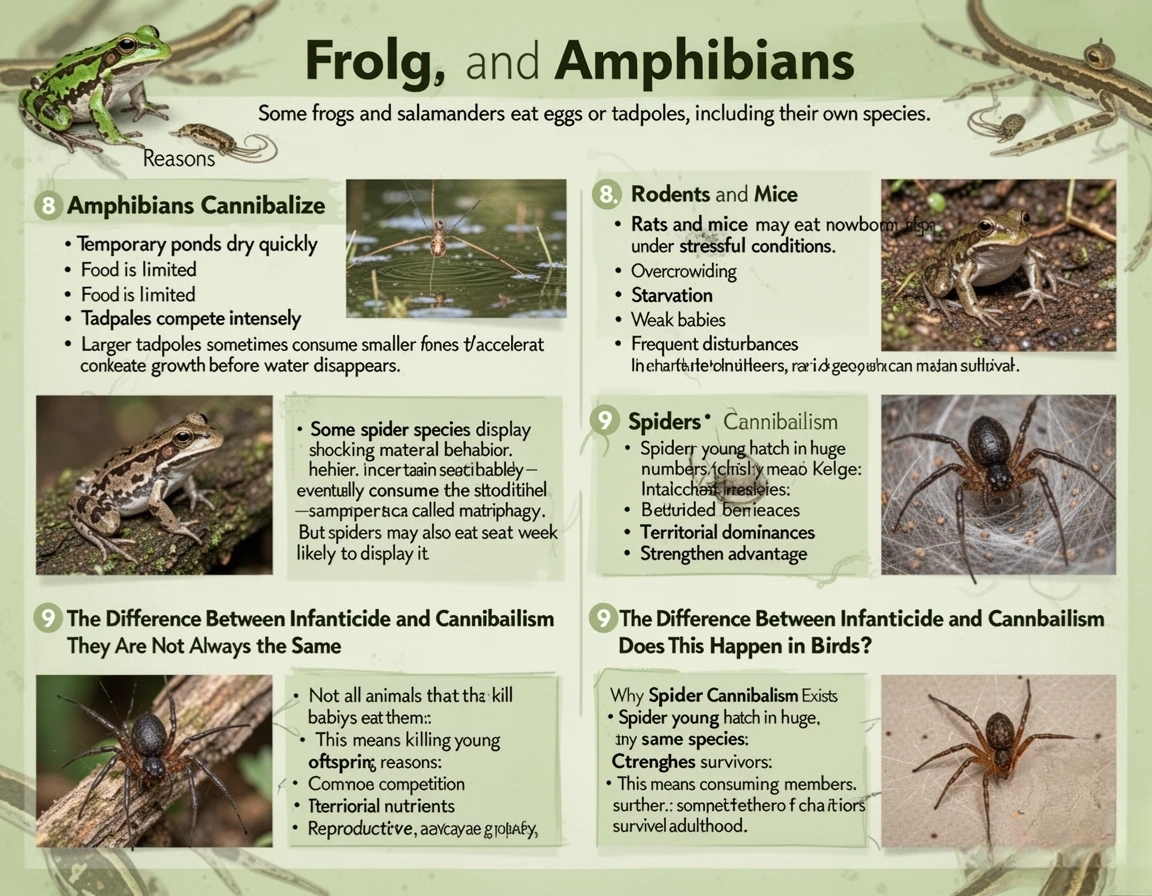
7. Frogs and Amphibians
Some frogs and salamanders eat eggs or tadpoles, including their own species.
Reasons Amphibians Cannibalize
Temporary ponds dry quickly
Food is limited
Tadpoles compete intensely
Larger tadpoles sometimes consume smaller ones to accelerate growth before water disappears.
In harsh environments, rapid growth can mean survival.
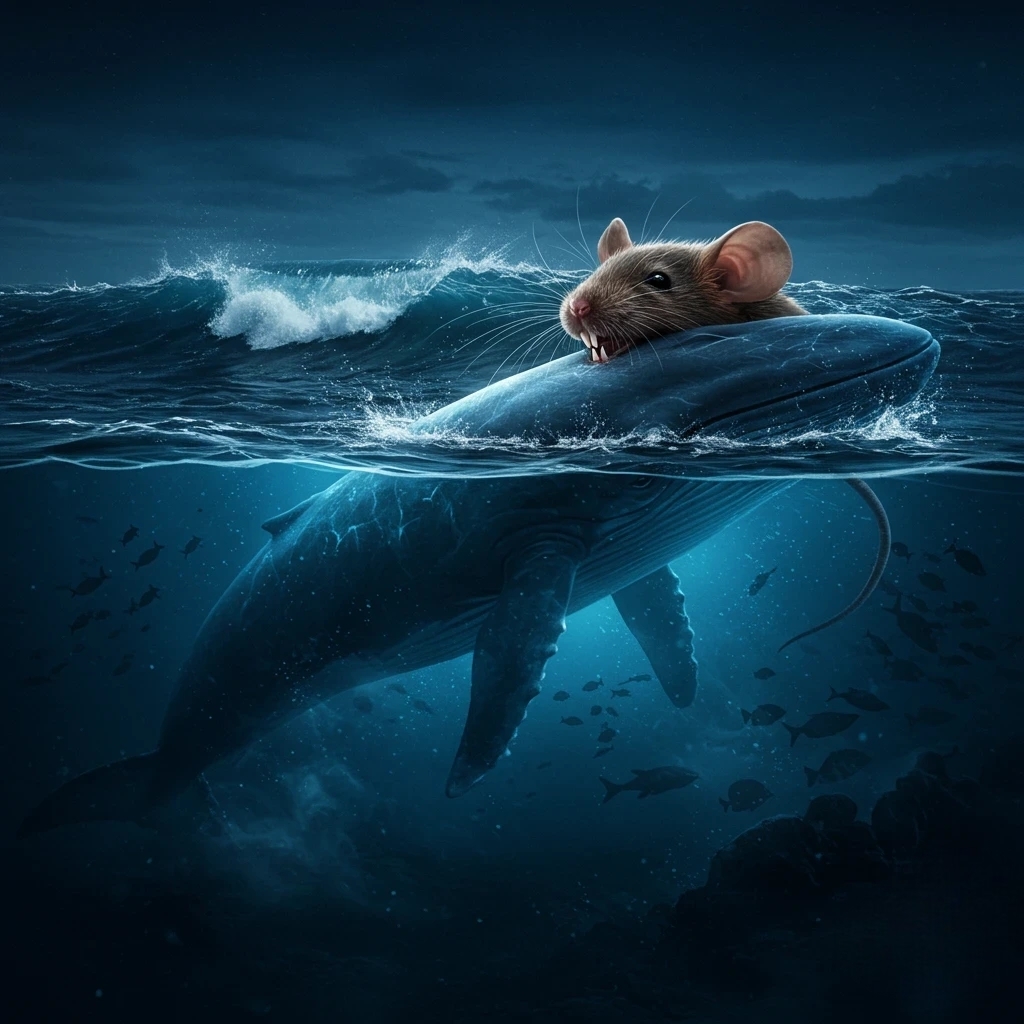
8. Rodents and Mice
Rats and mice may eat newborn offspring under stressful conditions.
Common Triggers
Overcrowding
Starvation
Fear
Weak babies
Frequent disturbances
Laboratory researchers have studied this behavior extensively.
First-time mothers are more likely to display it.
9. Spiders
Some spider species display shocking maternal behavior.
In certain species, babies eventually consume the mother herself—a process called matriphagy.
But spiders may also eat weak offspring or unhatched eggs.
Why Spider Cannibalism Exists
Spider young hatch in huge numbers.
Cannibalism helps:
Reduce competition
Provide nutrients
Strengthen survivors
For many spider species, only a tiny fraction survive adulthood.
The Difference Between Infanticide and Cannibalism
They Are Not Always the Same
Not all animals that kill babies eat them.
Infanticide
This means killing young offspring.
Common reasons:
Competition
Territorial dominance
Reproductive advantage
Cannibalism
This means consuming members of the same species.
Sometimes both behaviors occur together.
Does This Happen in Birds?
Yes—Though Less Common
Some bird species destroy or consume eggs or chicks.
Examples include:
Gulls
Herons
Eagles
Domestic chickens
Why Birds Do This
Common reasons include:
Starvation
Weak chicks
Nest overcrowding
Limited food
Birds often prioritize the strongest chicks during difficult seasons.
The Role of Evolution
Nature Rewards Survival, Not Kindness
Evolution does not care about morality.
Traits survive if they help genes continue into future generations.
If eating offspring increases long-term reproductive success, the behavior may remain in the species.
This can feel disturbing from a human perspective, but in evolutionary biology, survival efficiency matters more than emotional attachment.
Cannibalism in the Animal Kingdom Is More Common Than You Think
Scientists Have Recorded It Across Hundreds of Species
Cannibalism exists in:
Mammals
Fish
Reptiles
Birds
Insects
Arachnids
Amphibians
Researchers believe it may be more widespread than previously understood because many events occur in hidden environments.
Does Cannibalism Help Species Survive?
Surprisingly, Sometimes Yes
Although brutal, cannibalism can provide benefits.
Potential Advantages
Removes sick offspring
Conserves energy
Reduces competition
Provides emergency nutrition
Strengthens surviving young
In unstable ecosystems, these advantages can increase survival rates.
How Climate Change May Increase These Behaviors
Rising Environmental Stress Matters
Scientists are studying how environmental disruption affects animal behavior.
Increasing stress factors include:
Habitat destruction
Food shortages
Heatwaves
Melting ice
Droughts
As survival becomes harder, desperate behaviors may become more frequent.
Polar bears are one well-known example linked to changing conditions.
Human Reactions to Animal Cannibalism
Why We Find It So Disturbing
Humans naturally react emotionally to parental violence.
We associate parenthood with:
Protection
Care
Sacrifice
Love
Seeing animals consume offspring clashes with these instincts.
But applying human morality to wildlife can create misunderstanding.
Animals do not operate according to human ethics.
The Science Behind “Parental Investment”
Parents Must Balance Risk and Reward
Biologists use the term parental investment to describe how much energy parents invest in offspring.
Every baby requires:
Food
Protection
Energy
Time
If raising certain offspring threatens survival of the parent or healthier siblings, evolution may favor abandoning or eliminating weaker young.
This harsh balance exists throughout nature.
Extreme Examples of Survival in Nature
Nature Can Be Shockingly Ruthless
Filial cannibalism is only one example of brutal survival strategies.
Other shocking behaviors include:
Parasites controlling host brains
Sibling cannibalism
Sexual cannibalism
Abandonment of weak offspring
Predators eating newborn animals alive
Nature is not designed to be emotionally comforting. It is shaped by survival pressure.
Common Myths About Animals Eating Their Babies
Myth 1: It Means the Animal Is “Evil”
False.
Animals do not understand morality the way humans do.
These behaviors are instinctive survival responses.
Myth 2: Only Aggressive Animals Do This
False.
Even gentle-looking animals like hamsters, fish, and frogs may cannibalize offspring.
Myth 3: It Only Happens in Captivity
False.
Although stress increases it in captivity, filial cannibalism also occurs naturally in the wild.
What Scientists Continue to Study
Many Mysteries Remain
Researchers still investigate:
Hormonal triggers
Environmental pressures
Genetic influences
Brain chemistry
Survival outcomes
Modern wildlife cameras and tracking technologies are helping scientists observe these hidden behaviors more closely than ever before.
Conclusion
The idea of animals eating their own babies is deeply unsettling. It challenges our emotional understanding of parenthood and forces us to confront the brutal realities of survival in nature.
Yet these behaviors are not acts of cruelty in the human sense.
They are evolutionary strategies shaped by hunger, stress, competition, and survival pressure. In the unforgiving wild, every calorie matters, every weakness carries risk, and not every offspring can survive.
From hamsters and fish to sharks and polar bears, filial cannibalism reveals a darker side of nature that most people rarely see. But it also highlights an important truth:
Nature is not built around fairness or emotion—it is built around survival.
And sometimes, survival comes at a shocking cost.
Frequently Asked Questions (FAQs)
Why do animals eat their own babies?
Animals may eat their offspring because of stress, starvation, weak babies, overcrowding, or survival instincts. In many species, it helps conserve energy or improve survival chances for stronger offspring.
What is filial cannibalism?
Filial cannibalism is when a parent consumes its own offspring, including eggs, embryos, or newborn babies.
Which animals are most known for eating their babies?
Common examples include:
Hamsters
Fish
Rodents
Frogs
Spiders
Polar bears
Lions
Sharks
Do animals feel guilt after eating their babies?
There is no scientific evidence that animals experience guilt the same way humans do. Most such behaviors are instinct-driven survival responses.
Is cannibalism common in nature?
Yes. Cannibalism has been recorded in hundreds of animal species across many ecosystems worldwide.
Does climate change increase cannibalistic behavior?
Scientists believe environmental stress caused by climate change—such as food shortages and habitat loss—may increase aggressive survival behaviors in some species.

You must be logged in to post a comment.