
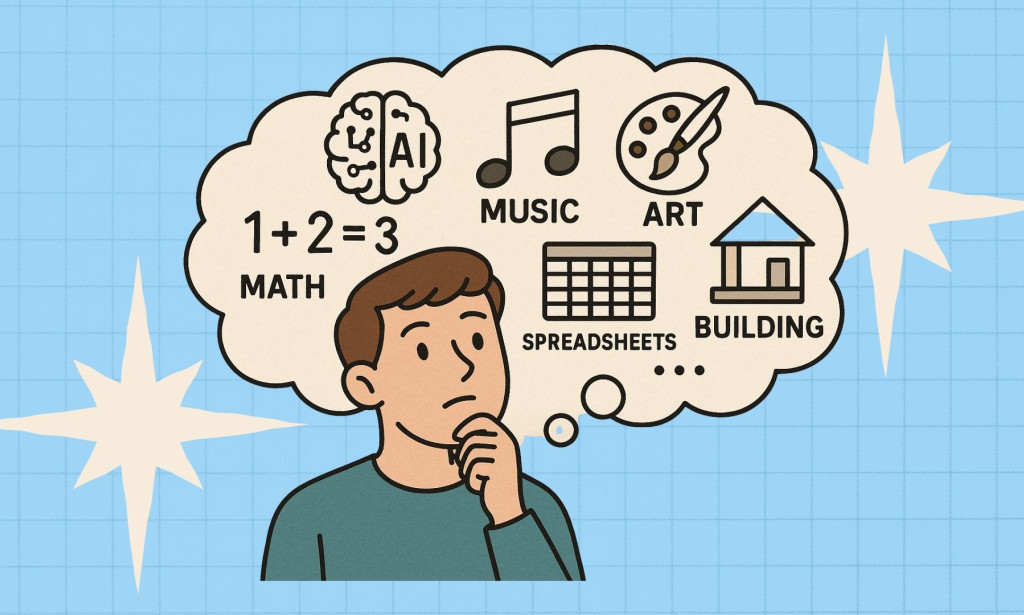
In today’s fast-moving digital world, artificial intelligence (AI) and process automation are transforming nearly every industry. From banking and healthcare to education and transportation, machines are now capable of handling tasks that once required human effort. While many people fear that technology will replace humans, the bigger question is this: What if AI is actually giving us the opportunity to become more human again?
The Rise of Intelligent Automation
Process automation began with simple repetitive tasks. Companies used software to organize records, send emails, process payments, and manage workflows faster than manual systems ever could. Today, AI has taken automation to another level. Machines can now analyze data, predict outcomes, recognize speech, generate content, and even interact with customers in real time.
Businesses love automation because it saves time, reduces costs, and improves accuracy. A customer service chatbot can answer thousands of questions in seconds. AI-powered systems can detect fraud faster than humans. Hospitals can use AI to help diagnose diseases earlier. The possibilities are endless.
But behind all the innovation lies an important truth: technology is not the real hero — people are.
The Human Side of Technology
The purpose of AI should never be to remove humanity from work and life. Instead, it should remove unnecessary stress, repetitive labor, and inefficiency so humans can focus on creativity, empathy, and meaningful problem-solving.
Imagine a teacher spending less time grading papers because AI handles the administrative work. That teacher can now spend more time mentoring students. Imagine doctors using AI to process medical data faster, allowing them to focus more on patient care and emotional support. In this way, automation does not replace human value — it amplifies it.
Technology becomes dangerous only when humans stop being part of the equation.
The Risk of Losing Connection
As automation grows, society faces a new challenge: maintaining human connection in a digital age. Many people now interact more with screens than with each other. Automated systems can improve convenience, but they cannot replace compassion, understanding, or emotional intelligence.
A robot may answer a question correctly, but it cannot truly understand pain, hope, fear, or love the way humans do. AI can generate words, but humans create meaning. That is why the future of technology must include ethics, responsibility, and emotional awareness.
The smartest companies in the future will not only build intelligent systems — they will build systems that protect human dignity.
Preparing for the Future
The rise of AI also means the workforce must evolve. Instead of fearing automation, people should focus on developing skills that machines struggle to replicate: creativity, leadership, communication, emotional intelligence, and critical thinking.
Technology changes tools, but it does not eliminate purpose. Every generation adapts to innovation, and this generation is no different. The goal is not to compete with machines, but to learn how to work alongside them.
Students, professionals, and entrepreneurs must embrace lifelong learning. The future belongs to people who can combine technical knowledge with human understanding.


Just got it
You must be logged in to post a comment.