

Think about how your grandparents paid for things. Cash in hand, face to face. Today, you can send money across the country in seconds without leaving your house. Money has changed more in the last 20 years than in the 200 before it. Here is how, and what it means for you.
A quick history of money
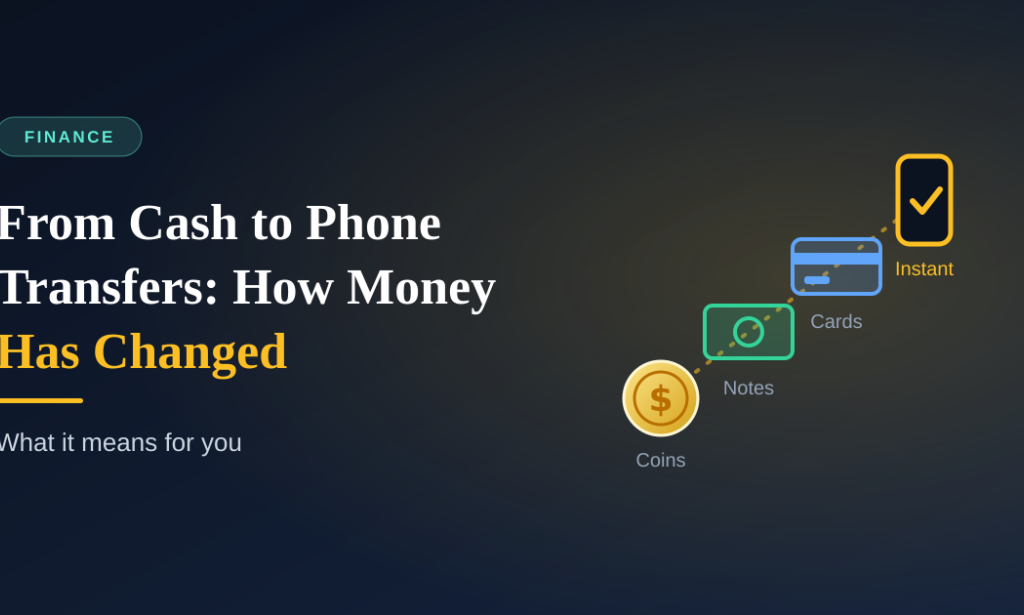
People first traded goods directly, like swapping yams for fish. Later, coins and paper notes made trade easier. Then banks, cards and cheques moved money without carrying cash. Now, mobile apps and instant transfers let anyone with a phone send or receive money almost immediately.
Nigeria is a good example
According to a report covered by TechCabal, nearly 11 billion transactions went through the NIBSS Instant Payment platform in 2024, more than double the roughly 5 billion in 2022. That shows how quickly Nigerians have moved to digital payments.
But not everyone is included. The same report notes that about 26% of Nigerian adults are financially excluded, including around 37% in rural areas and nearly 47% in the north. This means the digital money revolution is real, but it has not reached everyone equally.
How it helps
• Speed and convenience. Sending money takes seconds, not a trip to the bank.
• Less cash to carry. There is less risk of robbery or losing physical notes.
• New opportunities. Small businesses, freelancers and online sellers can be paid easily, even by customers in other places.
• Records. Transfers leave a trail, which helps you track your spending and prove payments.
The downsides
• It feels less real. Tapping a screen doesn't feel like handing over notes, so many people overspend without noticing.
• Scams have grown too. Nigeria's SEC has warned about fake investment platforms promoted on WhatsApp, Instagram, TikTok and other channels. Fast money moves also make fraud faster.
• The digital divide. People without a phone, ID, network coverage or digital skills are left behind.
• Dependence on networks. When the network or an app goes down, it can be hard to pay.
How to protect yourself
1. Never share your PIN, OTP or card details with anyone, even someone claiming to be from your bank.
2. Check the person or platform before sending money, especially for "investments."
3. Track your spending weekly so digital convenience doesn't drain your account.
4. Keep a small amount of cash for emergencies.
5. Use only registered, trusted apps.
Final thoughts
Money keeps evolving, and each change brings convenience and new risks. The people who benefit most are those who understand how the system works, stay careful and keep learning. Digital money is a good tool, as long as you stay in control of it.









































You must be logged in to post a comment.