
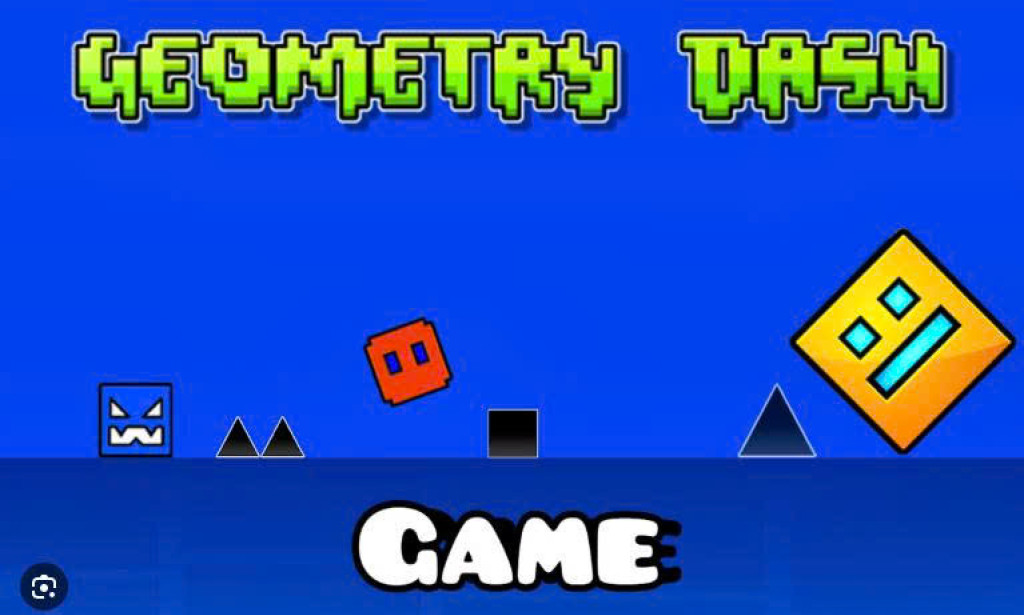
These experiences blend music, timing, and reflexes into something truly special. Let's dive into what makes these games tick and how you can actually enjoy them without pulling your hair out.
What Makes Geometry Jump Games So Captivating?
Geometry-based jumping games hit different because they combine multiple elements that shouldn't work together—but somehow do. You're navigating through obstacle courses where every spike, platform, and gap demands split-second timing. The magic happens when you match your movements with the beat of the background music, creating this hypnotic flow state that keeps you coming back.
Geometry Dash stands as the quintessential example of this genre. It's deceptively simple at first glance: tap to make a square jump and avoid obstacles. Yet within minutes, you realize there's so much more happening. The game respects your intelligence by introducing new mechanics gradually, from double jumps to gravity-flipping portals that turn your world upside down.
Understanding the Gameplay Mechanics
The basic premise is straightforward, but the execution demands real skill. Your character automatically moves forward, and your job involves controlling the vertical movement. Timing is everything. Jump too early, and you'll crash into an obstacle ahead. Jump too late, and you'll plummet into spikes below. There's no middle ground—it's success or restart.
What's brilliant about these games is how they layer complexity. Early levels teach you fundamentals, but progressively, new elements appear. You'll encounter sections where gravity inverts, making up become down. Portals might make you tiny or massive. Wave sections require you to navigate through narrow corridors while your character flies in a wavy pattern you can't directly control. Ship segments have you flying upside down, and cube sections bring you back to ground-based jumping.
Each mechanic forces you to rewire your brain and muscle memory. Just when you've mastered jumping as a cube, suddenly you're a wave floating through the air, and everything feels foreign again. This constant evolution prevents the game from becoming monotonous, even across dozens of levels.
Practical Tips for Getting Better
Start with patient expectation-setting. Understand that early failures are completely normal and actually necessary. Your brain needs to see patterns and mistakes before it develops the reflexes required. Don't expect to beat challenging levels on your first try—or your hundredth. The most rewarding moments come after genuine struggle.
Focus on one section at a time. Levels are long, and trying to memorize everything simultaneously is overwhelming. Instead, pick a small segment and practice it repeatedly until muscle memory takes over. Once you've nailed the first part, move to the second section. This chunking approach makes seemingly impossible levels suddenly manageable.
Listen to the music actively. The soundtrack isn't just decoration—it's essential information. Many of the jumps sync with musical beats and rhythm changes. By tuning into the audio patterns, you'll anticipate obstacles more naturally. Professional players will tell you that feeling the beat is just as important as seeing the obstacles.
Watch experienced players without copying mindlessly. YouTube is filled with people clearing brutal levels. Watching these videos helps you understand optimal paths and timing, but avoid becoming a robot who merely copies movements. Instead, observe why they make certain decisions and when they perform actions relative to the music.
Take breaks when frustrated. Your brain actually needs rest periods to consolidate learning. Playing for three hours straight while stuck on one part isn't productive. Play for a while, then do something else. Often, when you return fresh, you'll suddenly nail what seemed impossible before.
Customize your settings. Most games in this genre offer visual adjustments, sound settings, and even difficulty modifiers. Don't feel pressured to play on default settings if they don't work for you. If you struggle with certain colors or visual elements, change them. If sound helps you perform better, turn it up.
The Beautiful Frustration-Reward Cycle
Here's what makes these games different from passive entertainment: they demand your complete attention and reward effort with genuine accomplishment. When you finally beat a level you've attempted dozens of times, that victory feels earned. Your hands literally worked with your brain to achieve something difficult.
This feedback loop is addictive in the healthiest possible way. The game never feels like it's cheating you. When you crash, you know it's because you mistimed something. That clarity—that accountability—is refreshing compared to games that blame poor design on you.
Final Thoughts
Geometry-based jumping games represent something pure in gaming: the satisfaction of mastering a skill through repetition and dedication. They're challenging without being unfair, engaging without being manipulative, and rewarding without needing expensive upgrades or battle passes.
Whether you're starting your journey or returning to these games after a break, approach them with patience and genuine curiosity. Pay attention to rhythms, respect the learning curve, and celebrate small victories. Before long, you'll experience those magical moments where everything clicks—where the music, the movement, and your response all align perfectly.
That's what keeps people coming back to experience geometry jump challenges over and over again.

You must be logged in to post a comment.