
The Parasite That Controls Minds — Nature’s Most Terrifying Animal Infection
Introduction
Imagine a parasite so powerful that it can hijack the brain of another living creature and force it to behave in ways that increase the parasite’s own survival. It sounds like science fiction or a horror movie plot. Yet in nature, this terrifying phenomenon is real.
Across forests, oceans, rivers, and even inside human bodies, parasites have evolved extraordinary methods to manipulate hosts. Some make insects climb to their deaths. Others erase fear in animals, turning prey into easy meals. A few may even influence human behavior in ways scientists are still trying to understand.
Among all these disturbing organisms, one stands above the rest: the mind-controlling parasite. These creatures demonstrate one of evolution’s strangest strategies — controlling another animal like a biological puppet.
In this article, we explore the frightening world of mind-altering parasites, the science behind host manipulation, and why these infections are among nature’s most terrifying phenomena.
What Is a Mind-Controlling Parasite?
A mind-controlling parasite is an organism that alters the behavior, nervous system, or decision-making processes of its host to improve its own chances of survival and reproduction.
Unlike ordinary parasites that simply steal nutrients, these organisms actively manipulate behavior.
They may influence:
Movement patterns
Fear responses
Social behavior
Reproductive actions
Feeding habits
Sleep cycles
Risk-taking decisions
The result is often horrifying: infected animals acting against their own survival.
Scientists call this parasite-induced behavioral manipulation.
How Parasites Hijack Animal Brains
Chemical Manipulation
Some parasites release chemicals affecting neurotransmitters.
These chemicals interfere with signals such as:
Dopamine
Serotonin
GABA
Norepinephrine
The host’s brain begins operating differently.
Fear disappears.
Instinct changes.
Behavior becomes abnormal.
Nervous System Invasion
Certain parasites physically invade nerve tissue.
Instead of sending chemicals from outside, they directly affect the brain or spinal system.
This allows more precise behavioral control.
Hormone Alteration
Parasites can also manipulate hormones.
By changing stress levels or reproductive signals, they force hosts into unusual actions benefiting the parasite.
The Zombie Ant Fungus — Nature’s Ultimate Puppet Master
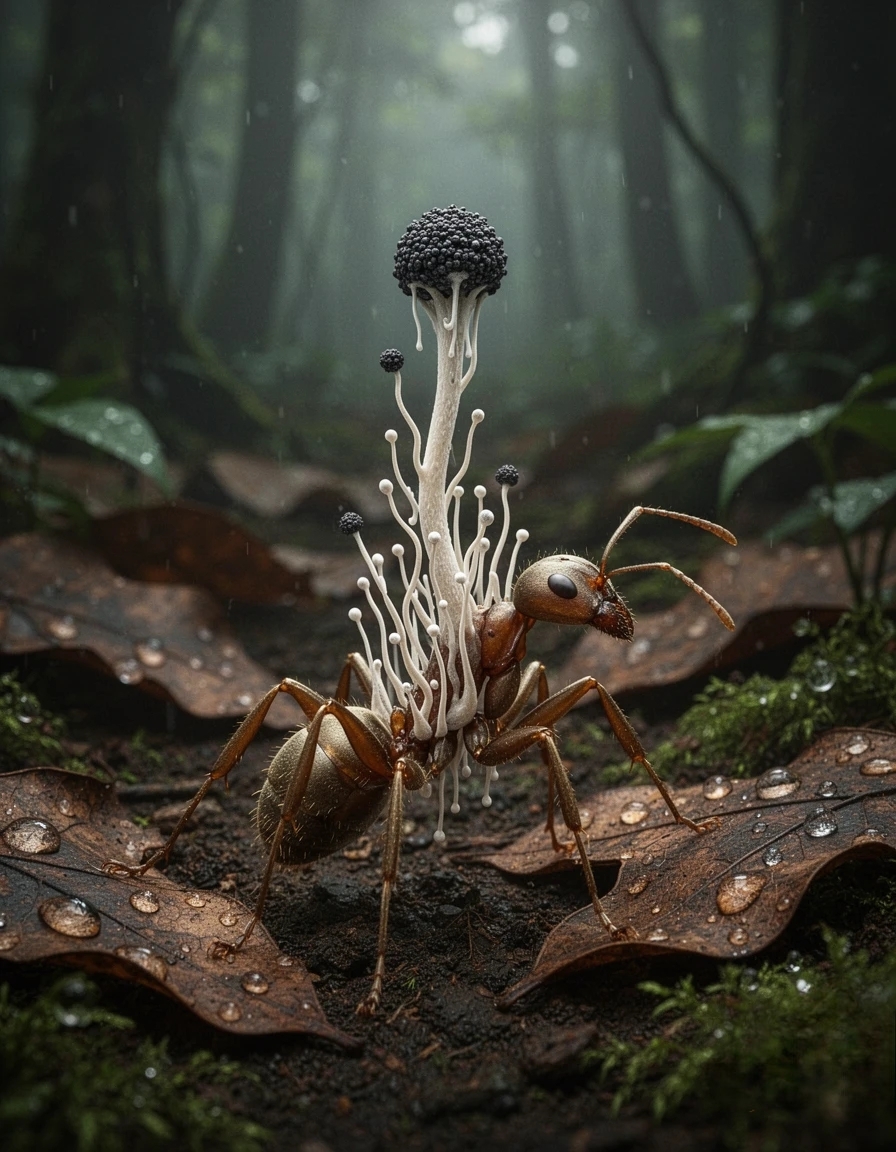
One of the most terrifying examples is the fungus Ophiocordyceps unilateralis.
This organism infects ants in tropical forests.
Its life cycle resembles a horror film.
Step 1: Infection
Fungal spores attach to an ant.
The fungus enters the body and begins spreading internally.
At first, the ant behaves normally.
Step 2: Brain Manipulation
Eventually the fungus alters behavior.
The infected ant abandons its colony.
It climbs vegetation alone.
Scientists call this the “death march.”
Step 3: Forced Suicide
The ant bites onto a leaf or stem.
Its jaws lock permanently.
The insect dies attached to the plant.
Step 4: Fungal Emergence
A stalk erupts from the dead ant’s body.
Spores spread and infect new victims.
The parasite turned the ant into a delivery system.
This is one of the clearest examples of biological mind control ever observed.
The Parasite That Removes Fear — Toxoplasma gondii
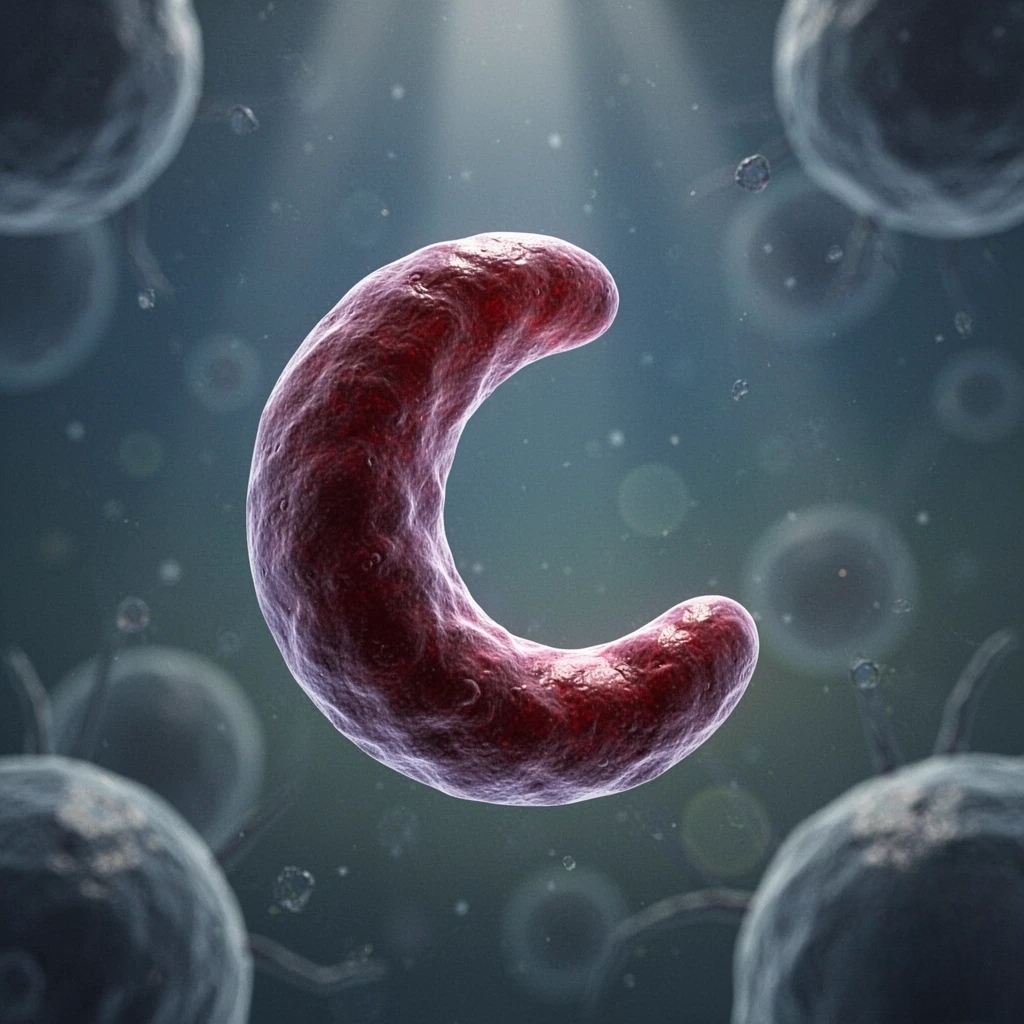
Perhaps the most famous mind-altering parasite is the protozoan Toxoplasma gondii.
This microscopic parasite infects many animals, including humans.
Cats are its final host.
But rodents play a critical role.
The Mouse Trap Strategy
Normally mice fear cat odor.
It keeps them alive.
But infected mice behave differently.
Research discovered infected rodents lose their fear of cats.
Some may even become attracted to cat scent.
This dramatically increases the chance of being eaten.
Exactly what the parasite wants.
Once inside the cat, reproduction continues.
Could Humans Be Affected?
Humans can carry Toxoplasma gondii.
Scientists estimate billions worldwide have been infected.
Possible associations under investigation include:
Risk-taking behavior
Slower reaction times
Personality changes
Altered fear responses
Evidence remains debated.
Scientists have not proven dramatic human mind control.
However, the possibility continues to fascinate researchers.
The Hairworm — Turning Insects Into Suicidal Hosts
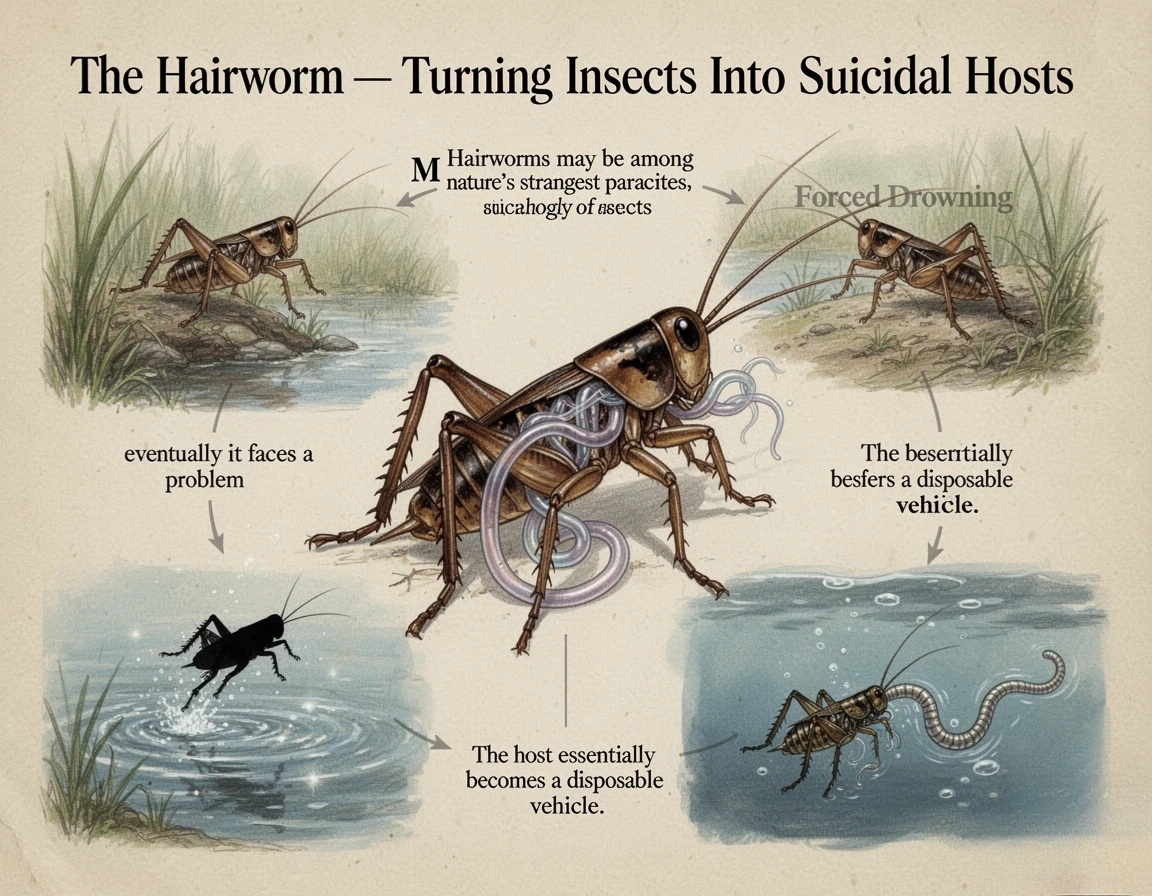
Hairworms may be among nature’s strangest parasites.
They begin life inside insects such as crickets.
The worm grows within the host’s body.
Eventually it faces a problem.
Hairworms reproduce in water.
Crickets do not live there.
The solution?
Control the host.
Forced Drowning
Infected crickets suddenly move toward water.
Some leap directly into ponds or streams.
The insect drowns.
The parasite emerges and swims away.
Without manipulation, the worm could never complete its life cycle.
The host essentially becomes a disposable vehicle.
The Lancet Liver Fluke and the “Zombie Ant” of Grasslands
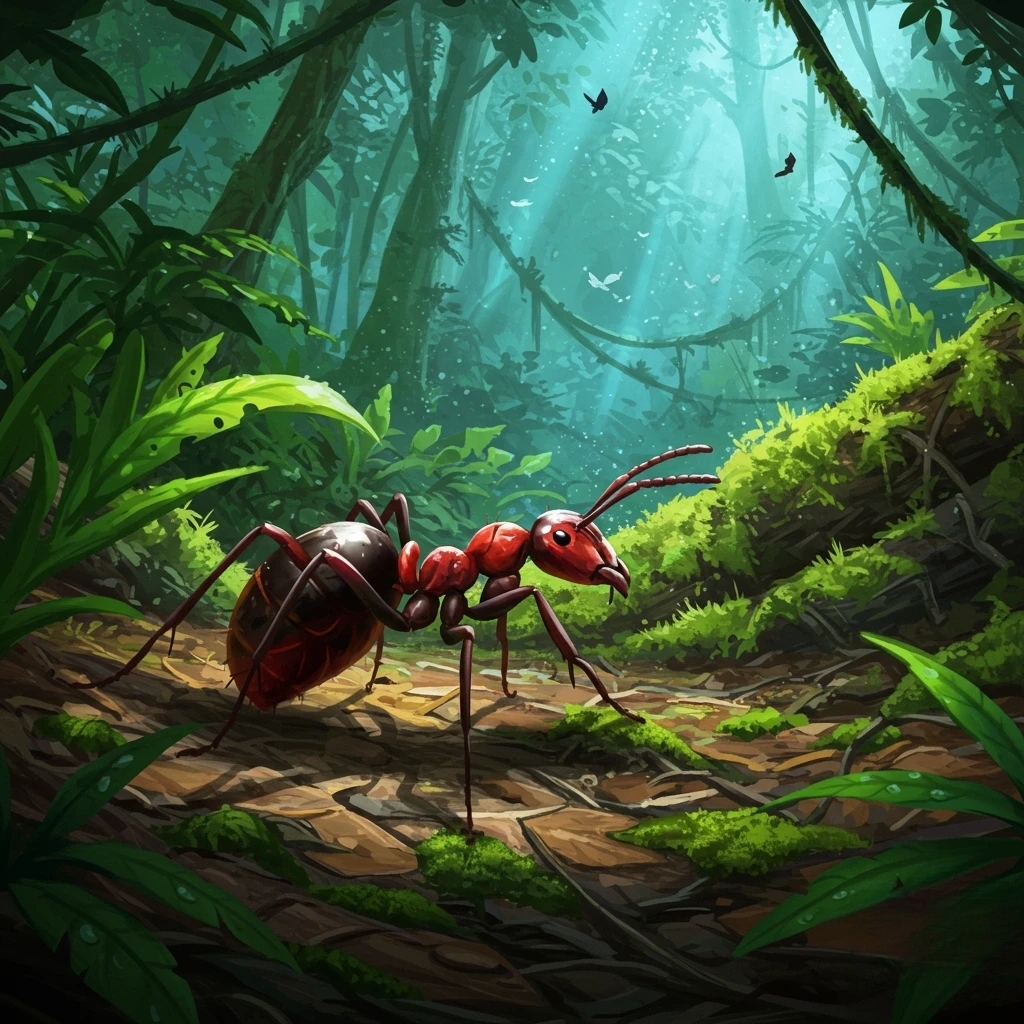
The parasite Dicrocoelium dendriticum infects ants in a bizarre way.
Its final host is usually grazing mammals.
But it must first move through ants.
After infection:
Ants climb grass blades
They lock their jaws onto vegetation
They remain exposed overnight
This increases the chance of being eaten by sheep or cattle.
When the animal grazes, the parasite reaches its destination.
The ant becomes living bait.
The Jewel Wasp — Brain Surgery on Cockroaches
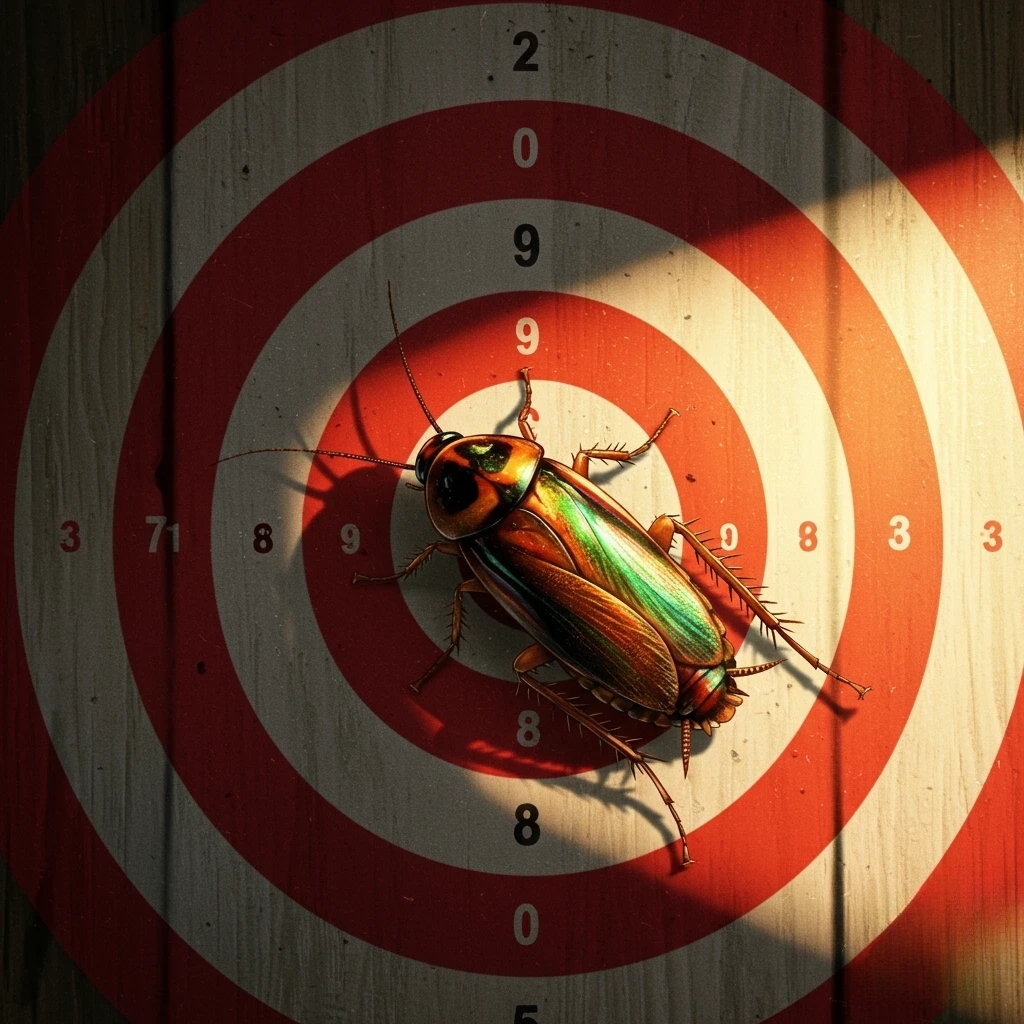
The jewel wasp performs something resembling biological neurosurgery.
Female wasps attack cockroaches.
They inject venom into precise brain regions.
The cockroach survives.
But behavior changes dramatically.
The Living Prisoner
Instead of fleeing, the cockroach becomes passive.
The wasp leads it by the antenna like a pet.
Eventually:
The cockroach enters a burrow
Wasp eggs are laid
Larvae hatch
The host is eaten alive
The victim remains alive during much of the process.
This is among the most disturbing parasitic relationships known.
Parasitic Barnacles That Rewrite Crabs
The parasite Sacculina infects crabs.
It enters the body as a tiny larva.
Inside, it spreads root-like structures throughout tissues.
Gradually the crab changes.
Male crabs may even develop female-like behaviors.
The parasite manipulates reproductive systems.
Eventually the crab cares for parasite offspring as if they were its own.
The host loses control of reproduction entirely.
The Flatworm That Creates “Zombie Snails”
Some flatworms infect snails and transform their appearance.
One example creates colorful, pulsating structures inside eye stalks.
These resemble caterpillars.
Birds notice them easily.
The snail becomes highly visible.
Predators attack.
The parasite reaches its next host.
Meanwhile, infected snails continue moving in exposed areas rather than hiding.
Their survival instincts disappear.
Why Evolution Created Mind-Control Parasites
Mind control seems unbelievably complex.
Why evolve such strategies?
The answer is simple:
Survival efficiency.
Instead of searching randomly for hosts, parasites manipulate hosts to deliver themselves.
Benefits include:
Increased Transmission
Hosts move parasites exactly where needed.
Predator Delivery
Prey animals become easier targets.
Improved Reproduction
Parasites reach final hosts faster.
Energy Conservation
Manipulation reduces wasted effort.
Evolution favors anything increasing reproductive success.
Even behavioral hijacking.
Are Humans Vulnerable to Behavioral Parasites?
Humans are not immune to parasitic infection.
However, true mind control in humans remains unproven.
Scientists continue studying several organisms.
Possible candidates include:
Toxoplasma gondii
Potential links under study:
Risk behavior
Traffic accidents
Personality shifts
Results remain controversial.
Gut Parasites and Mood
The gut-brain axis affects emotions.
Some researchers suspect intestinal microbes influence:
Anxiety
Mood
Appetite
Social behavior
Research is still developing.
Neurotropic Parasites
Certain parasites invade the nervous system.
Examples include those causing:
Seizures
Cognitive symptoms
Neurological disease
These affect brain function but are not classic “mind controllers.”
Real Science vs Hollywood Horror
Movies often exaggerate parasitic control.
Real parasites do not create instant zombies.
Instead they alter:
Instincts
Movement
Hormones
Fear responses
The changes are subtle but powerful.
Nature achieves control through biology rather than supernatural force.
Ironically, reality is often stranger than fiction.
The Ecological Importance of Mind-Control Parasites
Despite their terrifying reputation, parasites play major ecological roles.
They help regulate populations.
They influence food webs.
They drive evolution.
Scientists estimate parasites represent a huge portion of Earth’s biodiversity.
Removing them entirely could destabilize ecosystems.
They may be frightening.
But they are also essential.
Could Parasites Inspire Future Medicine?
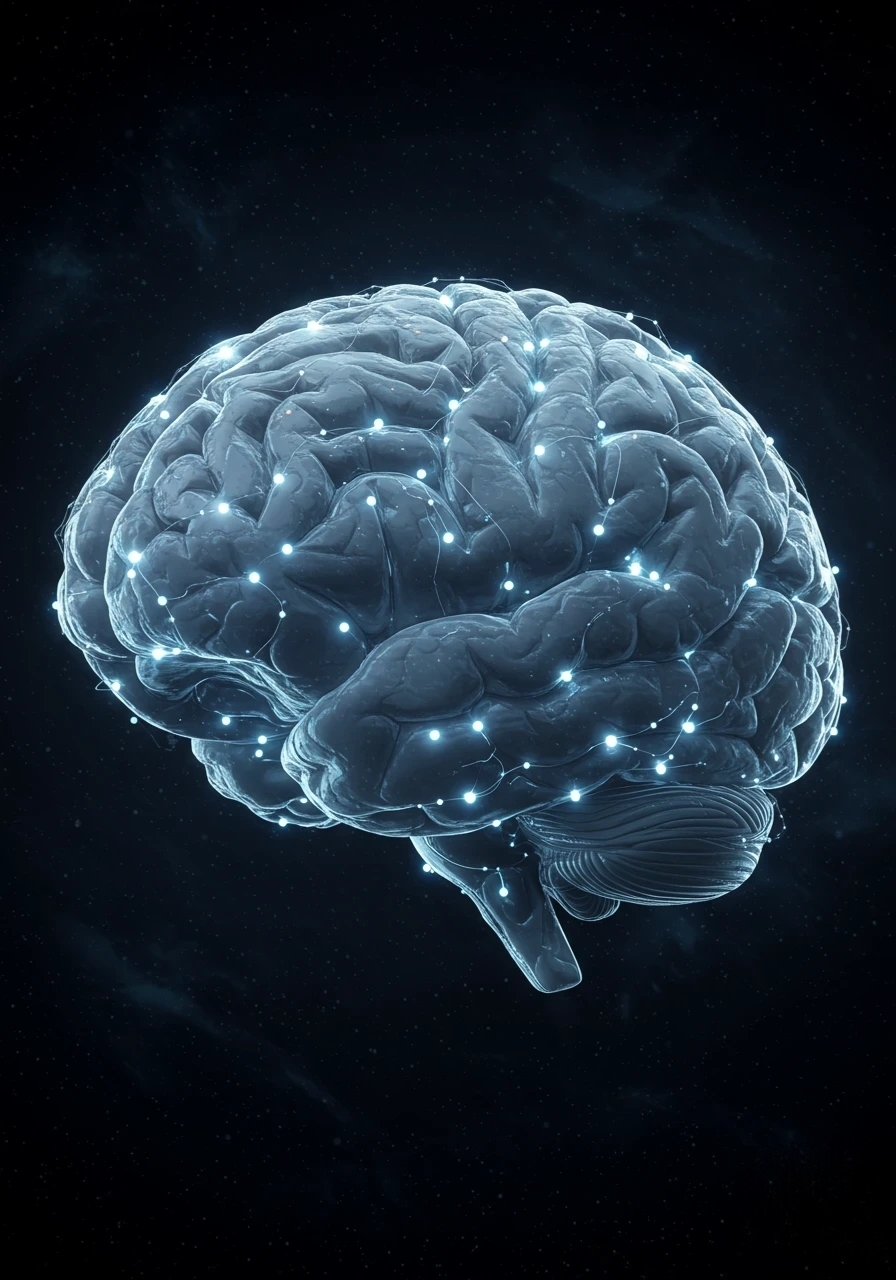
Surprisingly, mind-controlling parasites may help science.
Researchers study them to understand:
Brain Chemistry
How behavior changes occur.
Neurological Disorders
Manipulation mechanisms may reveal treatments.
Drug Development
Parasite molecules could inspire medicines.
Behavioral Biology
Scientists learn how brains create decisions.
The same organisms causing horror may unlock medical breakthroughs.
The Darkest Lesson From Nature
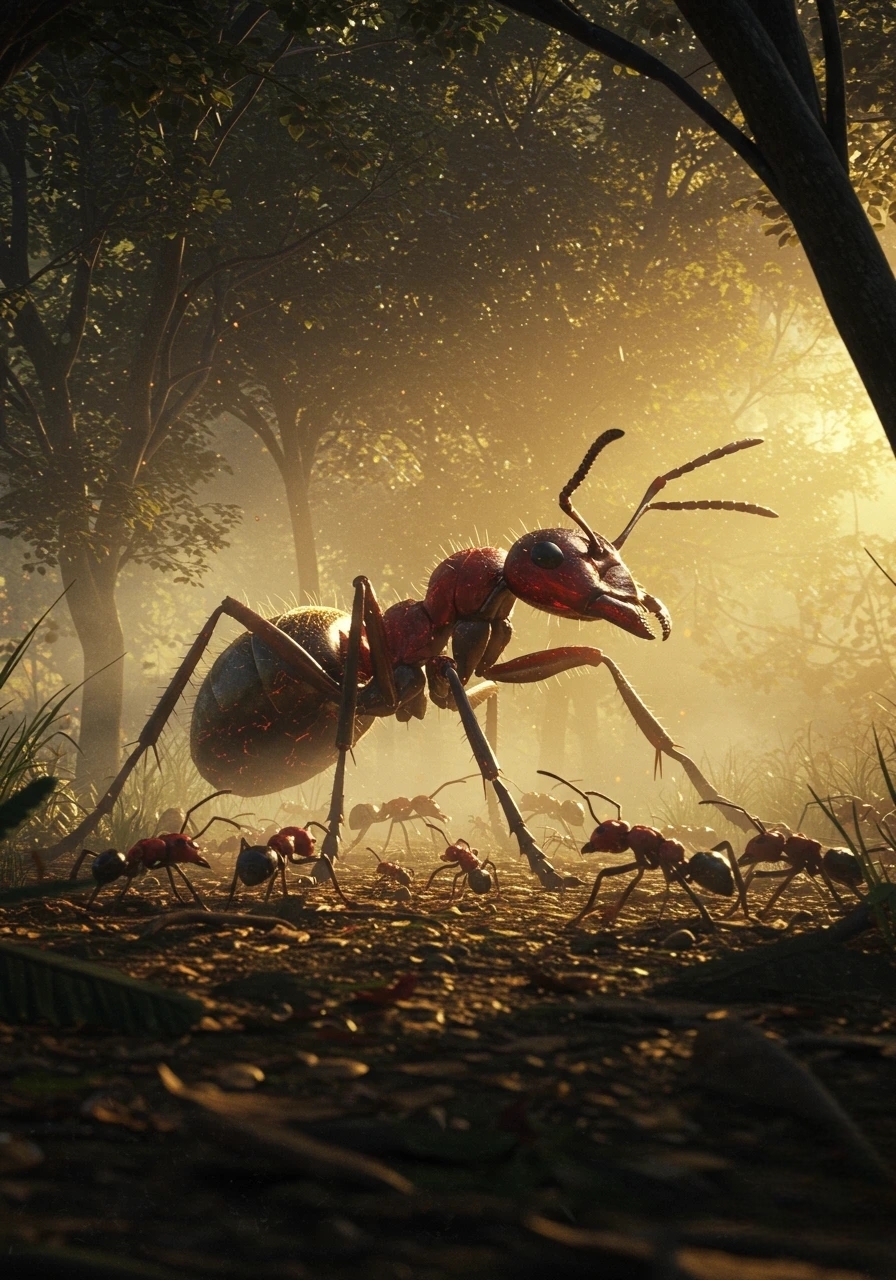
Mind-controlling parasites reveal an unsettling truth:
Behavior is biological.
What animals do is often shaped by chemistry, neurons, and invisible organisms.
Parasites exploit this weakness.
They rewrite instincts.
They redirect survival.
They turn living creatures into tools.
From zombie ants in rainforests to fearless mice approaching predators, evolution has created strategies more disturbing than many horror stories.
Nature does not need monsters.
It already built them.
Conclusion
“The Parasite That Controls Minds” is not fiction. Across the natural world, parasites manipulate hosts with astonishing precision.
Fungi force ants into death marches.
Protozoa alter fear.
Hairworms trigger suicide.
Wasps turn prey into living nurseries.
These infections demonstrate evolution at its most terrifying and ingenious.
They challenge our understanding of free will in animals and reveal how fragile behavior can be.
The next time you see an insect acting strangely in the wild, remember:
It may not be acting on its own.
Something else could be holding the strings.
Frequently Asked Questions (FAQs)
1. What is a mind-controlling parasite?
A mind-controlling parasite is an organism that changes the behavior of its host to improve its own survival or reproduction. It may alter movement, fear responses, feeding habits, or instincts, effectively influencing the host’s actions.
2. Which parasite is known for creating “zombie ants”?
The fungus is famous for infecting ants and manipulating their behavior. It forces infected ants to climb vegetation and attach themselves before the fungus grows and releases spores.
3. Can parasites really control animal behavior?
Yes. Scientists have documented several parasites that influence animal behavior. Examples include hairworms that drive crickets toward water and Toxoplasma gondii, which can reduce fear responses in infected rodents.
4. Can humans be affected by mind-controlling parasites?
Humans can be infected by certain parasites such as . Researchers have studied possible links to behavior and personality changes, but strong evidence of direct human “mind control” has not been proven.
5. Why do parasites manipulate their hosts?
Parasites manipulate hosts to complete their life cycles more efficiently. Behavioral changes can help them reach predators, reproduce, spread to new hosts, or survive longer.
6. Are mind-controlling parasites dangerous to ecosystems?
Although they seem frightening, parasites are important parts of ecosystems. They help regulate populations, influence food chains, and contribute to biodiversity and evolutionary processes.


You must be logged in to post a comment.