

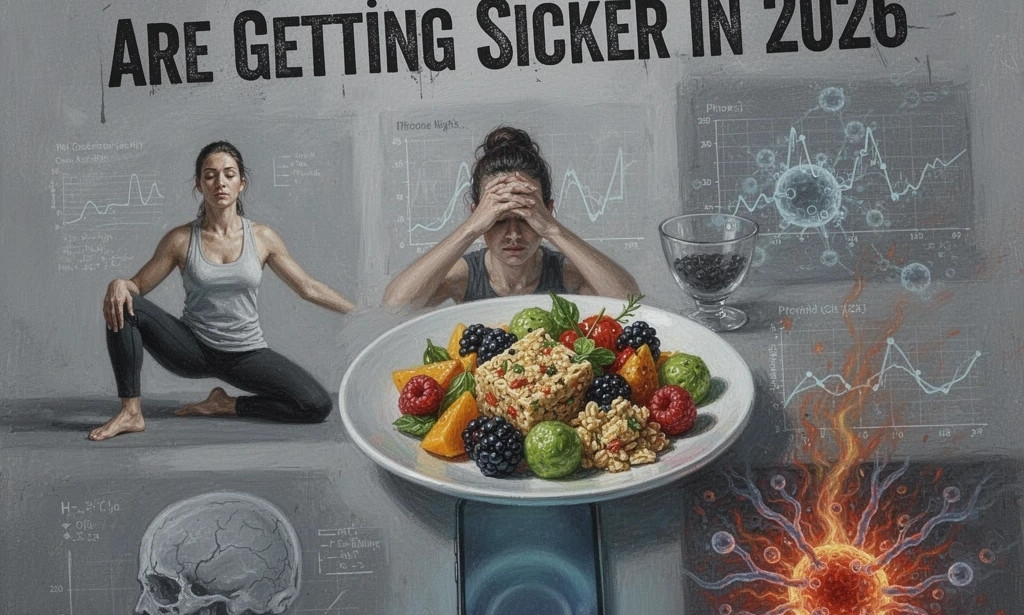
Why “Healthy People” Are Getting Sicker in 2026

Introduction
For decades, the definition of health seemed straightforward: eat nutritious food, exercise regularly, maintain a healthy weight, and avoid harmful habits like smoking. Yet in 2026, a surprising trend has emerged. Millions of people who appear healthy on the surface are reporting fatigue, chronic inflammation, digestive disorders, anxiety, sleep problems, hormonal imbalances, and metabolic diseases.
Many of these individuals work out several times a week, follow popular diets, and receive regular medical checkups. Despite these efforts, they often feel worse than expected. This paradox has sparked intense discussions among scientists, doctors, nutritionists, and public health experts.
So why are “healthy people” getting sicker?
The answer lies in a combination of modern lifestyle factors that were far less common just a few decades ago. Environmental toxins, ultra-processed foods, chronic stress, sleep deprivation, digital overload, and hidden metabolic dysfunction are creating a perfect storm that traditional health advice does not fully address.
This article explores the surprising reasons behind the growing health crisis affecting seemingly healthy individuals in 2026.
The Modern Health Paradox
Looking Healthy vs. Being Healthy
One of the biggest misconceptions today is that physical appearance equals health.
Someone may:
Have a normal body weight
Exercise regularly
Follow social media fitness trends
Eat “healthy” foods
Pass basic medical exams
Yet still suffer from:
Chronic inflammation
Nutrient deficiencies
Poor sleep quality
Hormonal disruption
Mental exhaustion
Early metabolic dysfunction
Health is far more complex than body weight or fitness levels.
The Rise of Hidden Illness
Modern medicine is increasingly recognizing conditions that develop silently for years before symptoms become obvious.
Examples include:
Insulin resistance
Fatty liver disease
Autoimmune disorders
Chronic inflammation
Cardiovascular disease
Hormonal imbalances
Many people are unknowingly living with these conditions while appearing healthy.
Ultra-Processed Foods Are Everywhere

Healthy Labels Can Be Misleading
Many foods marketed as healthy contain:
Artificial ingredients
Preservatives
Added sugars
Refined oils
Synthetic flavorings
Consumers often trust labels such as:
Organic
Low-fat
Sugar-free
High-protein
Natural
However, these terms do not always indicate genuine nutritional quality.
The Hidden Problem With Convenience Foods
Even health-conscious individuals increasingly rely on:
Protein bars
Meal replacement shakes
Packaged snacks
Ready-made meals
While convenient, many of these products contain ingredients linked to inflammation and poor metabolic health.
How Ultra-Processed Foods Affect the Body
Research suggests excessive consumption may contribute to:
Obesity
Diabetes
Heart disease
Digestive issues
Mental health disorders
These effects can occur even in physically active people.
Chronic Stress Is Damaging Health
The Stress Epidemic
Humans evolved to handle short-term stress.
Modern life creates constant stress from:
Work pressures
Financial concerns
Social media
News overload
Family responsibilities
Unlike ancient threats, today's stress rarely disappears.
Elevated Cortisol Levels
Chronic stress increases cortisol production.
Long-term cortisol elevation can lead to:
Weight gain
Poor sleep
Weakened immunity
Hormonal imbalances
Memory problems
Stress and Physical Disease
Studies increasingly link chronic stress to:
Heart disease
Autoimmune disorders
Digestive problems
Depression
Anxiety disorders
Many people underestimate how much stress impacts physical health.
Sleep Quality Is Collapsing

Sleeping More Doesn't Always Mean Sleeping Better
Many adults spend enough time in bed but still wake up exhausted.
Common sleep disruptors include:
Smartphones
Artificial lighting
Stress
Late-night eating
Irregular schedules
Why Sleep Matters
Sleep influences:
Immune function
Brain health
Hormone production
Metabolism
Cellular repair
Poor sleep can undermine even the healthiest lifestyle habits.
The Long-Term Consequences
Chronic sleep deprivation is associated with:
Diabetes
Cardiovascular disease
Obesity
Cognitive decline
Depression
Many experts consider poor sleep one of the biggest hidden health threats of the modern era.
Digital Overload Is Rewiring the Brain
The Average Person Is Constantly Connected
Smartphones, tablets, laptops, and wearable devices dominate daily life.
People spend hours each day:
Checking notifications
Watching videos
Browsing social media
Consuming news
This constant stimulation affects both mental and physical health.
The Dopamine Problem
Digital platforms are designed to capture attention.
Excessive screen use can contribute to:
Reduced concentration
Anxiety
Mood instability
Sleep disruption
Information Fatigue
The human brain evolved to process limited information.
Today, people consume more information in a single day than previous generations encountered in weeks.
This overload can increase stress and mental exhaustion.
Exercise Alone Cannot Offset Modern Lifestyle Risks
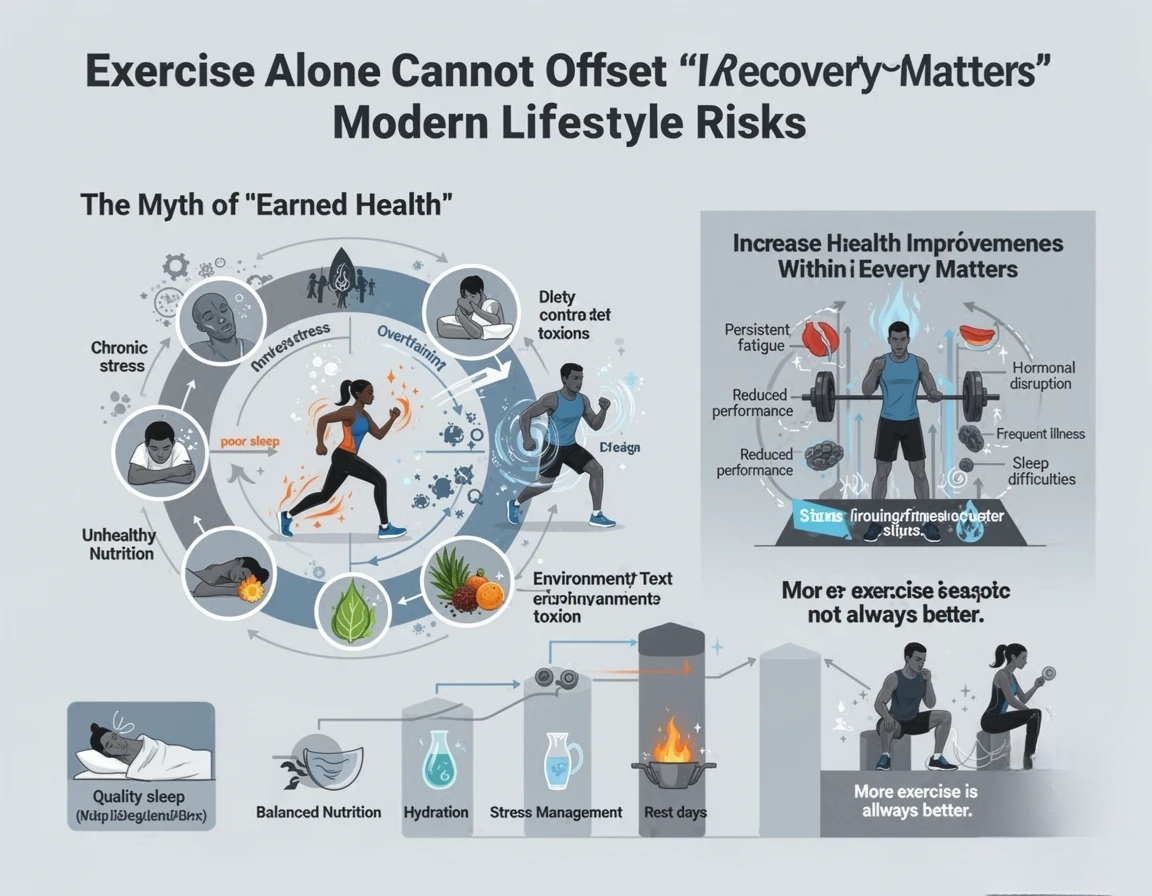
The Myth of “Earned Health”
Many people believe regular exercise compensates for unhealthy habits.
Unfortunately:
Exercise cannot eliminate chronic stress.
Exercise cannot fully reverse poor sleep.
Exercise cannot erase poor nutrition.
Exercise cannot remove environmental toxins.
Overtraining Is Increasing
Fitness culture often encourages extreme workouts.
Signs of overtraining include:
Persistent fatigue
Reduced performance
Frequent illness
Hormonal disruption
Sleep difficulties
More exercise is not always better.
Recovery Matters
Health improvements occur during recovery.
Essential recovery practices include:
Quality sleep
Balanced nutrition
Hydration
Stress management
Rest days
Environmental Toxins Are Increasing
Exposure Is Difficult to Avoid
Modern environments contain thousands of synthetic chemicals.
Common sources include:
Plastics
Cleaning products
Air pollution
Cosmetics
Pesticides
The Hidden Health Effects
Scientists are investigating links between environmental exposures and:
Hormonal disruption
Fertility problems
Cancer
Neurological disorders
Metabolic dysfunction
Microplastics Are Everywhere
Microplastics have been detected in:
Drinking water
Food
Air
Human blood
Human tissues
Researchers continue studying their long-term health effects.
Gut Health Is Under Attack
The Gut Microbiome Matters
Trillions of microorganisms live inside the digestive system.
They influence:
Immunity
Digestion
Brain function
Mood
Metabolism
Modern Lifestyle Factors Damaging Gut Health
These factors may disrupt the microbiome:
Processed foods
Antibiotic overuse
Chronic stress
Poor sleep
Lack of dietary fiber
The Gut-Brain Connection
Scientists increasingly recognize the relationship between gut health and mental health.
Poor gut function may contribute to:
Anxiety
Depression
Fatigue
Cognitive difficulties
Hidden Metabolic Dysfunction
You Can Be Thin and Metabolically Unhealthy
A growing number of people experience what researchers call “normal-weight metabolic obesity.”
These individuals:
Appear lean
Maintain normal weight
Still have metabolic problems
Warning Signs
Possible indicators include:
High blood sugar
Elevated triglycerides
Insulin resistance
Fatty liver disease
Why This Matters
Metabolic dysfunction increases the risk of:
Heart disease
Diabetes
Stroke
Cognitive decline
Body weight alone is not a reliable measure of health.
Loneliness and Social Isolation
The Unexpected Health Threat
Humans are highly social creatures.
Yet many people report feeling isolated despite being digitally connected.
The Health Impact
Research links loneliness to:
Increased stress
Depression
Anxiety
Heart disease
Weakened immunity
Quality Over Quantity
Meaningful relationships often matter more than the number of social connections.
Strong social support remains one of the most powerful predictors of long-term health.
The Mental Health Crisis
Anxiety Is Rising
Mental health challenges are affecting people across all age groups.
Contributing factors include:
Economic uncertainty
Social media comparison
Information overload
Global instability
Mental Health Affects Physical Health
Chronic psychological distress can influence:
Inflammation
Hormones
Immunity
Cardiovascular health
The mind and body are deeply connected.
Burnout Is Becoming Normalized
Many professionals experience:
Emotional exhaustion
Reduced motivation
Persistent fatigue
Burnout often develops gradually and can have serious health consequences.
Nutrient Deficiencies in Well-Fed Populations

More Calories, Fewer Nutrients
Modern diets often provide sufficient calories but inadequate nutrition.
Common deficiencies include:
Vitamin D
Magnesium
Iron
Omega-3 fatty acids
Vitamin B12
Soil Quality Concerns
Some researchers suggest modern agricultural practices may affect nutrient levels in certain foods.
Why Nutrients Matter
Deficiencies can contribute to:
Fatigue
Poor immunity
Brain fog
Mood disorders
Reduced physical performance
The Influence of Social Media Health Trends
Misinformation Is Everywhere
Health advice spreads rapidly online.
Popular trends may include:
Extreme fasting
Restrictive diets
Unverified supplements
Dangerous detox programs
The Pressure to Optimize Everything
Many people constantly chase:
Perfect nutrition
Perfect workouts
Perfect productivity
Ironically, this pursuit can increase stress and reduce well-being.
Health Anxiety
Constant exposure to health content can make people overly focused on symptoms and potential illnesses.
Why Traditional Health Advice Is No Longer Enough
Health Is Multifactorial
Modern health depends on many interconnected factors:
Nutrition
Sleep
Stress
Environment
Relationships
Mental health
Physical activity
Focusing on only one area may not produce lasting wellness.
Prevention Requires a Broader Approach
Experts increasingly recommend:
Whole-food nutrition
Consistent sleep routines
Stress reduction techniques
Social connection
Reduced exposure to toxins
Regular movement
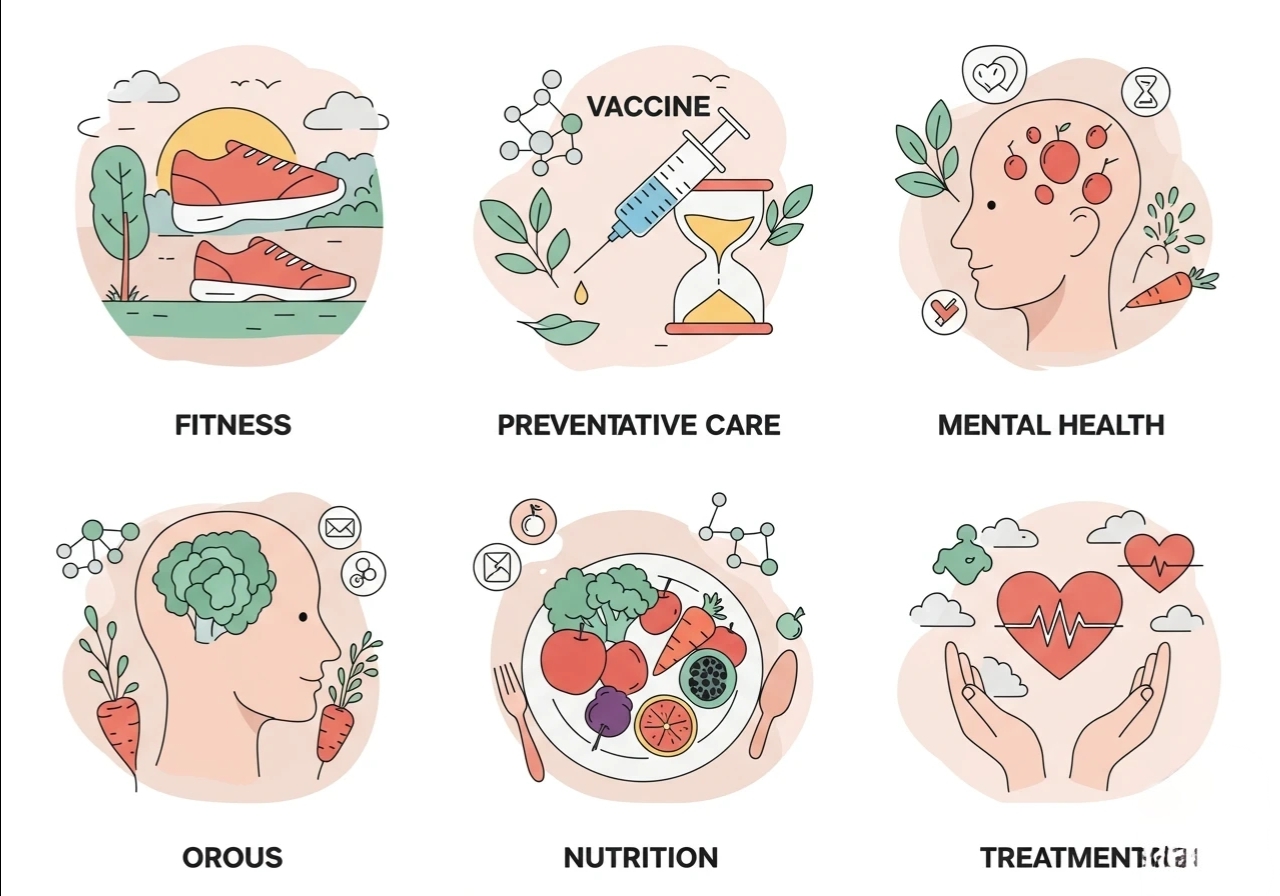
Health must be viewed as an integrated system rather than a checklist.
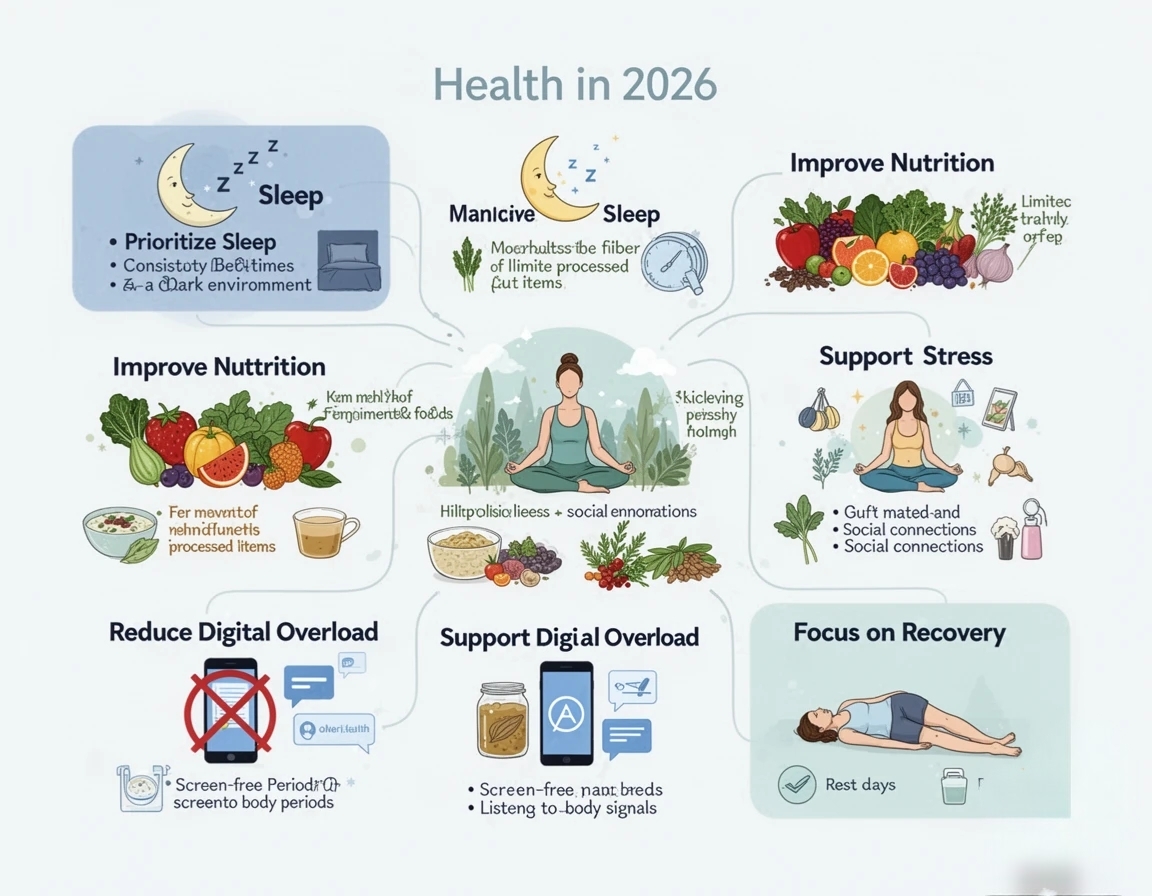
H2: How to Protect Your Health in 2026
Practical Steps
Consider the following habits:
Prioritize Sleep
Maintain consistent bedtimes
Reduce screen exposure before sleep
Create a dark sleeping environment
Improve Nutrition
Eat more whole foods
Increase fiber intake
Limit ultra-processed products
Manage Stress
Practice mindfulness
Spend time outdoors
Engage in hobbies
Maintain social connections
Support Gut Health
Eat fermented foods
Consume diverse plant foods
Avoid unnecessary antibiotics
Reduce Digital Overload
Schedule screen-free periods
Disable non-essential notifications
Take regular breaks from social media
Focus on Recovery
Allow rest days
Avoid excessive exercise
Listen to your body's signals
Conclusion
The reason many “healthy people” are getting sicker in 2026 is not a mystery of bad luck or genetics alone. Modern life has introduced new challenges that traditional definitions of health often fail to capture. Chronic stress, poor sleep, environmental toxins, digital overload, ultra-processed foods, hidden metabolic dysfunction, and declining mental well-being are affecting millions of people who outwardly appear healthy.
True health in 2026 requires more than simply exercising and eating a salad. It demands a holistic approach that considers the entire human experience—physical, mental, emotional, social, and environmental.
As science continues to reveal the hidden causes of modern illness, one lesson becomes increasingly clear: looking healthy and being healthy are not always the same thing.
Frequently Asked Questions (FAQs)
1. Why are healthy people developing chronic illnesses?
Many chronic illnesses are influenced by hidden factors such as chronic stress, poor sleep, environmental toxins, inflammation, and metabolic dysfunction that may not be visible externally.
2. Can exercise alone keep me healthy?
No. Exercise is important, but it cannot fully compensate for poor sleep, chronic stress, unhealthy nutrition, or environmental exposures.
3. What is hidden metabolic dysfunction?
It refers to metabolic problems such as insulin resistance or fatty liver disease that can occur even in people with normal body weight.
4. How does stress affect physical health?
Chronic stress can disrupt hormones, weaken immunity, increase inflammation, and raise the risk of cardiovascular disease and mental health disorders.
5. Why is gut health important?
The gut microbiome influences digestion, immunity, metabolism, and even mental health through the gut-brain connection.
6. What is the most important health habit in 2026?
There is no single habit, but consistently prioritizing sleep, stress management, whole-food nutrition, physical activity, and social connection provides the strongest foundation for long-term health.


You must be logged in to post a comment.