
You’re Seeing Your Veins Wrong: The Shocking Science Behind Why They Look Blue (And What It Reveals About Your Body)
Introduction
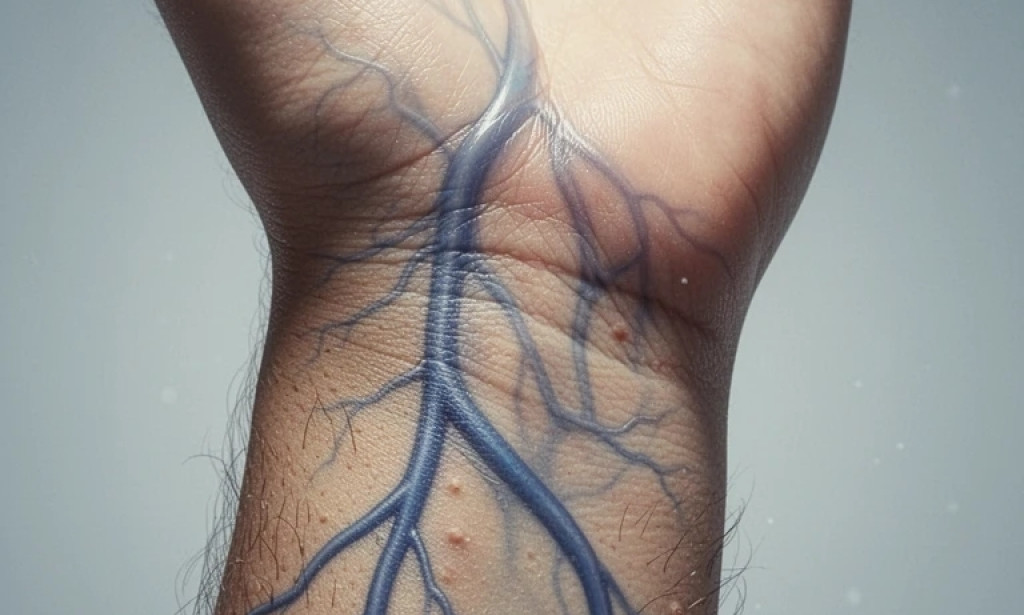
Take a quick look at your wrist. Those thin lines running beneath your skin probably appear blue or even purple. For years, many people have believed this is because blood inside veins is blue. It sounds logical—but it’s completely wrong.
The truth is far more fascinating.
Your veins are not blue. Your blood is never blue. What you’re seeing is a visual illusion created by the interaction of light, skin, and human biology. And once you understand the real science behind it, you’ll start seeing your body in a completely different way.
Even more surprising? The color of your veins can actually reveal subtle clues about your health, circulation, and skin composition.
In this deep-dive article, we’ll uncover the real reason veins look blue, debunk common myths, and explore what your veins might be trying to tell you.
H2: The Big Myth — Are Veins Actually Blue?
H3: The Short Answer
No, veins are not blue.
H3: Where the Myth Comes From
This misconception has been around for generations, often reinforced by:
Simplified school diagrams showing blue veins and red arteries
Visual appearance through the skin
Misunderstandings about oxygen levels in blood
H3: The Scientific Reality
All human blood is red—always.
Oxygen-rich blood: Bright red
Oxygen-poor blood: Dark red (but never blue)
Even inside veins, blood is a darker shade of red—not blue.
H2: So Why Do Veins Look Blue?
This is where things get interesting.
H3: It’s All About Light and Skin
The blue appearance of veins is caused by how light interacts with your skin and underlying tissues.
When light hits your skin:
Some wavelengths are absorbed
Some are scattered
Some penetrate deeper layers
H3: The Role of Light Wavelengths
Different colors of light behave differently:
Red light: Penetrates deeper into the skin
Blue light: Scatters more easily and reflects back
Because veins are located beneath the skin, the light that reflects back to your eyes creates the illusion of a blue color.
H3: Optical Illusion Explained
Here’s what’s really happening:
Skin absorbs longer wavelengths (like red)
Shorter wavelengths (like blue) are scattered back
Your eyes interpret this scattered light as blue
So what you see is not the vein’s true color—but a visual effect created by physics.
H2: The Role of Skin Thickness and Tone
H3: Why Some People See Veins More Clearly
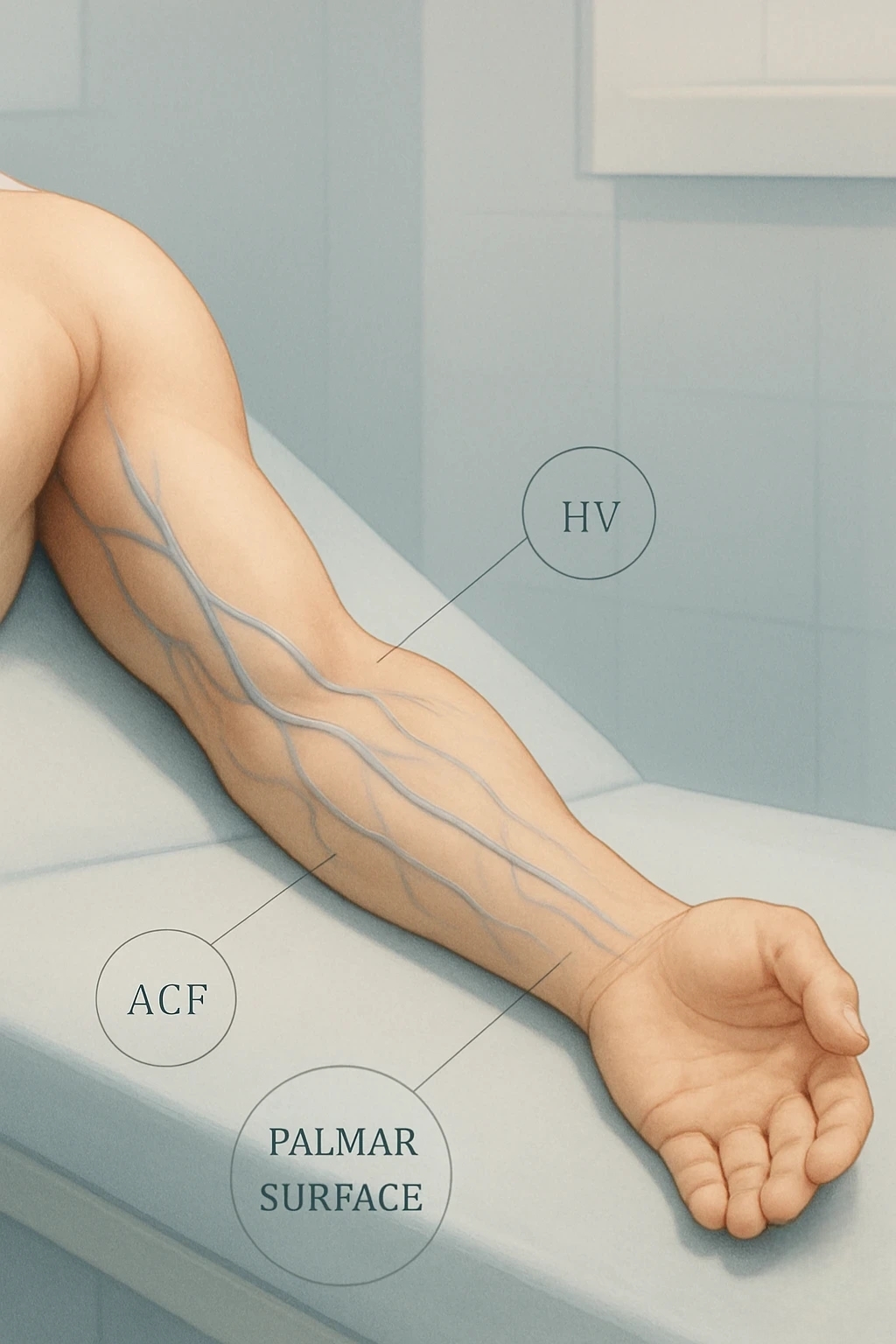
Not everyone sees their veins the same way. This depends on:
Skin thickness
Body fat percentage
Hydration levels
Genetics
People with thinner or lighter skin tend to see more prominent veins.
H3: How Skin Tone Affects Vein Color
Lighter skin: Veins often appear blue or purple
Darker skin: Veins may look greenish or less visible
This variation is due to how melanin affects light absorption and reflection.
H2: Why Veins Look Green Sometimes
H3: The Blue + Yellow Effect
If your veins look green, don’t worry—it’s still an illusion.
Here’s why:
Blue light from veins mixes with yellow tones in your skin
Your brain interprets this combination as green
H3: It’s Not a Health Issue
Green-looking veins are completely normal and not a sign of anything abnormal.
H2: The Difference Between Veins and Arteries
H3: Structure and Function
Your circulatory system includes:
Veins: Carry blood back to the heart
Arteries: Carry blood away from the heart
H3: Why You Don’t See Arteries
Arteries are usually deeper in the body and have thicker walls, which makes them less visible through the skin.
Veins, on the other hand:
Are closer to the skin surface
Have thinner walls
Are more visible
H2: What Your Veins Can Reveal About Your Body
While vein color itself is an illusion, vein visibility can provide useful clues.
H3: Hydration Levels
Prominent veins may indicate dehydration
Well-hydrated skin can make veins less noticeable
H3: Body Fat Percentage
Lower body fat = more visible veins
Higher body fat = veins appear less prominent
This is why athletes often have highly visible veins.
H3: Circulation and Blood Flow
Healthy circulation can influence how visible your veins are.
Signs of good circulation:
Warm extremities
Consistent skin tone
Moderate vein visibility
H2: When Vein Appearance Could Signal a Problem
While most vein changes are harmless, some may require attention.
H3: Warning Signs to Watch For
Sudden swelling in veins
Pain or tenderness
Bulging or twisted veins
Skin discoloration around veins
H3: Possible Conditions
These symptoms could indicate:
Varicose veins
Poor circulation
Blood clots
If you notice unusual changes, it’s important to consult a healthcare professional.
H2: Why Doctors Use Veins for Medical Procedures
H3: Easy Access
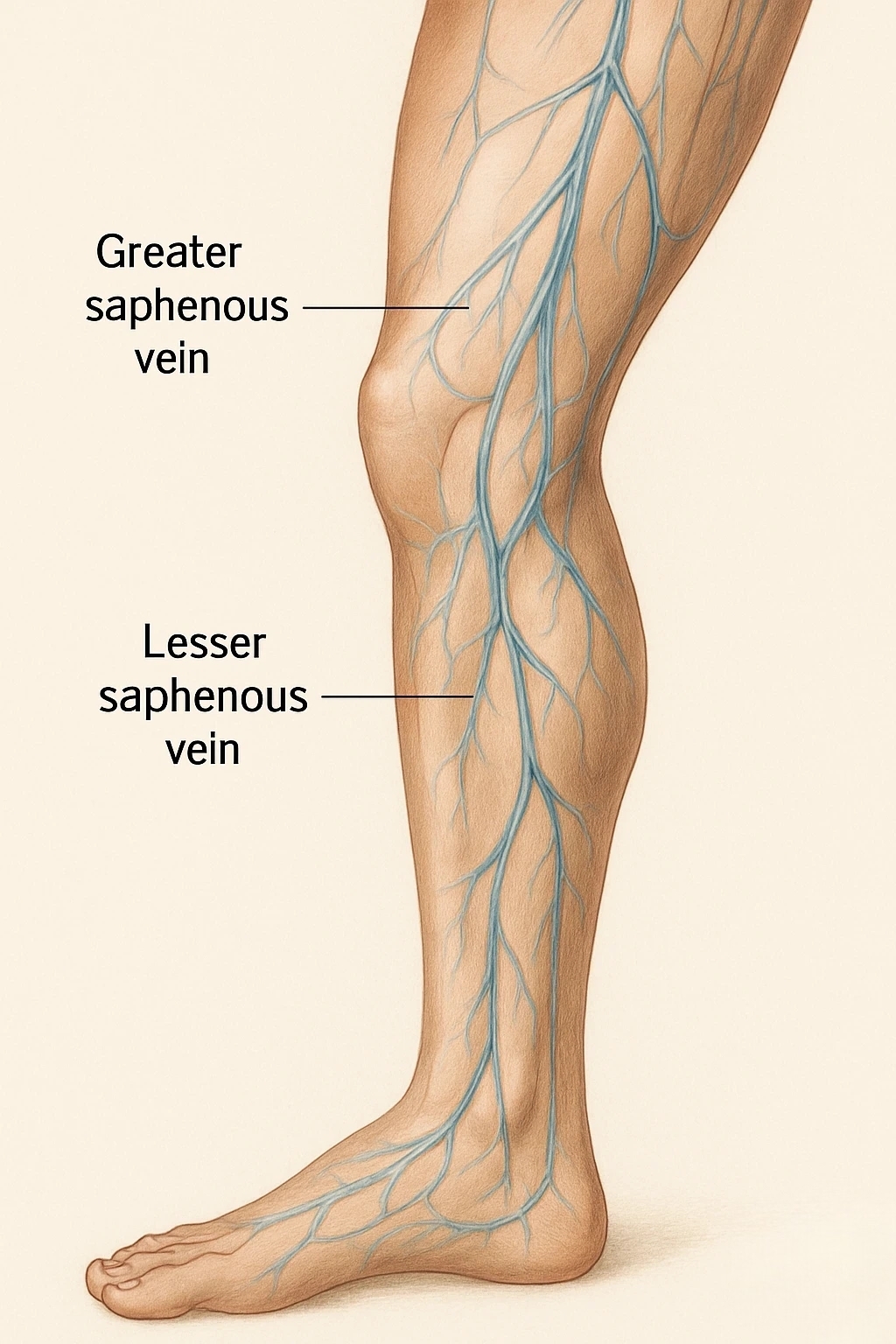
Veins are ideal for:
Blood tests
IV fluids
Medication delivery
H3: Why Veins Look Blue Under Hospital Lights
Medical lighting can enhance the contrast between veins and skin, making them easier to locate.
This is another example of how light affects what we see.
H2: The Role of Hemoglobin in Blood Color
H3: What Is Hemoglobin?
Hemoglobin is a protein in red blood cells responsible for carrying oxygen.
H3: How It Affects Color
Oxygen-rich hemoglobin: Bright red
Oxygen-poor hemoglobin: Dark red
At no point does hemoglobin turn blue.
H2: The Science of Human Vision
H3: Your Brain Plays a Role
What you see isn’t always reality—your brain interprets signals from your eyes.
H3: Color Perception Is Contextual
Your perception of color depends on:
Lighting conditions
Surrounding colors
Depth of the object
This is why veins can appear differently in various lighting.
H2: Fun Experiments You Can Try at Home
H3: The Flashlight Test
Shine a flashlight on your skin:
Notice how veins become more visible
Observe color changes under different angles
H3: Compare Different Body Areas
Check veins on:
Wrist
Arm
Foot
You’ll notice differences based on skin thickness and exposure.
H2: Common Myths About Veins (Debunked)
H3: Myth 1 — Blood in Veins Is Blue
Truth: Blood is always red.
H3: Myth 2 — Blue Veins Mean Low Oxygen
Truth: Oxygen levels affect shade, not color.
H3: Myth 3 — Visible Veins Are Unhealthy
Truth: Often the opposite—can indicate fitness.
H2: Why This Knowledge Matters
Understanding your body helps you:
Avoid misinformation
Recognize real health signals
Appreciate the complexity of human biology
What seems like a simple observation—blue veins—is actually a fascinating intersection of physics, anatomy, and perception.
H2: Key Takeaways
Veins are not blue—this is an optical illusion
Blood is always red, regardless of oxygen levels
Light scattering and skin properties create the blue appearance
Vein visibility can reveal hydration, fat levels, and circulation
Sudden changes in veins may require medical attention
Conclusion
The next time you glance at your wrist and notice those blue lines, remember—you’re not seeing reality. You’re seeing a beautifully complex illusion created by light, biology, and perception.
Your body isn’t just functioning—it’s constantly interacting with the world in ways you don’t even realize.
And sometimes, the biggest surprises come from the smallest details hiding just beneath your skin.

You must be logged in to post a comment.