
Effects of Eating Rice
1. Provides Quick Energy
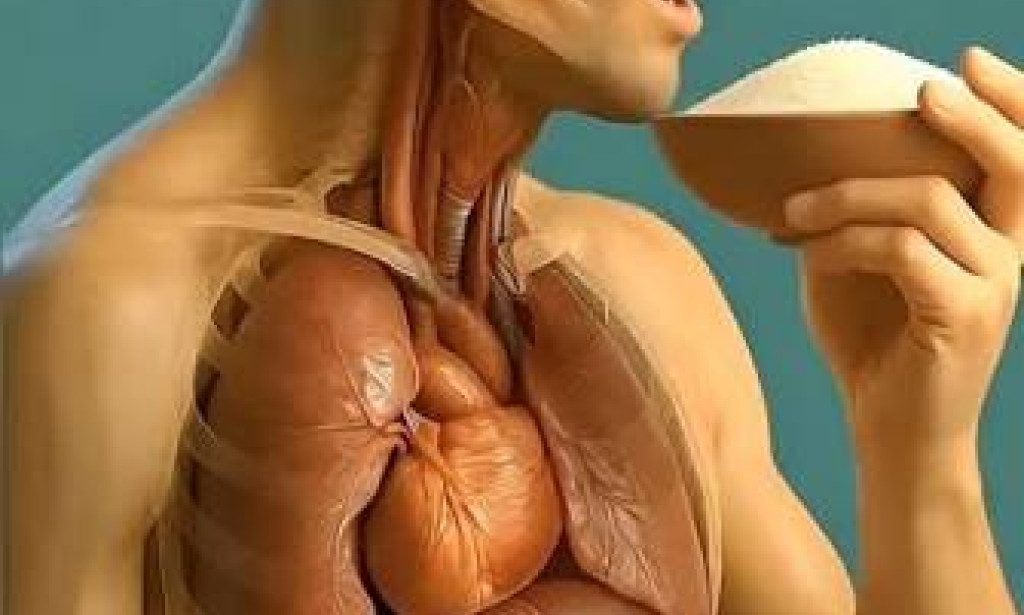
Rice is mainly made up of carbohydrates, which are the body’s main source of energy. When you eat rice, your body breaks it down into glucose (sugar), which fuels your brain and muscles.
- White rice gives fast energy
- Brown rice provides slower, longer-lasting energy
This is one reason athletes and workers often rely on rice as a daily meal.
2. Low in Fat and Easy to Digest
Rice is naturally low in fat, cholesterol-free, and easy on the stomach. For people with digestive issues or sensitive stomachs, rice is often recommended because it is gentle and easy to digest.
3. Can Lead to Weight Gain (If Overeaten)
Eating rice every day is not harmful on its own, but large portions—especially white rice—can contribute to weight gain.
This happens because:
- White rice has a high glycemic index (raises blood sugar quickly)
- It is easy to eat in large amounts without feeling full
- It is often eaten with high-calorie sauces and oils
- If calorie intake is higher than what the body uses, excess energy is stored as fat.
4. May Increase Blood Sugar Levels
Frequent consumption of white rice can cause spikes in blood sugar levels, especially in people at risk of diabetes.
- White rice is quickly digested
- It can lead to rapid increases in glucose
- Over time, this may affect insulin sensitivity if diet is not balanced
- Brown rice or parboiled rice is a better option for more stable blood sugar control.
5. Nutrient Limitations of White Rice
White rice is processed and has had its outer layers removed, which reduces its nutrient content.
Compared to brown rice, white rice has:
- Less fiber
- Fewer vitamins (like B vitamins)
- Fewer minerals
This means eating only rice every day without other foods can lead to nutrient imbalance.
6. Digestive Health Effects
Rice can be both good and bad for digestion:
Positive:
- Easy to digest
- Can help with diarrhea or upset stomach
Negative:
- Low fiber (especially white rice)
- May cause constipation if not eaten with vegetables or fiber-rich foods
7. Better When Balanced With Other Foods
Eating rice daily is not a problem when it is part of a balanced diet. Problems usually happen when rice becomes the only major food.
A healthy rice meal should include:
- Vegetables (fiber and vitamins)
- Protein (beans, fish, eggs, meat)
- Healthy fats (small amounts of oils, nuts)
This helps the body get all essential nutrients.
8. Healthier Rice Choices
Not all rice is the same. Healthier options include:
- Brown rice (high fiber, more nutrients)
- Parboiled rice (lower glycemic impact)
- Basmati rice (slower digestion compared to regular white rice)
Conclusion
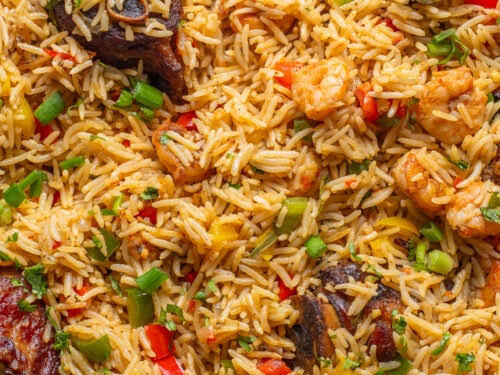
Eating rice every day is not harmful by itself. The real issue depends on portion size, type of rice, and what it is eaten with. White rice alone, especially in large quantities, may contribute to weight gain and blood sugar spikes, while brown or parboiled rice eaten with balanced meals can be part of a healthy diet.


You must be logged in to post a comment.