
The Most Venomous Animal Isn’t a Snake — Deadly Creatures You Never Suspected
Introduction
When most people think of deadly venomous animals, snakes instantly come to mind. Images of cobras, vipers, and rattlesnakes dominate documentaries, movies, and survival stories. But the truth is far more surprising: the most venomous creatures on Earth are often small, beautiful, hidden, or completely unexpected.
Some live quietly beneath the ocean surface. Others crawl through rainforests or disguise themselves as harmless animals. A few are so toxic that a single drop of venom could kill dozens of humans within minutes. Even more shocking, several of these creatures rarely appear on lists of dangerous animals because they look harmless—or even fascinating.
This article explores the world’s most venomous animals that are not snakes. From tiny jellyfish capable of causing heart failure to colorful octopuses with deadly neurotoxins, these creatures prove that nature hides its greatest dangers in unexpected forms.
What Makes an Animal “Venomous”?
Before exploring these deadly creatures, it’s important to understand the difference between venomous and poisonous animals.
Venomous vs Poisonous: The Difference
Venomous Animals
Venomous animals inject toxins through:
Fangs
Stingers
Spines
Barbs
Harpoons
Examples include:
Scorpions
Jellyfish
Cone snails
Spiders
Poisonous Animals
Poisonous creatures release toxins when:
Touched
Eaten
Inhaled
Examples include:
Poison dart frogs
Certain toxic fish
Some insects
An easy rule:
If it bites or stings you, it’s venomous.
If touching or eating it harms you, it’s poisonous.
The Box Jellyfish: The True King of Venom
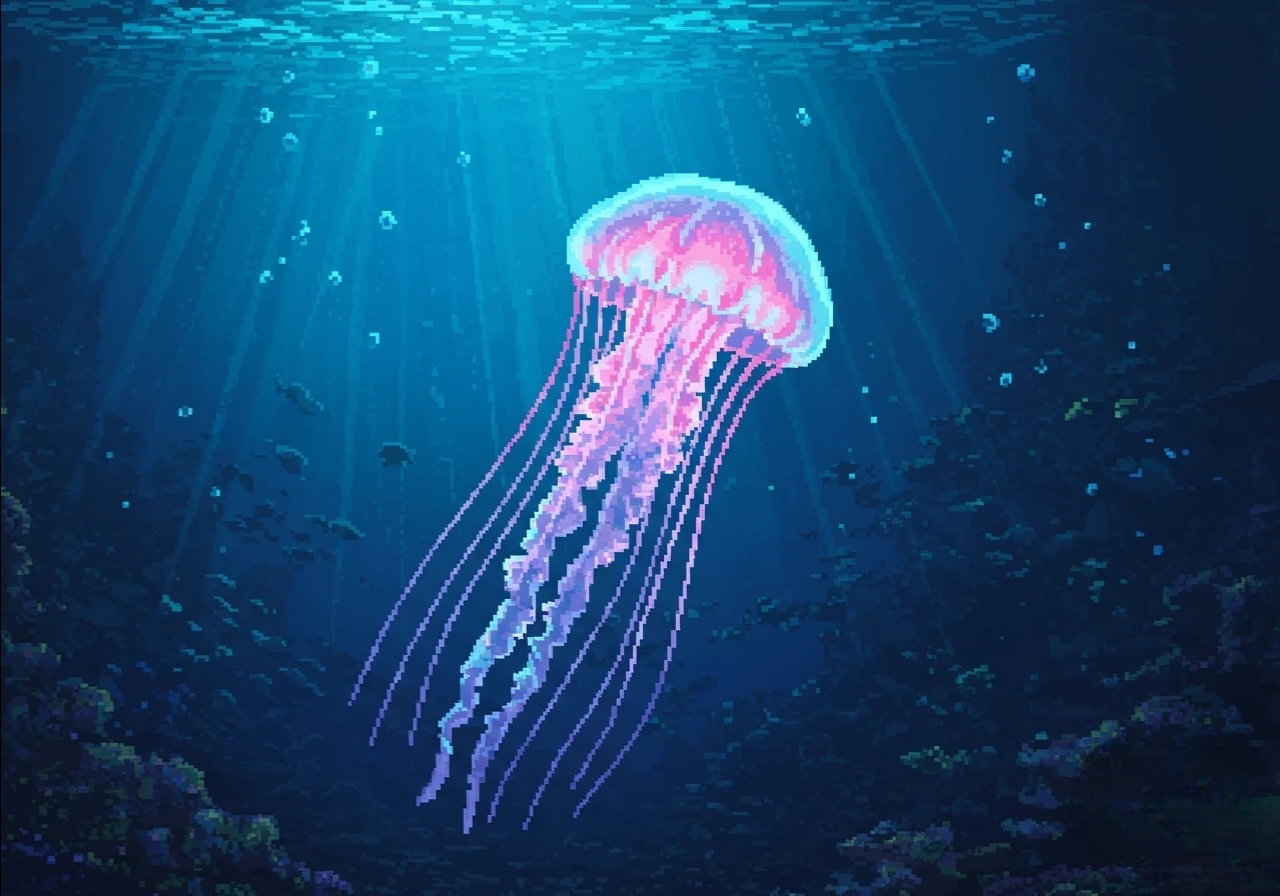
The Ocean’s Silent Killer
The world’s most venomous animal is widely considered to be the box jellyfish, particularly the Australian box jellyfish.
Despite its transparent and fragile appearance, this creature possesses venom powerful enough to stop a human heart within minutes.
Why Its Venom Is So Deadly
The venom attacks:
The heart
Nervous system
Skin cells
Victims often experience:
Extreme burning pain
Paralysis
Cardiac arrest
Shock
Drowning due to panic
In severe cases, death can happen in under five minutes.
Terrifying Survival Mechanism
Each tentacle contains millions of microscopic harpoons called nematocysts. Even brushing lightly against the tentacles can inject massive amounts of venom instantly.
Shocking Facts
Tentacles may reach 10 feet long
Nearly invisible underwater
Can kill multiple adults
Responsible for numerous fatalities in tropical waters
The Blue-Ringed Octopus: Tiny but Lethal
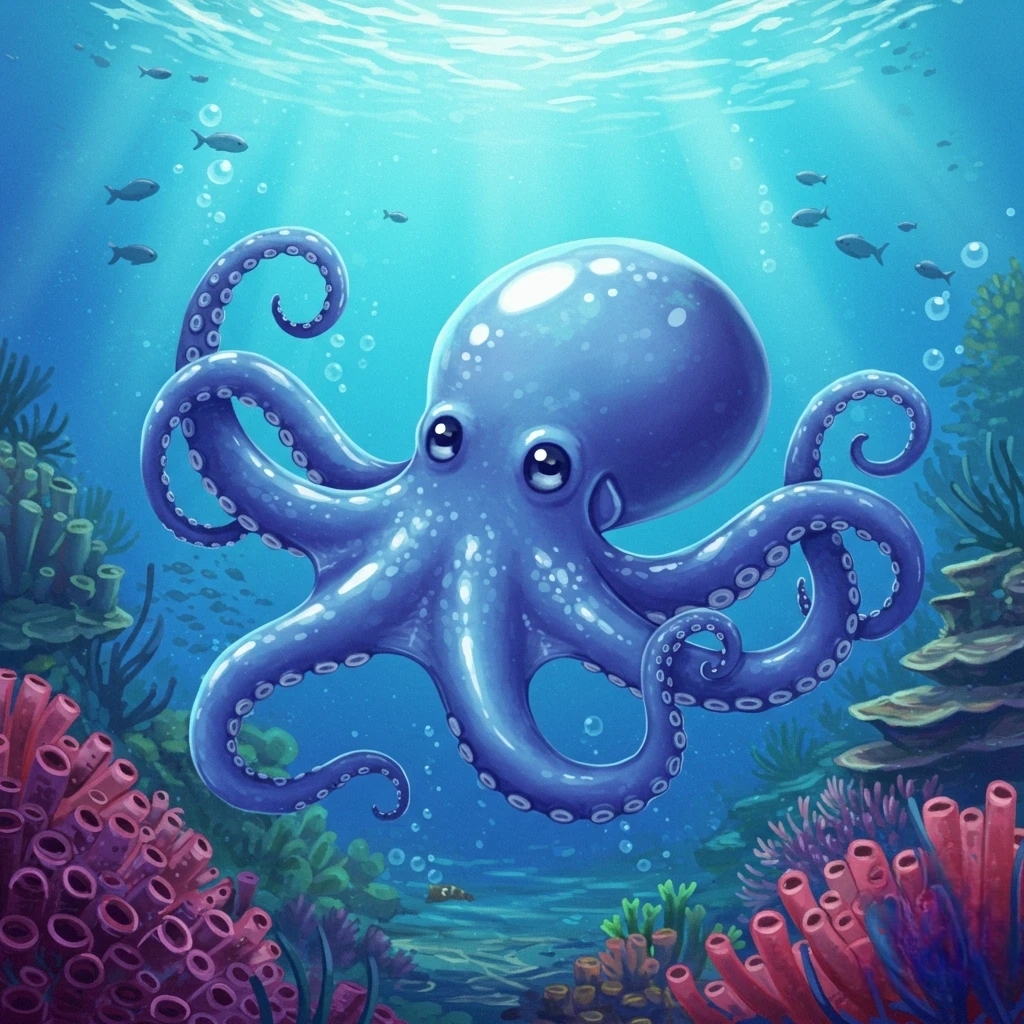
A Beautiful Creature With Deadly Power
The blue-ringed octopus is small enough to fit in the palm of your hand, yet it carries enough venom to kill more than 20 humans.
Its bright blue rings appear when threatened—a terrifying warning signal from nature.
The Venom That Stops Breathing
This octopus produces tetrodotoxin, one of the most dangerous neurotoxins known.
The venom causes:
Muscle paralysis
Loss of speech
Respiratory failure
Complete body shutdown
The victim may remain fully conscious while unable to move or breathe.
Why It’s Extra Dangerous
There is:
No known antidote
Almost no pain from the bite
Often no visible wound
Many people never realize they’ve been bitten until paralysis begins.
Cone Snails: The “Cigarette Snail” Legend
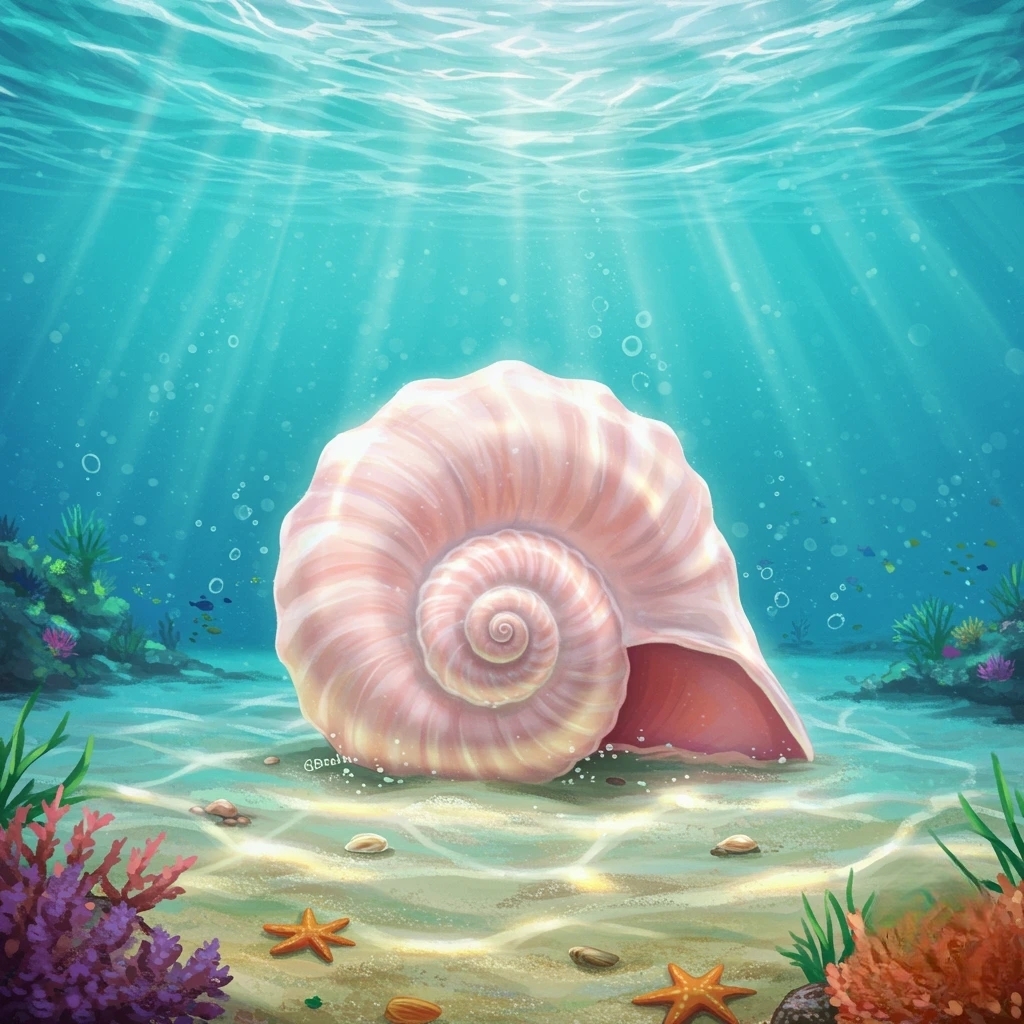
A Snail That Hunts Like a Harpoon Gun
Cone snails may look like harmless decorative shells, but some species possess venom strong enough to kill humans.
These marine predators use a harpoon-like tooth to inject venom into prey.
The Meaning Behind “Cigarette Snail”
Some divers call certain cone snails “cigarette snails” because the legend says:
Once stung, you only have enough time to smoke one cigarette before dying.
While dramatic, the nickname reflects the speed and seriousness of the venom.
Symptoms of Cone Snail Venom
Victims may experience:
Numbness
Paralysis
Vision problems
Respiratory collapse
Heart failure
Some species can inject hundreds of different toxins in a single sting.
The Stonefish: The Most Venomous Fish on Earth
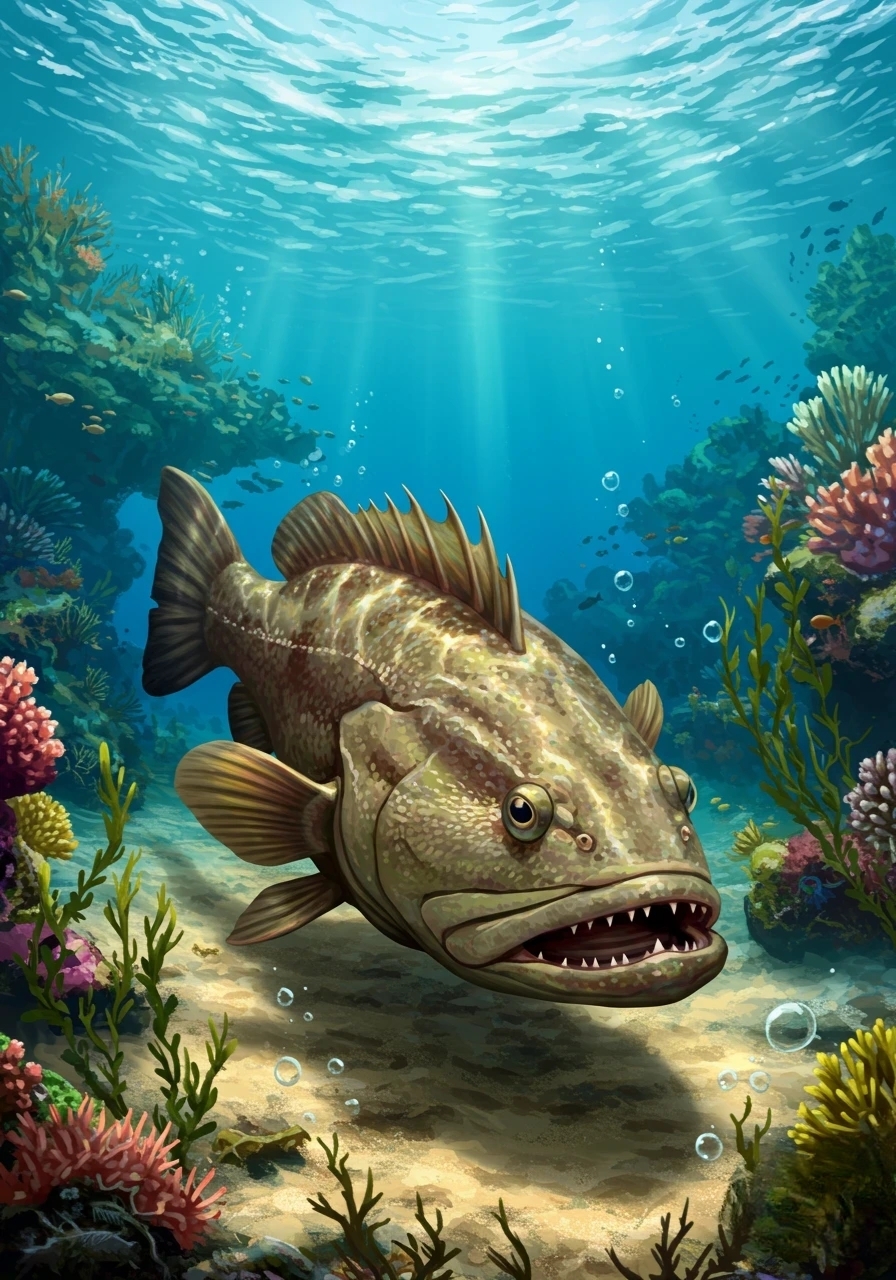
Nature’s Perfect Underwater Ambush Predator
The stonefish looks exactly like a rock covered in algae. This camouflage makes it nearly impossible to spot underwater.
Unfortunately, stepping on one can trigger a deadly venom injection.
Venom Hidden in Sharp Spines
The stonefish has dorsal spines loaded with powerful venom.
Symptoms include:
Intense agony
Tissue destruction
Paralysis
Shock
Heart problems
The pain is often described as unbearable and may last for days.
Why Divers Fear Stonefish
What makes the stonefish terrifying:
Extremely hard to see
Common in shallow waters
Venom activates instantly under pressure
Victims can collapse from pain alone
Deathstalker Scorpion: A Desert Nightmare
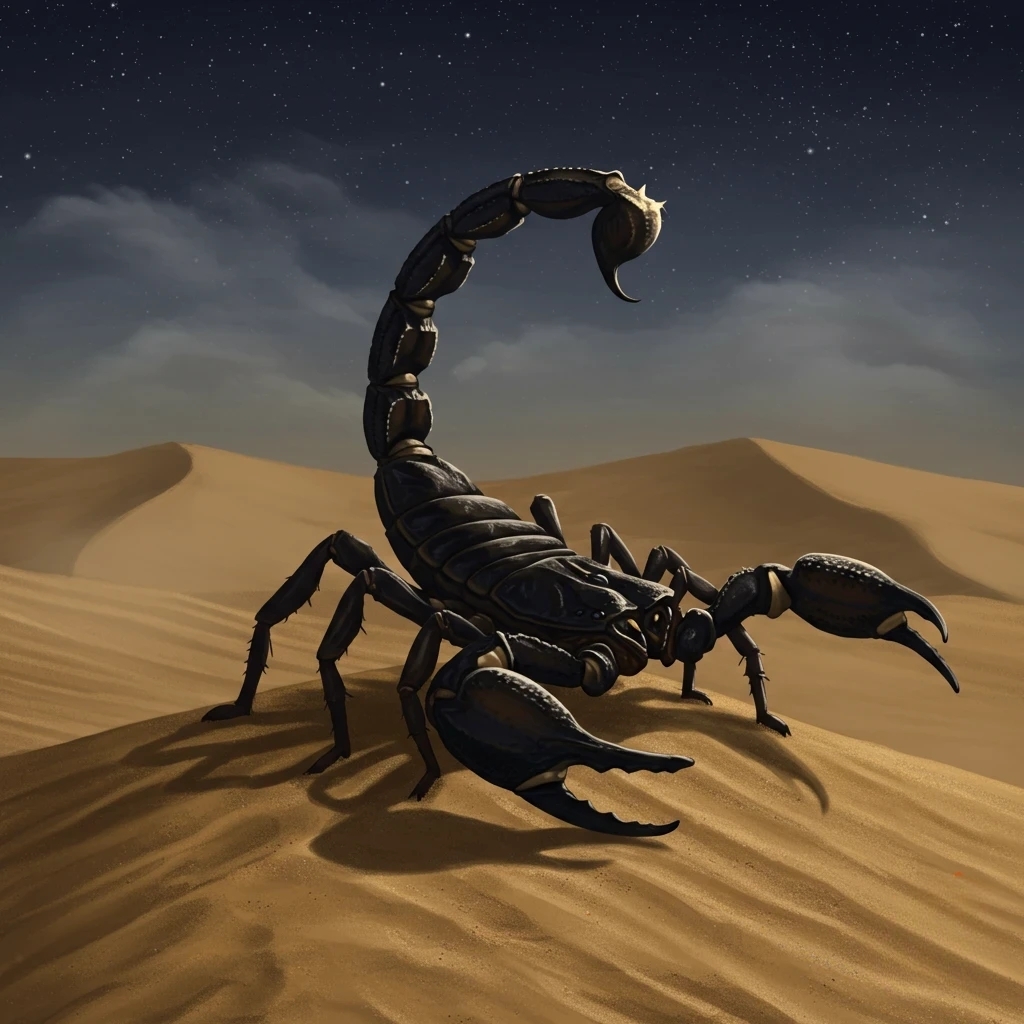
One of the World’s Most Dangerous Scorpions
The deathstalker scorpion is responsible for some of the most dangerous scorpion stings on Earth.
Its pale yellow body blends perfectly into desert environments.
Venom Designed to Attack the Nervous System
The sting can cause:
Violent pain
Fever
Convulsions
Breathing difficulty
Heart complications
Healthy adults often survive, but children and elderly people face serious risk.
A Weapon Built for Survival
Scorpions evolved venom for:
Hunting insects
Defense against predators
Surviving harsh desert conditions
The deathstalker perfected this weapon into one of nature’s deadliest biochemical cocktails.
The Brazilian Wandering Spider: The Aggressive Hunter
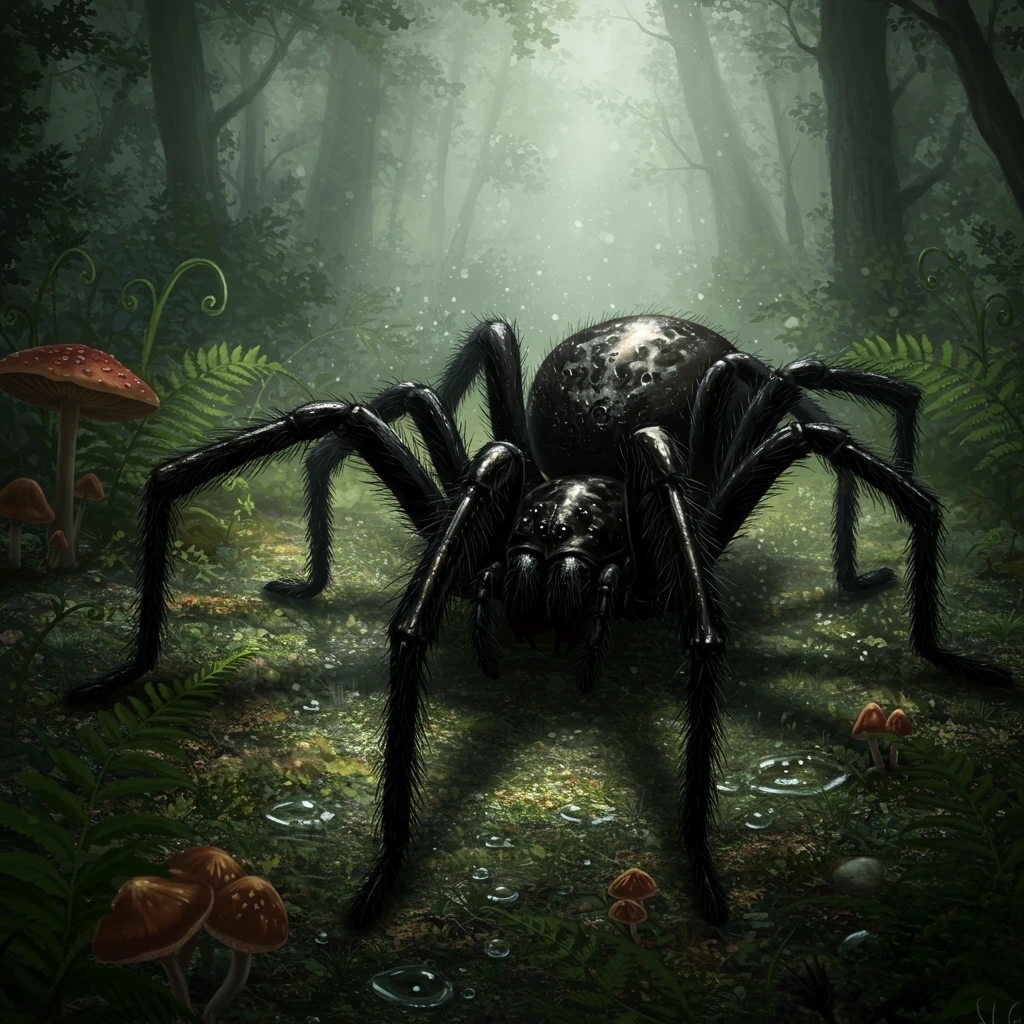
Why This Spider Terrifies Scientists
Unlike web-building spiders, the Brazilian wandering spider actively hunts prey at night.
It often hides:
In shoes
In houses
In banana shipments
Under logs and furniture
Symptoms of the Bite
Its venom can trigger:
Severe pain
Loss of muscle control
Difficulty breathing
Rapid heartbeat
Paralysis
In extreme cases, death may occur without medical treatment.
The Spider’s Disturbing Defense Posture
When threatened, it raises its front legs and exposes bright red fangs—a warning many victims see too late.
The Inland Taipan Isn’t the Only Deadly Reptile
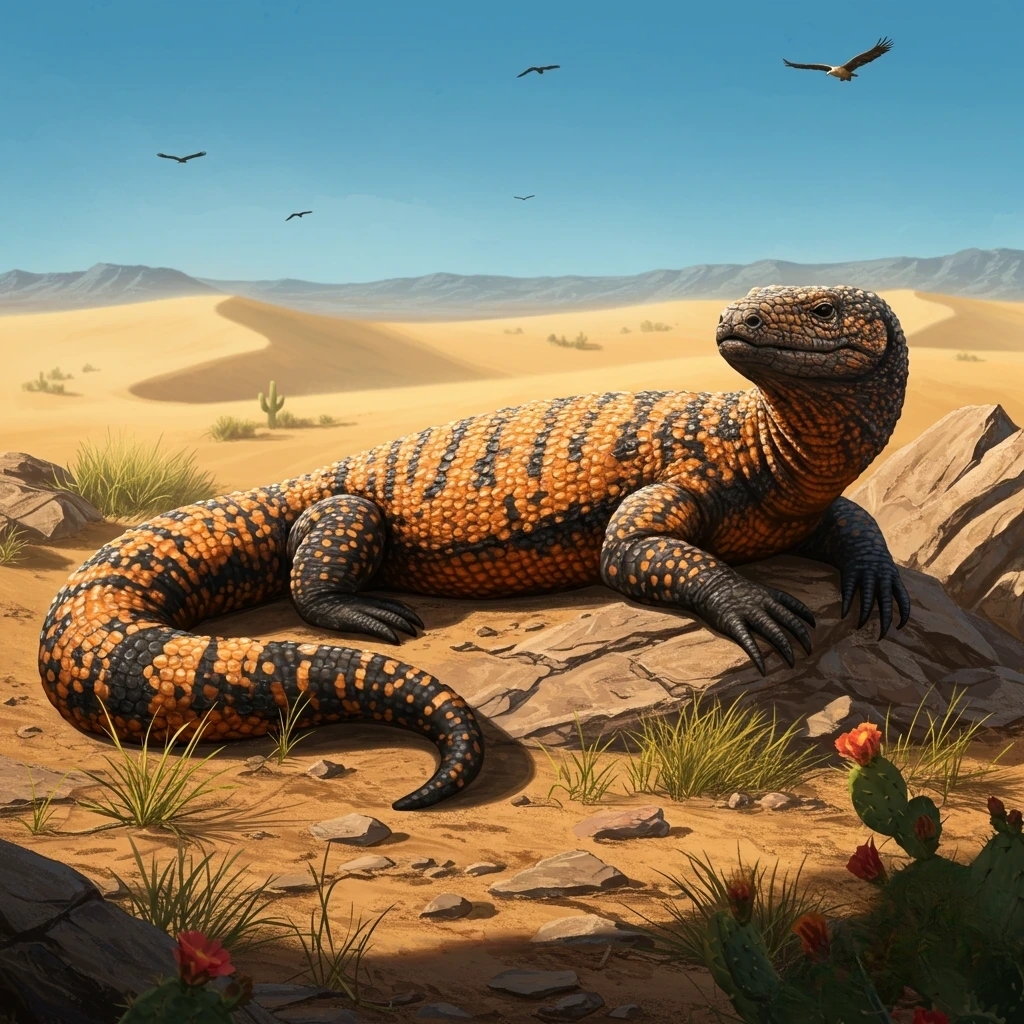
Meet the Gila Monster
While snakes dominate reptile venom discussions, the Gila monster deserves attention.
This heavy-bodied lizard possesses venomous saliva delivered through grooves in its teeth.
Why Its Bite Is Horrifying
The Gila monster:
Clamps down tightly
Chews venom into wounds
Causes extreme pain
Triggers swelling and weakness
Although rarely fatal today, the bite can be medically serious.
Poison Dart Frogs: Tiny Rainforest Toxins
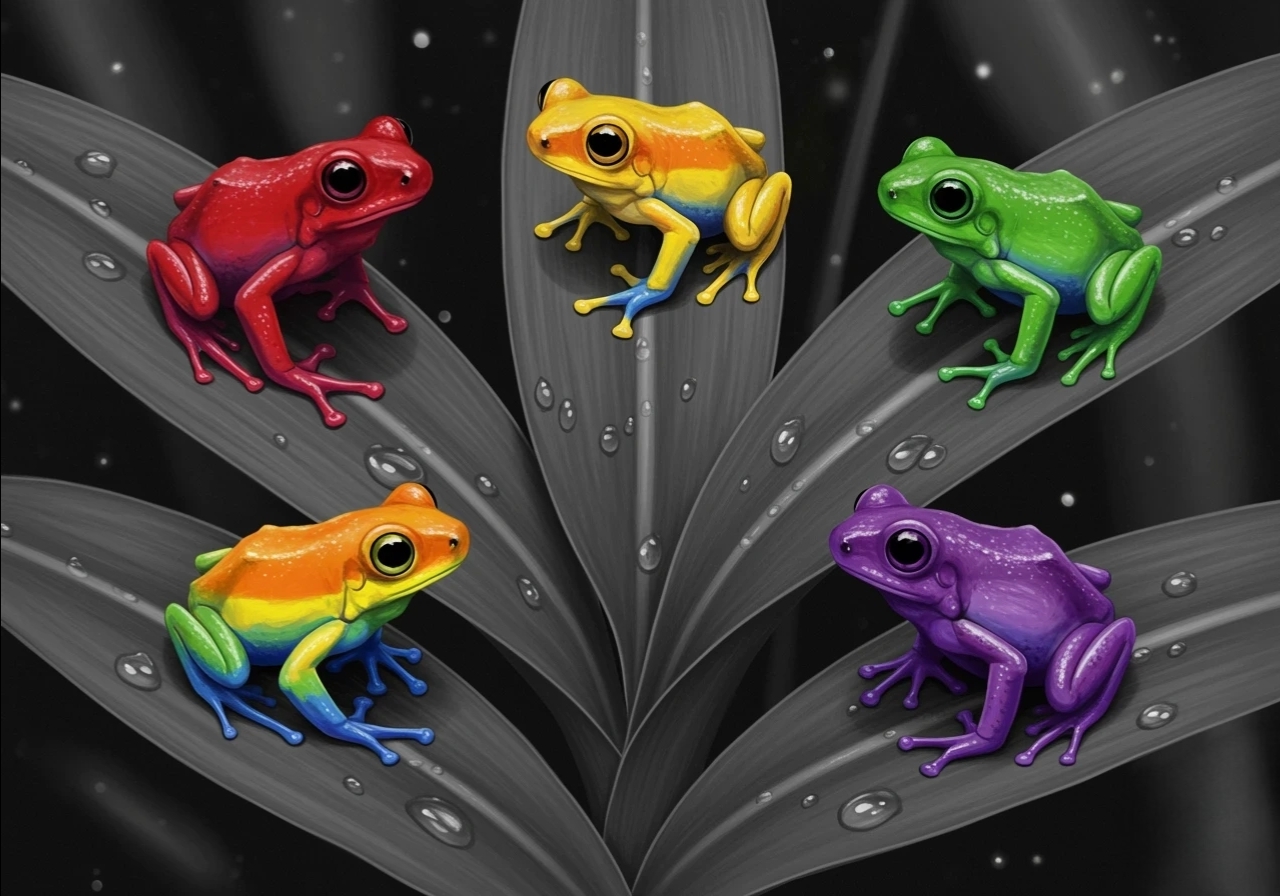
Bright Colors Mean Danger
These frogs are among the most poisonous animals alive.
Their vibrant skin warns predators:
“Do not touch.”
Venom Strong Enough to Kill Humans
Certain species contain batrachotoxin, which attacks nerves and muscles.
The toxin can:
Stop the heart
Cause paralysis
Disrupt nerve signals instantly
Some indigenous tribes historically used the toxin on blow darts for hunting.
Why Captive Frogs Become Less Toxic
Interestingly, poison dart frogs raised in captivity often lose much of their toxicity because they no longer consume toxin-producing insects found in the wild.
The Platypus: Australia’s Unexpected Venomous Mammal
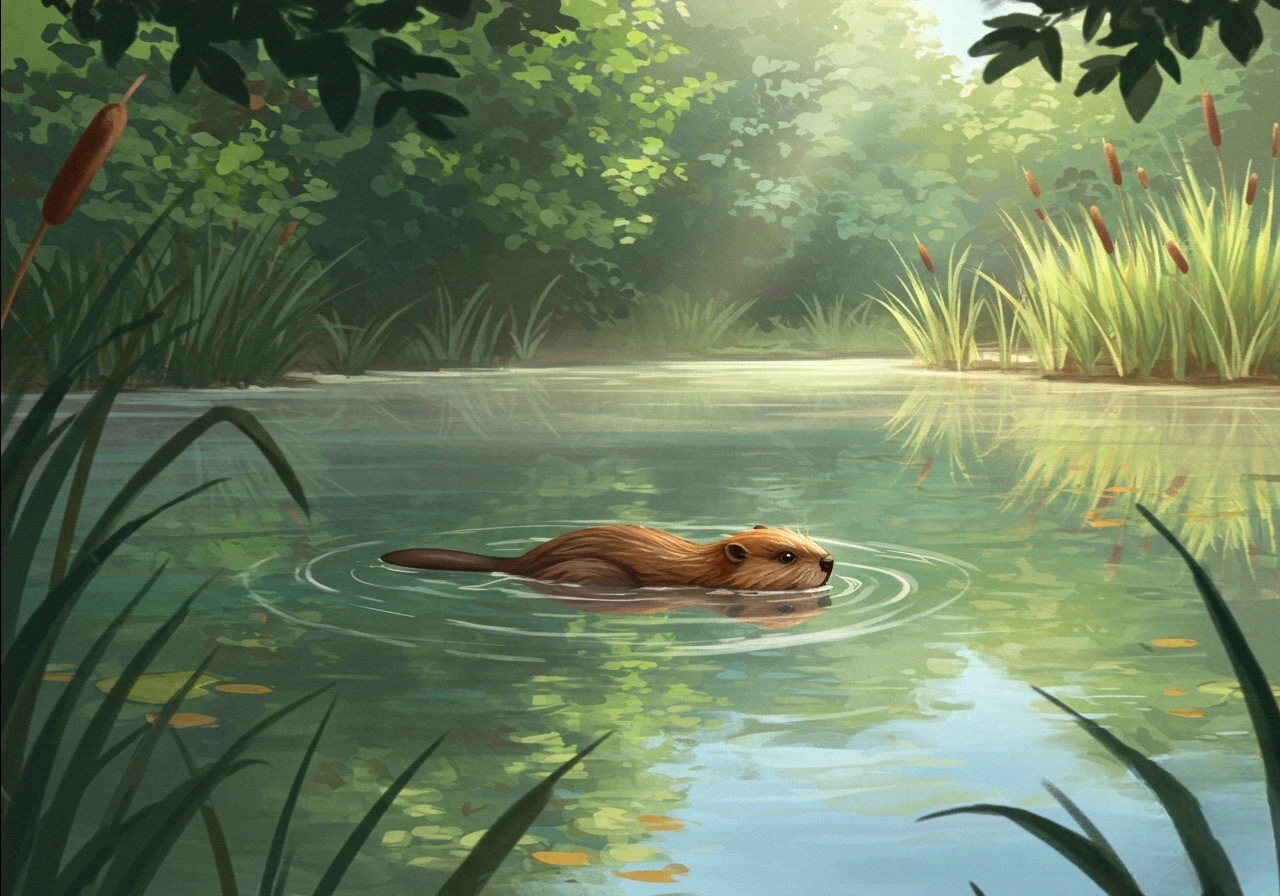
A Cute Animal With Hidden Weapons
Most people see the platypus as adorable and strange—not dangerous.
But male platypuses possess venomous spurs on their hind legs.
What Happens After a Sting?
The venom causes:
Excruciating pain
Severe swelling
Long-lasting discomfort
Temporary disability
Pain from platypus venom may resist standard painkillers.
Why Scientists Are Fascinated
The platypus is one of the very few venomous mammals known to science, making it a major evolutionary mystery.
The Geography Cone Snail: A Living Chemical Weapon
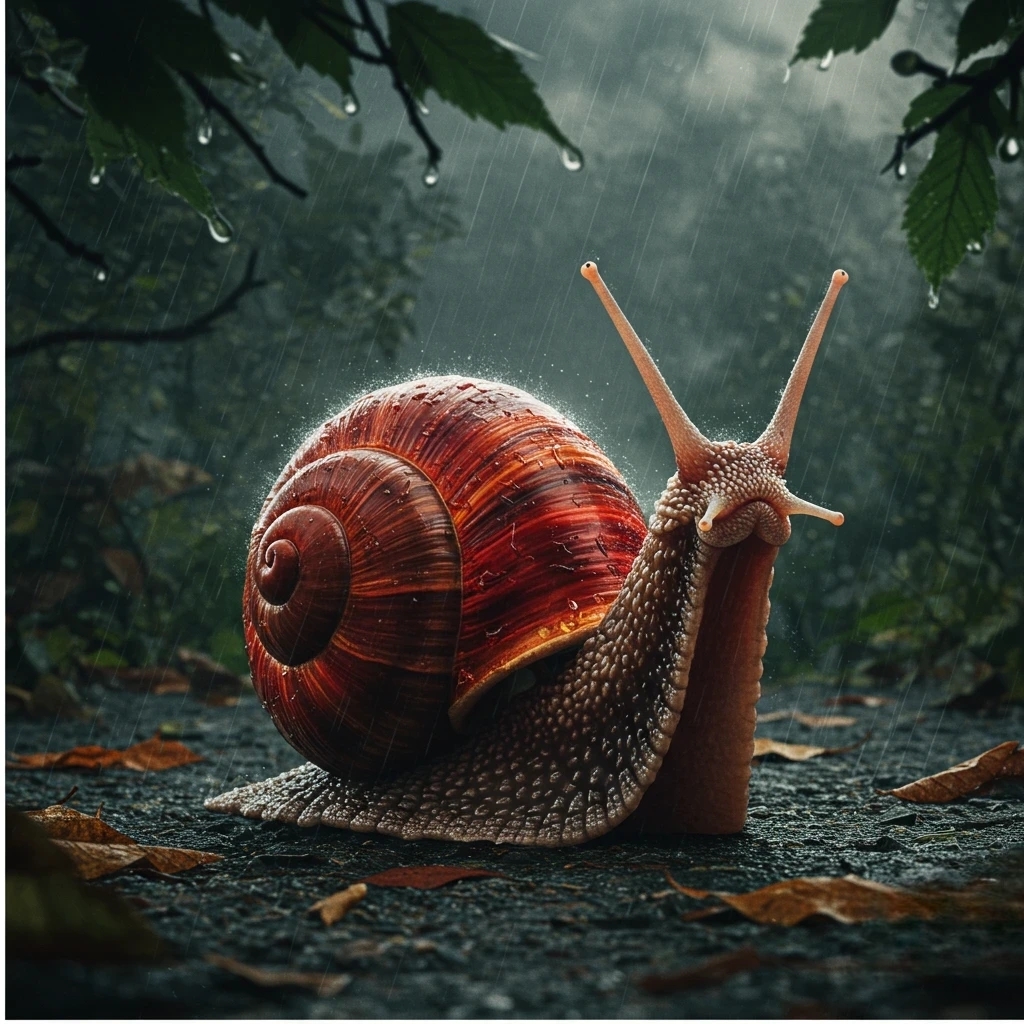
One Sting Can Be Fatal
Among cone snails, the geography cone snail is especially feared.
Its venom contains hundreds of toxic compounds capable of shutting down the nervous system.
Hunting With Paralysis
The snail fires a venomous harpoon into fish, instantly immobilizing them before swallowing them whole.
Scientists study these toxins because they may help create powerful future pain medications.
Why Humans Underestimate Venomous Animals

Dangerous Animals Don’t Always Look Dangerous
Humans instinctively fear:
Large predators
Sharp teeth
Loud animals
But many venomous species evolved the opposite strategy:
Small size
Camouflage
Beauty
Silence
This makes them even more dangerous.
Nature Uses Venom Efficiently
Venom evolved because it saves energy:
Quick prey capture
Effective defense
Minimal physical struggle
Instead of brute strength, these creatures rely on chemistry.
The Science Behind Venom
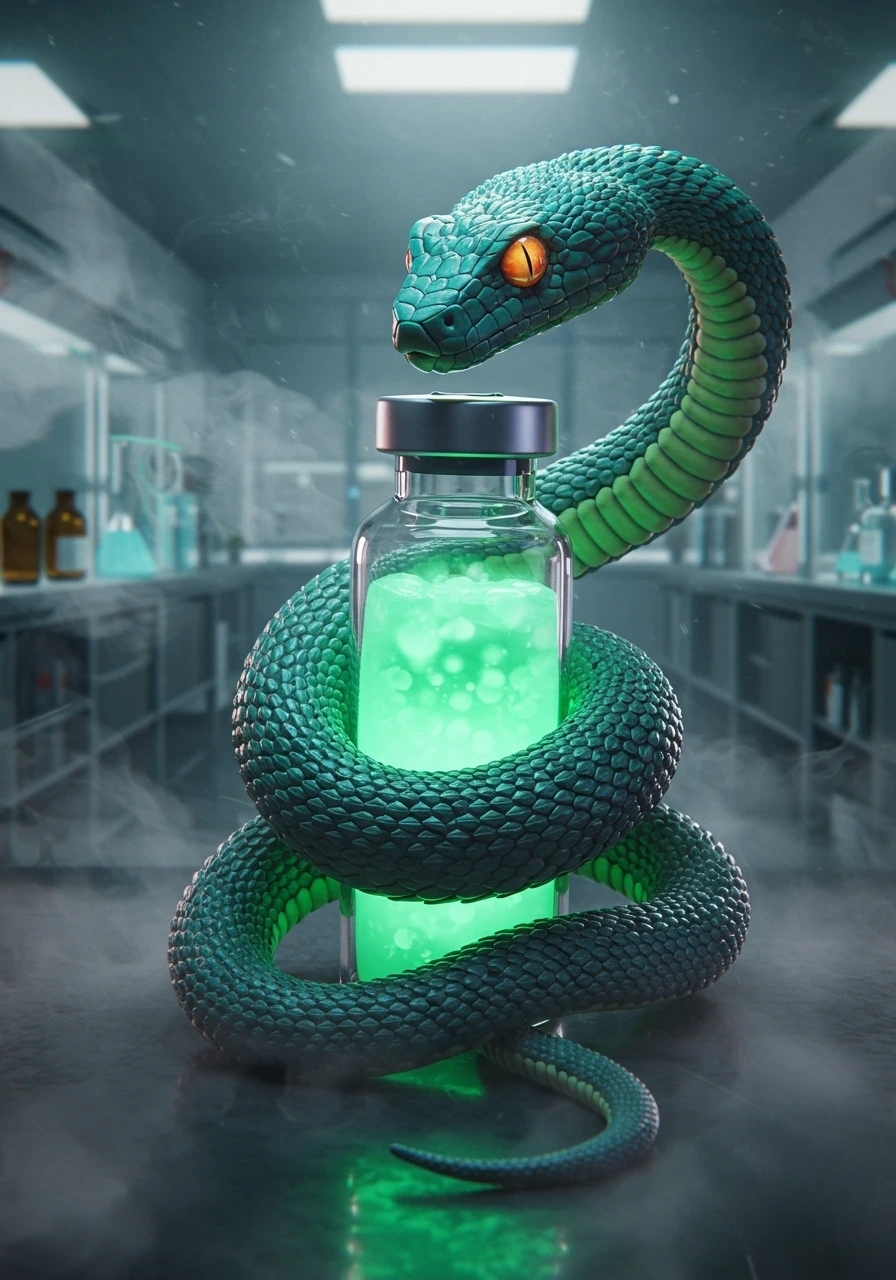
Venom Is a Biological Weapon
Venom is made of complex molecules including:
Neurotoxins
Enzymes
Proteins
Cytotoxins
Different venoms target different systems in the body.
Types of Venom Effects
Neurotoxic Venom
Attacks the nervous system. Examples:
Blue-ringed octopus
Cone snails
Hemotoxic Venom
Destroys blood cells and tissue. Examples:
Certain snakes
Some spiders
Cytotoxic Venom
Kills surrounding cells. Examples:
Stonefish
Scorpions
Cardiotoxic Venom
Targets the heart directly. Examples:
Box jellyfish
The Deadliest Oceans on Earth
Why Marine Venom Is So Powerful
Ocean creatures often evolved stronger toxins because:
Water dilutes chemicals
Fast immobilization is necessary
Escape opportunities are limited
As a result, many of Earth’s most toxic animals live underwater.
Deadly Marine Creatures Include
Box jellyfish
Stonefish
Cone snails
Blue-ringed octopus
The ocean hides some of the planet’s most sophisticated biological weapons.
Could Venom Save Human Lives?
The Medical Side of Deadly Toxins
Ironically, dangerous venom may help create future medicines.
Scientists use venom research to study:
Pain relief
Blood pressure control
Heart disease treatment
Neurological disorders
enom-Based Medicines Already Exist
Certain modern drugs were inspired by venom compounds from:
Snakes
Cone snails
Lizards
Nature’s deadliest toxins may someday save millions of lives.
Safety Tips Around Venomous Animals
How to Stay Safe
In the Ocean
Avoid touching marine animals
Wear protective footwear
Never pick up shells blindly
In Forests or Deserts
Shake out shoes and clothing
Watch where you place hands
Use flashlights at night
General Rule
If an animal looks unusual, colorful, or unfamiliar:
Admire it from a distance.
Conclusion
The most venomous animal on Earth isn’t a snake—it’s likely the box jellyfish, a nearly invisible ocean drifter capable of killing within minutes. Yet it is only one example of nature’s hidden arsenal of deadly creatures.
From tiny octopuses and decorative snails to cute mammals and brilliantly colored frogs, venomous animals prove that danger often hides behind beauty, camouflage, or silence.
These creatures are terrifying, but they are also extraordinary examples of evolution. Their toxins reveal how life adapts, survives, hunts, and defends itself in some of the harshest environments on Earth.
And perhaps the greatest surprise of all: The same venom that can kill may also help scientists create life-saving medicines for the future.
Frequently Asked Questions (FAQs)
What is the most venomous animal in the world?
The box jellyfish is widely considered the most venomous animal due to its extremely powerful toxins that can cause heart failure within minutes.
Is a blue-ringed octopus more dangerous than a shark?
In terms of venom toxicity, yes. The blue-ringed octopus carries venom potent enough to kill humans rapidly, despite its tiny size.
Are cone snails really deadly?
Yes. Certain cone snail species possess venom that can cause paralysis and death in humans.
What is the deadliest venomous fish?
The stonefish is considered the most venomous fish in the world.
Can venom be used in medicine?
Yes. Scientists study venom compounds to develop treatments for pain, blood pressure issues, and neurological diseases.
Why are brightly colored animals often dangerous?
Bright colors in nature often serve as warning signals to predators that the animal is toxic or venomous.

You must be logged in to post a comment.