
Your Liver Can Regrow Itself: The 75% Damage Myth That’s Hiding a Silent Health Crisis
Introduction
Your liver is one of the most powerful and resilient organs in your body. It performs over 500 essential functions, from detoxifying harmful substances to producing vital proteins. But what makes it truly extraordinary is its ability to regenerate.
You may have heard the widely repeated claim: “The liver can regrow even after 75% of it is damaged.” While this statement is partially true, it has also led to a dangerous misconception — one that is quietly fueling a global health crisis.
This article explores the science behind liver regeneration, exposes the myth surrounding the “75% damage rule,” and reveals how millions of people are unknowingly pushing their liver toward irreversible failure.
What Makes the Liver So Unique?
A Regenerative Powerhouse
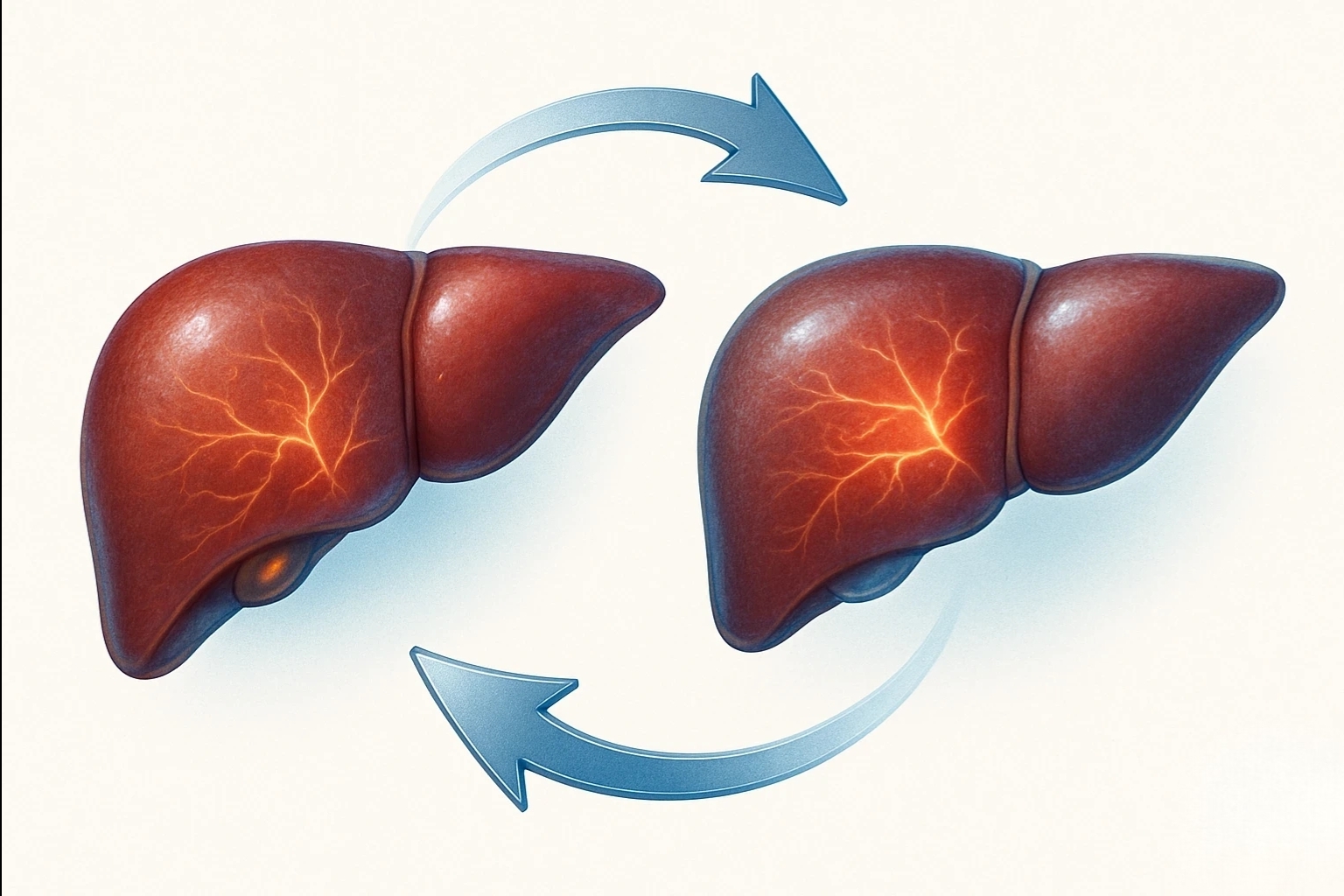
Unlike most organs in the human body, the liver has an incredible ability to repair and regenerate itself. Even after surgical removal of a significant portion, it can regrow to its original size.
Key Functions of the Liver
Your liver is responsible for:
Detoxifying harmful chemicals and toxins
Metabolizing drugs and alcohol
Producing bile for digestion
Regulating blood sugar levels
Storing vitamins and minerals
Supporting immune function
Because of its central role in survival, the liver is designed to withstand stress — but only up to a point.
Understanding the “75% Damage” Myth
Where Did This Claim Come From?
The idea that the liver can regenerate after losing up to 75% of its mass comes from medical observations in controlled environments, such as:
Liver transplant surgeries
Animal studies
Acute injury cases
In these situations, healthy liver tissue can regenerate efficiently.
Why This Myth Is Dangerous
The problem arises when people interpret this as:
“I can damage my liver repeatedly, and it will always heal.”
This is not true.
The Reality
Liver regeneration depends on several factors:
The type of damage (acute vs chronic)
The frequency of injury
The overall health of the individual
The presence of diseases like fatty liver or hepatitis
If damage is continuous, the liver loses its ability to regenerate effectively.
Acute vs Chronic Damage: The Critical Difference
Acute Liver Damage (Short-Term)
This occurs suddenly, such as:
Drug overdose
Temporary toxin exposure
Surgical removal
Outcome:
The liver can often regenerate fully if the cause is removed quickly.
Chronic Liver Damage (Long-Term)
This develops slowly over time due to:
Alcohol abuse
Poor diet
Obesity
Viral infections
Long-term medication use
Outcome:
Instead of healing, the liver forms scar tissue — a condition known as fibrosis.
The Silent Progression: From Damage to Disease
One of the most dangerous aspects of liver disease is that it progresses silently.
Stages of Liver Damage
1. Fatty Liver (Steatosis)
Fat accumulates in liver cells
Often caused by poor diet or alcohol
Usually reversible
2. Inflammation (Steatohepatitis)
Liver becomes inflamed
Cells begin to get damaged
Early warning stage
3. Fibrosis
Scar tissue starts forming
Blood flow is disrupted
Regeneration slows down
4. Cirrhosis
Extensive scarring replaces healthy tissue
Liver function declines significantly
Damage becomes mostly irreversible
Why Liver Disease Is Called a “Silent Killer”
Lack of Early Symptoms
In its early stages, liver damage often shows no clear signs. You may feel completely normal while your liver is under stress.
Subtle Warning Signs You Might Ignore
Constant fatigue
Mild abdominal discomfort
Loss of appetite
Unexplained weight changes
Brain fog
These symptoms are easy to dismiss, which allows the damage to progress unnoticed.
The Regeneration Limit: When the Liver Stops Healing
Scar Tissue vs Healthy Tissue
When the liver is repeatedly damaged, it replaces healthy cells with scar tissue. Unlike normal liver cells, scar tissue:
Cannot perform liver functions
Does not regenerate
Blocks blood flow
The Point of No Return
Once cirrhosis sets in:
Regeneration becomes extremely limited
Complications increase
Liver failure becomes a real risk
At this stage, a liver transplant may be the only option.
Modern Lifestyle: Fueling the Crisis
1. Processed Foods and Sugar Overload
High consumption of:
Sugary drinks
Fast food
Refined carbohydrates
Leads to non-alcoholic fatty liver disease (NAFLD), now one of the most common liver conditions worldwide.
2. Alcohol Consumption
Even moderate drinking over time can:
Stress liver cells
Cause inflammation
Accelerate damage
3. Sedentary Lifestyle
Lack of physical activity contributes to:
Obesity
Insulin resistance
Fat accumulation in the liver
4. Overuse of Medications
Common drugs, when overused, can strain the liver, including:
Painkillers
Antibiotics
Supplements
Who Is Most at Risk?
You may be at higher risk if you:
Are overweight or obese
Have diabetes
Consume alcohol regularly
Eat a high-sugar diet
Have a family history of liver disease
How to Protect Your Liver Naturally
1. Improve Your Diet
Focus on:
Whole foods
Fresh vegetables and fruits
Lean proteins
Healthy fats
Avoid:
Processed foods
Excess sugar
Trans fats
2. Stay Hydrated
Water helps the liver flush out toxins and maintain proper function.
3. Exercise Regularly
Aim for:
At least 30 minutes of moderate activity daily
Activities like walking, cycling, or strength training
4. Limit Alcohol Intake
Reducing or eliminating alcohol significantly lowers your risk of liver damage.
5. Be Careful with Medications
Avoid self-medication
Follow dosage guidelines
Consult a doctor when needed
6. Get Regular Health Checkups
Routine tests can detect liver issues early, including:
Liver function tests
Ultrasound imaging
Can the Liver Truly Heal?
Yes — But Only Under the Right Conditions
The liver can regenerate if:
Damage is caught early
The harmful cause is removed
Healthy lifestyle changes are adopted
No — If Damage Is Ignored
If harmful habits continue:
Regeneration slows down
Scar tissue builds up
Permanent damage occurs
The Psychological Trap of the 75% Myth
False Sense of Security
Believing the liver can always recover leads people to:
Ignore early warning signs
Continue harmful habits
Delay medical attention
Normalization of Damage
Many people think:
“I feel fine, so my liver must be fine.”
This mindset is one of the biggest contributors to late-stage diagnosis.
Early Detection: Your Best Defense
Warning Signs You Should Never Ignore
Yellowing of skin or eyes (jaundice)
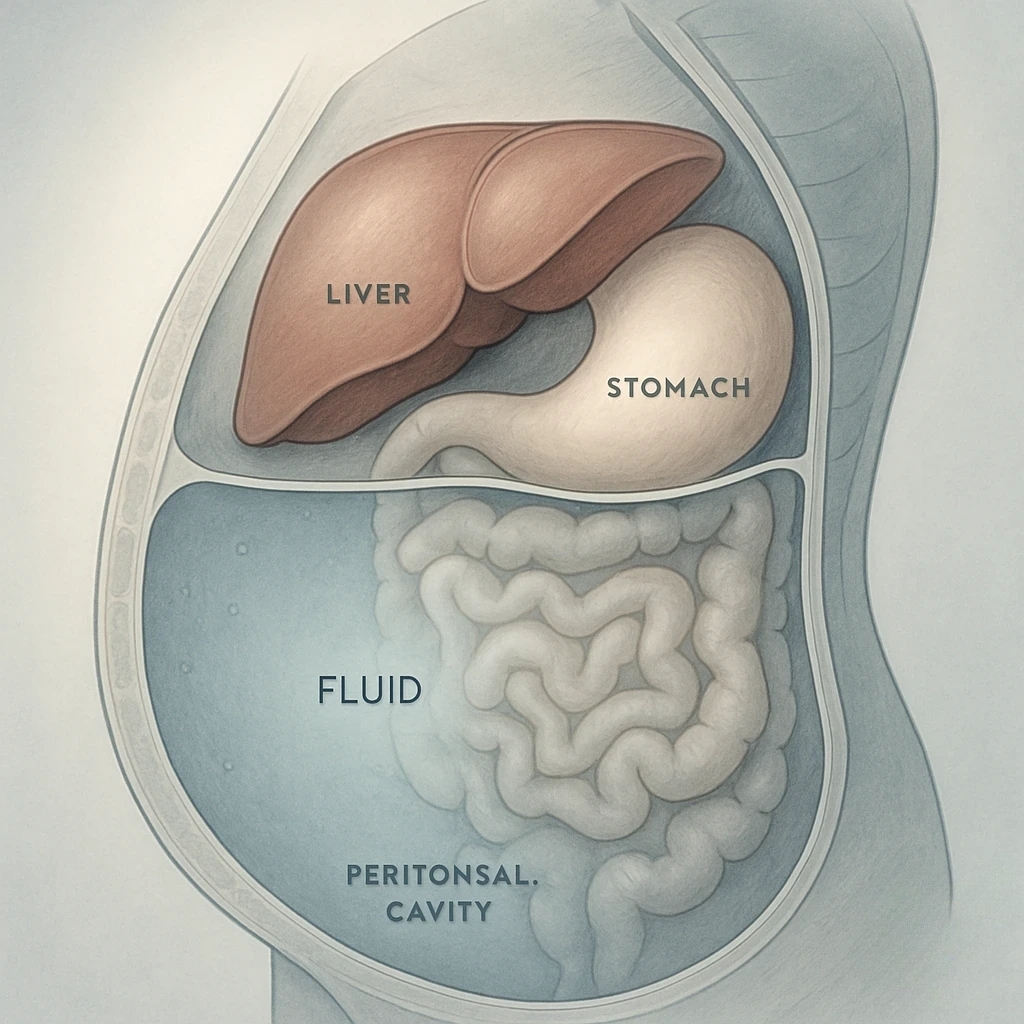
Swelling in the abdomen
Dark urine
Persistent fatigue
Screening and Diagnosis
Doctors may use:
Blood tests
Imaging scans
Liver biopsy (in severe cases)
Early detection can reverse damage before it becomes permanent.
Global Health Perspective
Liver disease is rising worldwide due to:
Poor dietary habits
Urban lifestyles
Increasing obesity rates
Non-alcoholic fatty liver disease alone affects millions, many of whom are unaware of their condition.
The Truth You Need to Remember
Key Takeaways
The liver can regenerate, but not infinitely
The “75% damage” claim applies only in controlled conditions
Chronic damage leads to irreversible scarring
Liver disease often progresses silently
Early action can save your life
Conclusion
Your liver is incredibly powerful — but it is not indestructible.
The myth that it can regrow no matter how much damage you cause has created a dangerous illusion. In reality, your daily habits are either helping your liver heal or pushing it closer to failure.
The silent nature of liver disease means you may not notice anything until it’s too late. But the good news is that your liver also responds quickly to positive changes.
Every healthy choice you make today gives your liver a chance to repair, regenerate, and protect you for years to come.

You must be logged in to post a comment.