
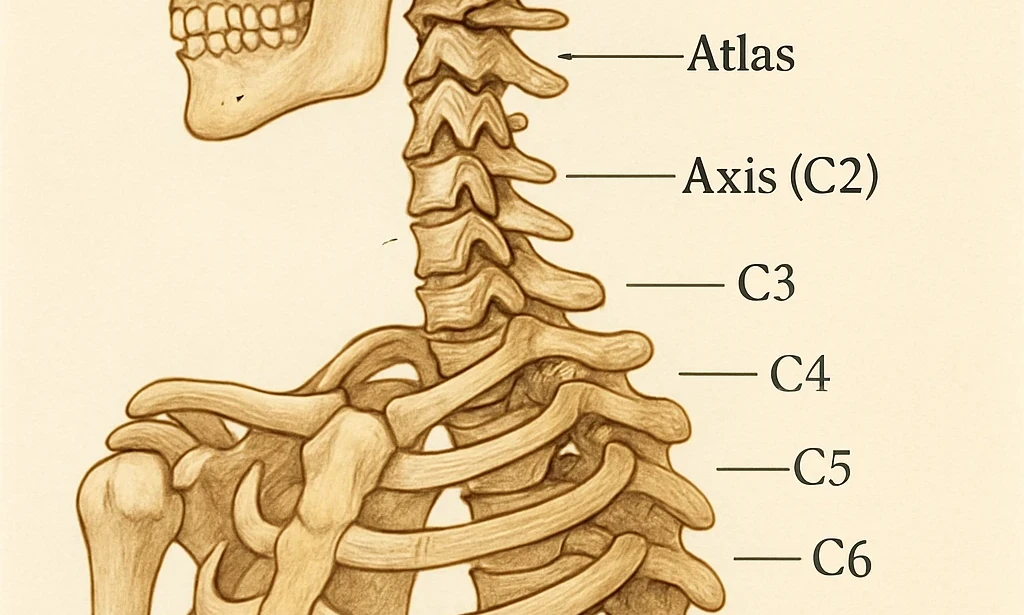
Your Body Is Quietly Collapsing: The Hidden Posture Crisis That Is Reshaping Human Skeletons Without You Knowing
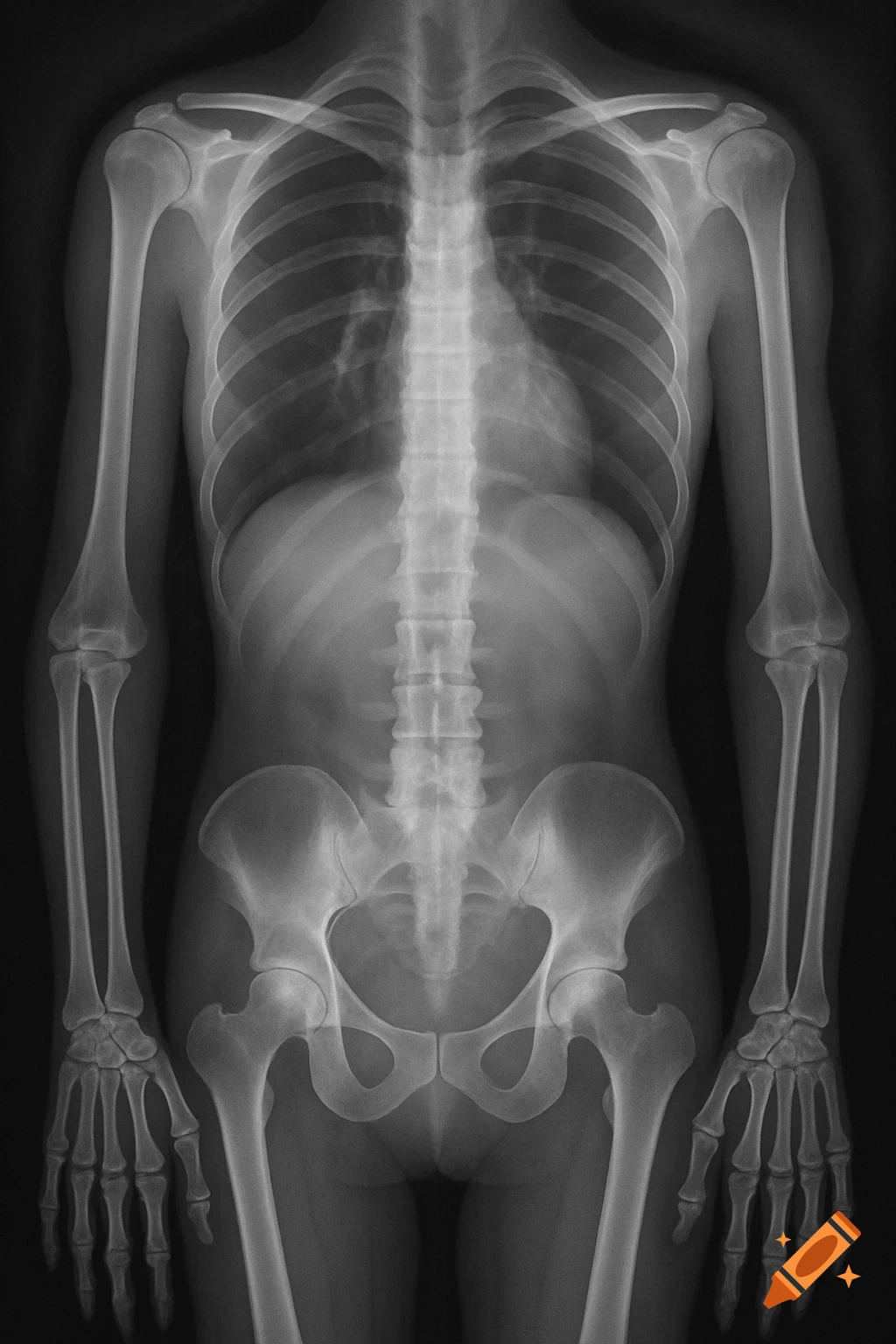
Introduction
Look around you—on buses, in offices, at home. Heads bent. Shoulders rounded. Spines curved like question marks. It’s subtle, almost invisible in the moment. But over time, this everyday posture is quietly rewriting the human body.
We are living through a posture crisis—a slow, silent transformation of our skeletal structure driven by modern lifestyles. Hours spent hunched over smartphones, laptops, and desks are not just causing discomfort—they are reshaping bones, weakening muscles, compressing organs, and accelerating long-term health issues.
The most alarming part? You likely won’t notice it until the damage is already done.
This article dives deep into how poor posture is changing the human body, the science behind it, warning signs you might be ignoring, and how to reverse the damage before it becomes permanent.
What Is the “Hidden Posture Crisis”?
The hidden posture crisis refers to the widespread and growing issue of chronic poor body alignment caused by modern habits—especially prolonged sitting and device use.
Why It’s “Hidden”
It develops slowly over months or years
Symptoms often feel “normal” (like mild back pain or stiffness)
It’s rarely treated until it becomes severe
Many people don’t associate it with serious health risks
The Modern Lifestyle Problem
Today’s routine encourages poor posture:
Sitting for 6–10 hours daily
Constant smartphone use (“text neck”)
Minimal physical activity
Poor ergonomic environments
Your body was designed to move—but modern life forces it to collapse inward.
How Poor Posture Is Physically Reshaping Your Body
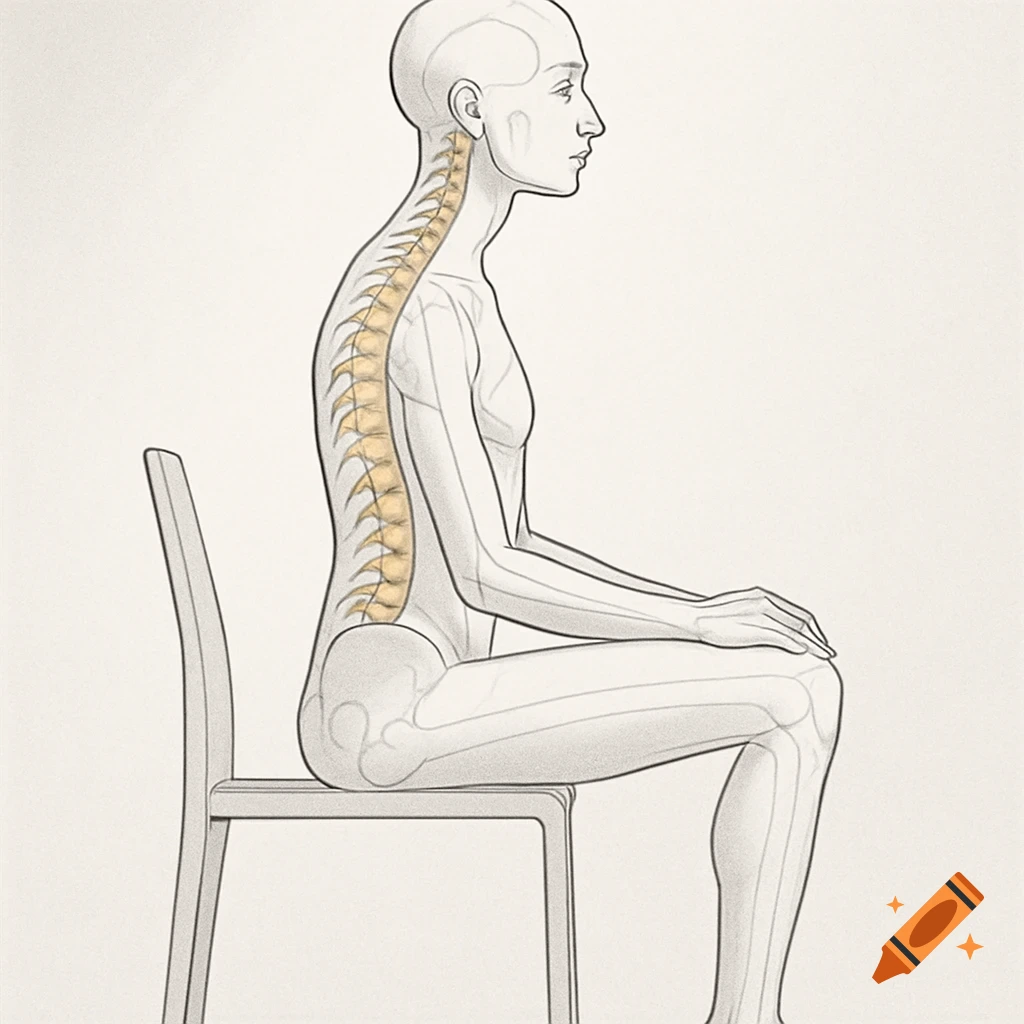
Posture isn’t just about appearance—it directly affects your skeletal structure.
1. Forward Head Posture (Text Neck)
When you tilt your head forward:
The effective weight of your head increases dramatically
Neck muscles strain to support the load
The cervical spine begins to curve unnaturally
Long-Term Effects
Chronic neck pain
Headaches
Early spinal degeneration
2. Rounded Shoulders and Collapsed Chest
Sitting hunched forward causes:
Tight chest muscles
Weak upper back muscles
Shoulders pulled forward permanently
Consequences
Reduced lung capacity
Shallow breathing
Increased fatigue
3. Spinal Curvature Changes
Your spine has natural curves—but poor posture exaggerates them.
Types of Damage
Excessive kyphosis (hunched upper back)
Flattened lower spine
Imbalanced posture alignment
Over time, your spine may adapt permanently to this misalignment.
4. Pelvic Tilt and Lower Back Pain
Sitting too long leads to:
Tight hip flexors
Weak glutes
Anterior pelvic tilt
Resulting Issues
Chronic lower back pain
Reduced mobility
Increased injury risk
5. Muscle Imbalances Across the Body
Poor posture doesn’t just affect bones—it disrupts muscle balance.
What Happens
Some muscles become overactive (tight)
Others become underactive (weak)
This imbalance creates a chain reaction affecting:
Movement efficiency
Strength
Stability
The Science: Why Your Body Adapts (Even When It Hurts)
Your body is incredibly adaptive. Unfortunately, it doesn’t distinguish between good and bad habits.
The Principle of Adaptation
Bones remodel based on stress
Muscles shorten or lengthen depending on use
Ligaments adjust to repeated positioning
If you sit hunched every day, your body assumes:
“This is your normal posture.”
And it starts to lock it in.
Neuroplasticity and Posture
Your brain also plays a role:
It creates “default” posture patterns
Over time, bad posture feels natural
Good posture feels uncomfortable
This is why correcting posture can feel awkward at first.
Warning Signs Your Body Is Already Collapsing
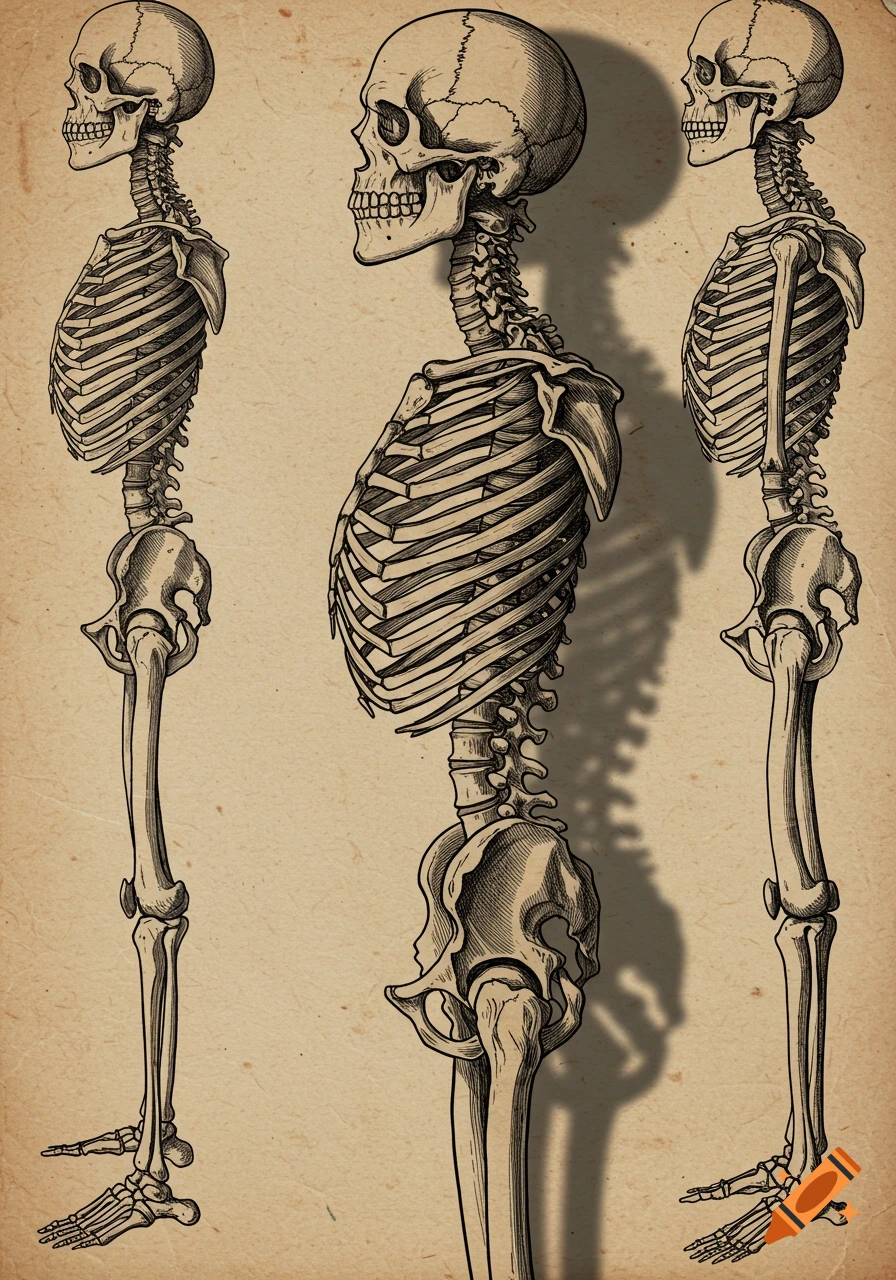
Most people ignore early signs until pain becomes severe.
Subtle Symptoms to Watch For
Frequent neck stiffness
Shoulder tightness
Lower back discomfort
Fatigue after sitting
Reduced flexibility
More Serious Red Flags
Chronic headaches
Tingling or numbness
Persistent pain
Difficulty standing upright
If you notice these, your posture is already affecting your body significantly.
The Hidden Health Risks Beyond Pain
Poor posture doesn’t just cause aches—it affects your entire system.
1. Reduced Lung Function
Collapsed posture compresses the chest, leading to:
Shallow breathing
Lower oxygen intake
Reduced energy levels
2. Digestive Problems
Slouching compresses abdominal organs:
Slower digestion
Acid reflux
Bloating
3. Poor Circulation
Sitting for long periods restricts blood flow:
Cold extremities
Increased fatigue
Risk of long-term vascular issues
4. Mental Health Impact
Posture affects mood more than you think.
Research suggests:
Slouched posture is linked to low energy
Upright posture improves confidence
Body language influences emotional state
Why This Crisis Is Getting Worse
The posture problem is accelerating due to technology and lifestyle shifts.
Key Factors
Smartphone addiction
Remote work culture
Reduced outdoor activity
Lack of physical awareness
The “Comfort Trap”
Modern life prioritizes comfort:
Soft chairs
Long sitting sessions
Minimal movement
But comfort is deceptive—it slowly weakens your body.
Can the Damage Be Reversed?
The good news: yes—to a large extent.
But timing matters.
Early Stage
Fully reversible
Requires habit changes
Muscle strengthening restores balance
Mid Stage
Partial structural adaptation
Needs consistent correction
May require therapy or guided exercise
Late Stage
Structural changes may be permanent
Pain management becomes priority
Improvement still possible, but limited
How to Fix Your Posture Before It’s Too Late
Correcting posture isn’t about forcing yourself to “sit straight.” It’s about retraining your body.
H2: Daily Habits That Protect Your Spine
1. Fix Your Sitting Position
Keep feet flat on the floor
Maintain a neutral spine
Avoid slouching
2. Adjust Your Screen Height
Screen at eye level
Avoid bending your neck down
Keep devices aligned with your gaze
3. Take Movement Breaks
Stand every 30–60 minutes
Stretch your body
Walk briefly
4. Strengthen Postural Muscles
Focus on:
Upper back
Core
Glutes
5. Stretch Tight Areas
Key areas to stretch:
Chest
Hip flexors
Neck
H2: Simple Exercises to Reverse Damage
1. Chin Tucks
Strengthens neck alignment
Reduces forward head posture
2. Wall Angels
Improves shoulder mobility
Opens chest
3. Planks
Builds core stability
Supports spinal alignment
4. Glute Bridges
Activates weak glutes
Corrects pelvic tilt
5. Thoracic Extensions
Restores upper back mobility
Counters slouching
H2: Ergonomics That Actually Work
Your environment matters more than you think.
Ideal Setup
Chair supports lower back
Screen at eye level
Keyboard at elbow height
Common Mistakes
Working from bed
Using laptops without support
Sitting too long without breaks
The Role of Awareness: The First Step to Change
Most people don’t fix posture because they don’t notice it.
Build Awareness
Check your posture regularly
Use reminders or apps
Practice mindful sitting
The “Posture Reset” Habit
Every hour:
Sit upright
Pull shoulders back
Align head over spine
Take deep breaths
This simple reset can prevent long-term damage.
The Future: Are Humans Evolving Poor Posture?
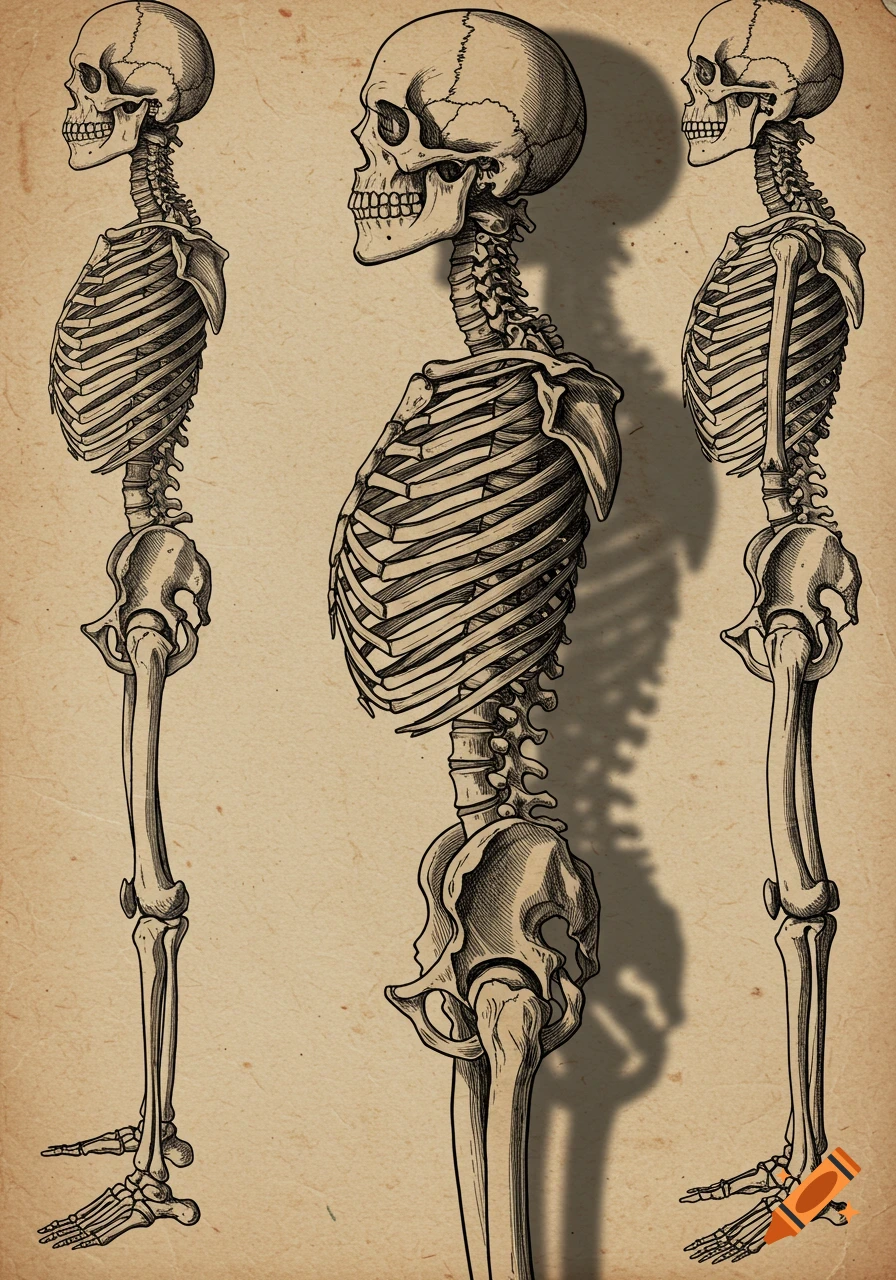
Some researchers believe prolonged poor posture could lead to:
Permanent skeletal adaptations
Changes in spine curvature
New “default” body alignment
While evolution takes generations, lifestyle-driven changes are already visible.
The Real Cost of Ignoring Posture
Ignoring posture doesn’t just affect comfort—it impacts:
Productivity
Health
Confidence
Longevity
You may not feel it today—but your future body will.
Conclusion
Your body is always listening to your habits.
Every hour spent slouched is a message:
“This is how I want to live.”
And your body responds—by adapting, reshaping, and eventually locking in those patterns.
The posture crisis isn’t dramatic. It’s quiet. Gradual. Invisible.
But it’s happening.
The good news? You can stop it.
By becoming aware, moving more, strengthening your body, and correcting daily habits, you can protect your spine, restore alignment, and prevent long-term damage.
Your posture is not just how you sit or stand—it’s how your body survives the modern world.

You must be logged in to post a comment.