
The Silent Blood Killer: Everyday Foods That Slowly Thin Your Blood
Introduction
Most people worry about high cholesterol, sugar, or blood pressure when thinking about diet-related health problems. But very few realize that some everyday foods may quietly affect the thickness of their blood—sometimes without warning.
Blood thinning itself is not always dangerous. In fact, doctors often prescribe blood-thinning medications to prevent strokes, heart attacks, and dangerous clots. The real problem begins when people unknowingly combine natural blood-thinning foods with medications, supplements, dehydration, alcohol, or underlying health conditions.
Over time, this hidden combination can increase the risk of:
Easy bruising
Internal bleeding
Nosebleeds
Heavy menstrual bleeding
Dangerous bleeding after injury
Brain hemorrhage in severe cases
What makes this issue especially alarming is that many of these foods are marketed as “superfoods” or “healthy lifestyle choices.”
This article explores the everyday foods and drinks that may slowly thin your blood, how they work inside the body, warning signs to watch for, and how to consume them safely.
What Does “Blood Thinning” Actually Mean?
Blood thinning refers to reducing the blood’s ability to clot normally.
Your body naturally forms clots to stop bleeding after injuries. This process depends on:
Platelets
Vitamin K
Clotting proteins
Healthy liver function
Certain foods contain natural compounds that interfere with these mechanisms. Some reduce platelet activity, while others affect clotting chemicals in the liver.
When consumed in large amounts—or combined with medications like warfarin or aspirin—the effect can become dangerous.
Why Silent Blood Thinning Is So Dangerous
The danger is often invisible at first.
Unlike food poisoning or allergies, blood thinning builds gradually. Many people experience mild symptoms for months before recognizing a problem.
Common Early Signs
Bruising easily
Bleeding gums while brushing teeth
Frequent nosebleeds
Cuts that bleed longer than usual
Unusually heavy periods
Feeling weak after minor blood loss
Severe Symptoms
Blood in urine or stool
Vomiting blood
Sudden severe headache
Dizziness or fainting
Internal bleeding
Stroke-like symptoms
Ignoring these warning signs can become life-threatening.
How Certain Foods Thin the Blood
Different foods affect clotting in different ways.
Some Reduce Platelet Function
Platelets help blood clot. Certain compounds stop them from sticking together properly.
Examples include:
Garlic
Ginger
Turmeric
Alcohol
Some Interfere With Vitamin K
Vitamin K is essential for clot formation.
Some foods or supplements reduce the body’s ability to use vitamin K effectively.
Some Contain Natural Salicylates
Salicylates are natural chemicals similar to aspirin.
They can mildly thin the blood over time.
Foods high in salicylates include:
Berries
Spices
Tomatoes
Certain herbs
Garlic: The Hidden Natural Blood Thinner
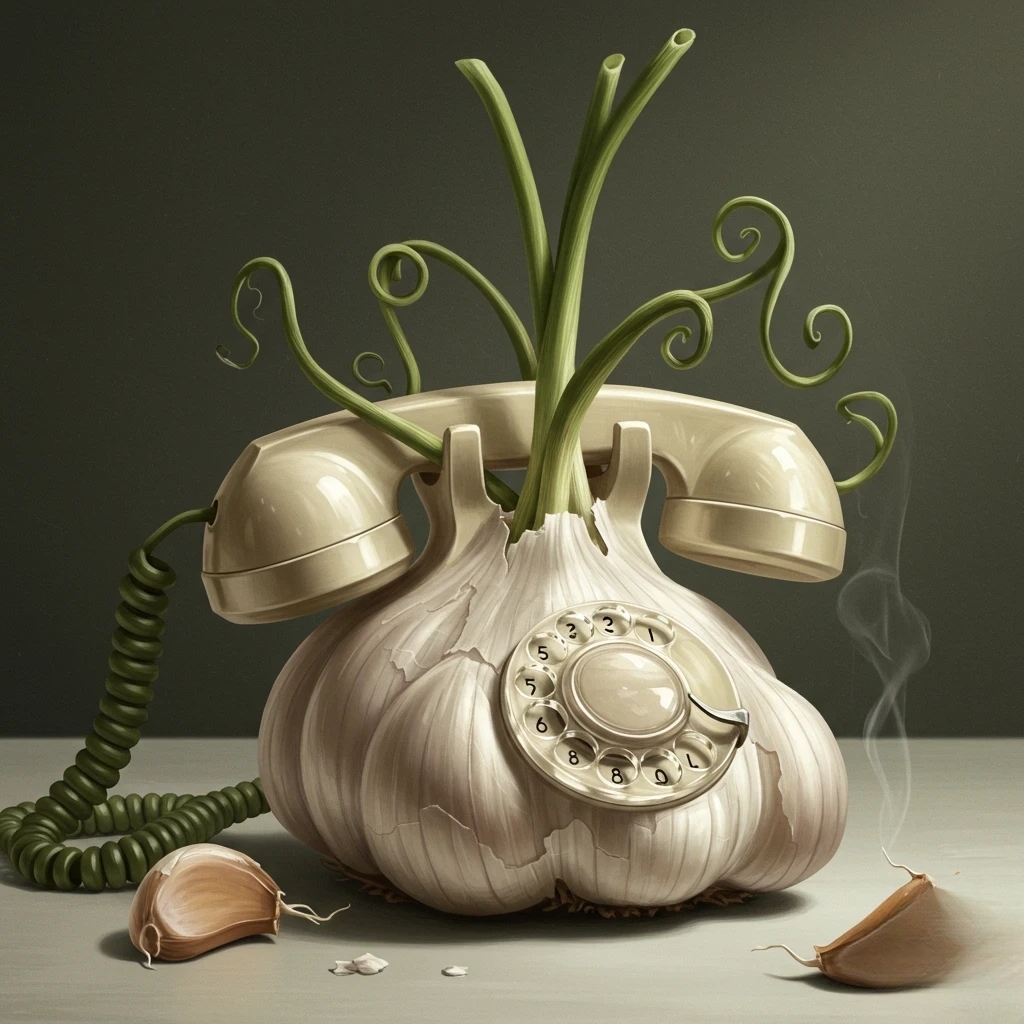
Garlic is praised for heart health, immunity, and cholesterol control. But it also contains sulfur compounds that can strongly reduce platelet clotting.
Why Garlic Can Become Dangerous
Large amounts of garlic may:
Increase bleeding risk
Intensify blood thinner medications
Cause surgical complications
Studies have shown that excessive garlic supplementation may prolong bleeding time significantly.
High-Risk Garlic Consumption
Risk increases when people consume:
Garlic supplements
Raw garlic daily
Garlic detox drinks
Concentrated garlic extracts
Warning Signs
Easy bruising
Bleeding gums
Nosebleeds
Ginger: Healthy but Potentially Risky
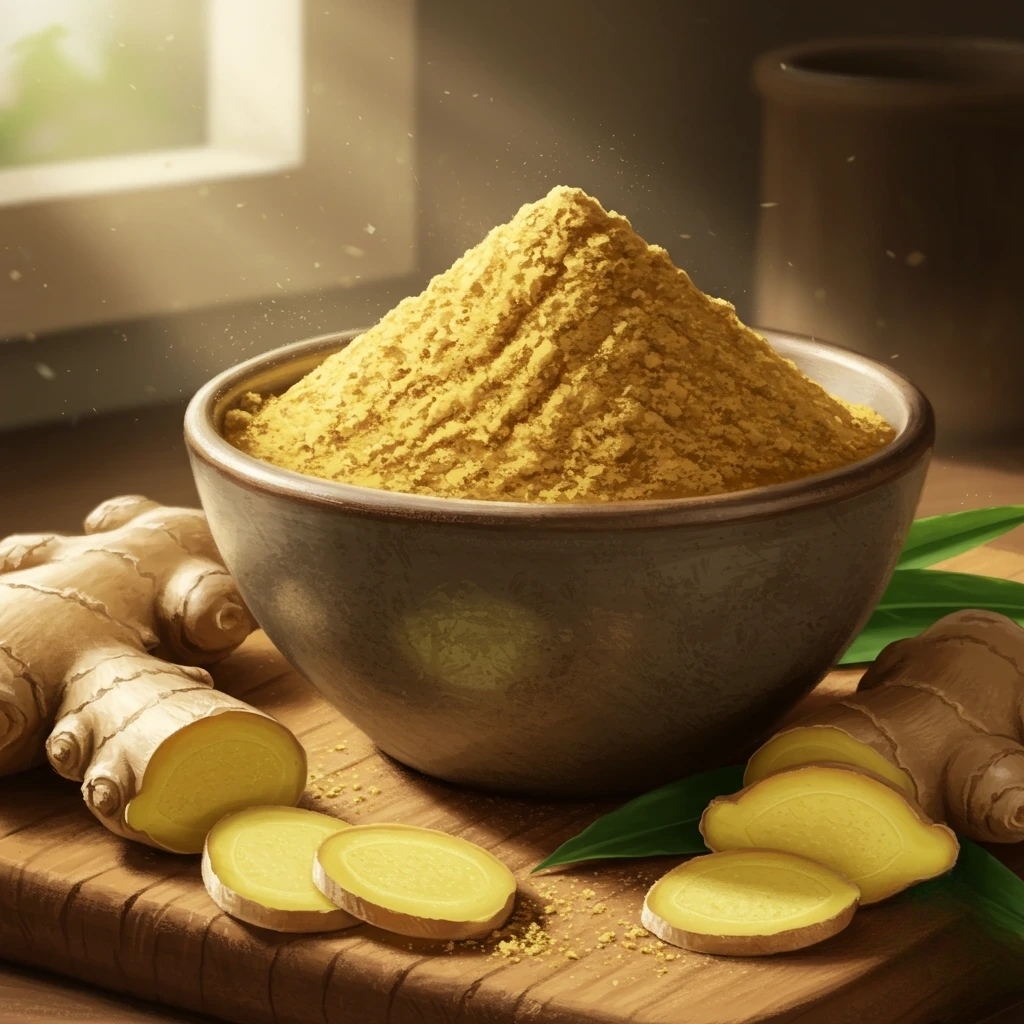
Ginger is famous for reducing nausea, inflammation, and digestive problems.
However, ginger also contains compounds that reduce platelet aggregation.
Why This Matters
Drinking large quantities of:
Ginger tea
Ginger shots
Ginger supplements
may increase bleeding risk, especially in older adults.
Dangerous Combinations
Ginger becomes more risky when combined with:
Aspirin
Warfarin
Ibuprofen
Fish oil supplements
Turmeric: The “Golden Spice” With a Dark Side
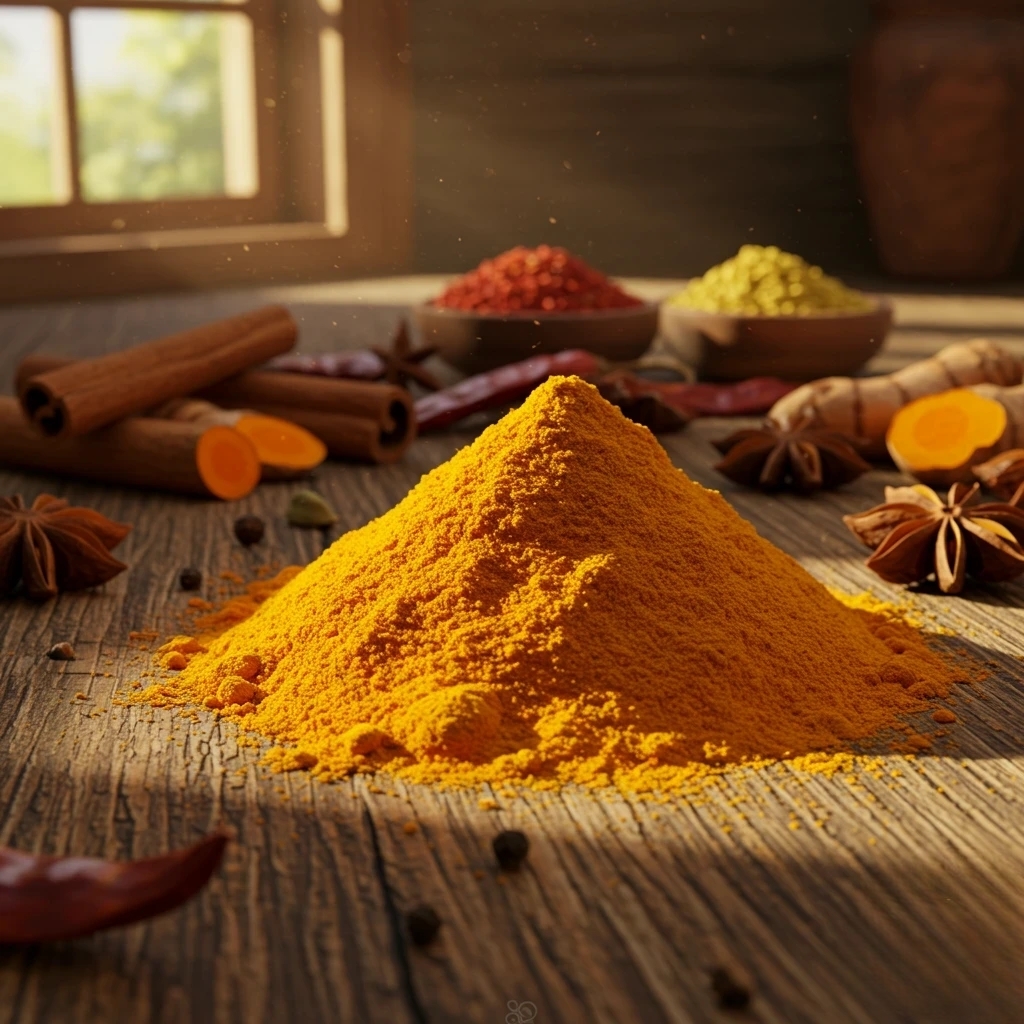
Turmeric has exploded in popularity due to its anti-inflammatory reputation.
Its active ingredient, curcumin, may naturally thin blood by slowing clot formation.
Why Excess Turmeric Is Risky
Many people now consume turmeric in:
Smoothies
Capsules
Teas
Golden milk drinks
Detox beverages
High doses may increase bleeding risk dramatically.
People at Higher Risk
Elderly adults
Surgery patients
People taking anticoagulants
Individuals with clotting disorders
Fish Oil: Heart Healthy but Blood-Thinning
Fish oil supplements contain omega-3 fatty acids that help reduce inflammation and improve heart health.
But omega-3s can also reduce clotting ability.
Symptoms of Excessive Fish Oil Intake
Frequent nosebleeds
Easy bruising
Bleeding gums
Slow wound healing
Risky Dosage Levels
Very high supplemental doses pose greater risks than eating normal fish servings.
People often unknowingly double their intake through:
Capsules
Fortified foods
Omega-3 drinks
Green Tea: Not Always Harmless
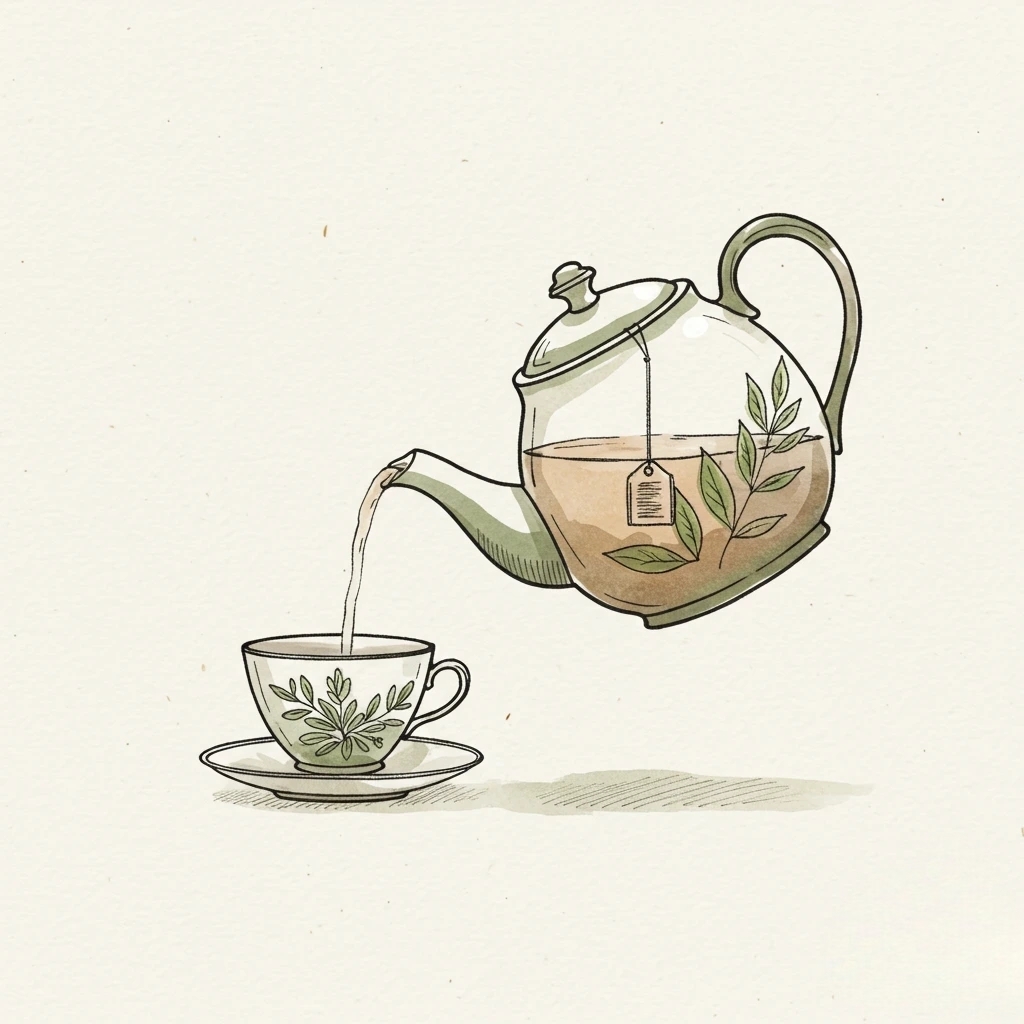
Green tea is loaded with antioxidants, but excessive intake may interfere with blood clotting in sensitive individuals.
Why It Happens
Green tea contains compounds that may:
Affect platelet activity
Interact with blood-thinning medications
Alter vitamin K balance
Hidden Risk
Many people assume herbal drinks are automatically safe because they are “natural.”
But concentrated green tea extracts can sometimes become problematic.
Alcohol: One of the Biggest Hidden Blood Thinners

Alcohol affects the liver, which controls many clotting factors.
Regular or excessive drinking may reduce the blood’s ability to clot properly.
How Alcohol Increases Bleeding Risk
Alcohol can:
Damage liver function
Reduce platelet production
Increase stomach bleeding
Interact with medications
Dangerous Situations
The risk becomes severe when alcohol is combined with:
Aspirin
NSAIDs
Blood-thinning drugs
Certain supplements
Cranberry Juice and Unexpected Interactions
Cranberry juice is commonly marketed for urinary tract health.
But large amounts may interfere with blood clotting medications in some individuals.
Potential Problems
Research suggests cranberry compounds may intensify the effects of anticoagulants.
This may increase bleeding risks unexpectedly.
Chili Peppers and Spicy Foods
Capsaicin—the compound that makes peppers hot—may mildly reduce platelet clotting.
When Spicy Foods Become Risky
Moderate amounts are usually safe.
However, excessive intake combined with supplements or medications may increase bleeding tendencies.
Dark Chocolate: A Surprising Blood Thinner
Dark chocolate contains flavonoids that support heart health.
But these same compounds may also reduce platelet stickiness.
Why Moderation Matters
Occasional consumption is generally safe.
Problems may arise with:
High-cocoa chocolate daily
Cocoa supplements
Multiple blood-thinning foods combined together
Vitamin E: The Supplement Many People Overlook
Vitamin E is found naturally in:
Nuts
Seeds
Oils
Supplements
High doses may interfere with clotting and increase bleeding risk.
Hidden Danger
Many multivitamins already contain vitamin E, and people often add extra supplements without realizing total intake levels.
Foods Rich in Natural Salicylates
Some foods naturally contain aspirin-like compounds.
Examples Include
Tomatoes
Berries
Oranges
Grapes
Curry powder
Paprika
Almonds
For most people, these foods are harmless.
But sensitive individuals or those taking medications should be cautious about excessive intake.
The Dangerous Supplement Combination Problem
One of the biggest modern health risks is combining multiple “healthy” products together.
Example of a High-Risk Combination
A person may consume:
Garlic supplements
Turmeric tea
Fish oil capsules
Green smoothies
Daily aspirin
Individually, each seems harmless.
Together, they may significantly increase bleeding risk.
Who Is Most Vulnerable?
Some groups face much higher danger from dietary blood thinning.
Older Adults
Aging naturally increases bleeding vulnerability.
People Taking Blood Thinners
Examples include:
Warfarin
Heparin
Apixaban
Rivaroxaban
Surgery Patients
Certain foods may increase surgical bleeding risk.
Doctors often recommend stopping supplements before operations.
People With Liver Disease
The liver controls clotting proteins, making these individuals especially vulnerable.
Signs You May Be Consuming Too Many Blood-Thinning Foods
Pay attention to subtle body changes.
Common Warning Signs
Bruising from light contact
Bleeding after flossing
Frequent nosebleeds
Blood in stool
Prolonged bleeding from cuts
Tiny red spots under skin
Serious Emergency Symptoms
Seek medical help immediately for:
Sudden severe headache
Vomiting blood
Black stools
Fainting
Confusion
Severe weakness
How Doctors Diagnose Blood-Thinning Problems
Doctors may use several tests.
Common Tests
Platelet count
INR test
PT/INR clotting studies
Liver function tests
Bleeding time tests
These help determine whether blood clotting is impaired.
Can Healthy Foods Really Become Dangerous?
Yes—but context matters.
Most of these foods are healthy in normal amounts.
The real danger comes from:
Excessive consumption
Supplements
Combining multiple blood thinners
Ignoring medication interactions
Natural does not always mean harmless.
How to Safely Consume These Foods
You do not need to fear healthy foods.
Instead, focus on balance and awareness.
Smart Safety Tips
Avoid Excessive Supplement Use
Whole foods are generally safer than concentrated extracts.
Tell Your Doctor About Supplements
Many people forget to mention herbal products.
Stop Certain Supplements Before Surgery
Doctors often recommend stopping:
Garlic
Fish oil
Turmeric
Ginger
before medical procedures.
Watch for Bleeding Symptoms
Never ignore unexplained bruising or bleeding.
Avoid “Mega Dosing”
More is not always better.
The Internet Health Trend Problem

Modern wellness culture encourages extreme consumption of “miracle” foods.
Examples include:
Turmeric shots
Garlic cleanses
Ginger detox drinks
Massive supplement stacks
These trends often ignore dosage safety and medical interactions.
What begins as “healthy living” can slowly create serious complications.
The Truth About Blood-Thinning Foods
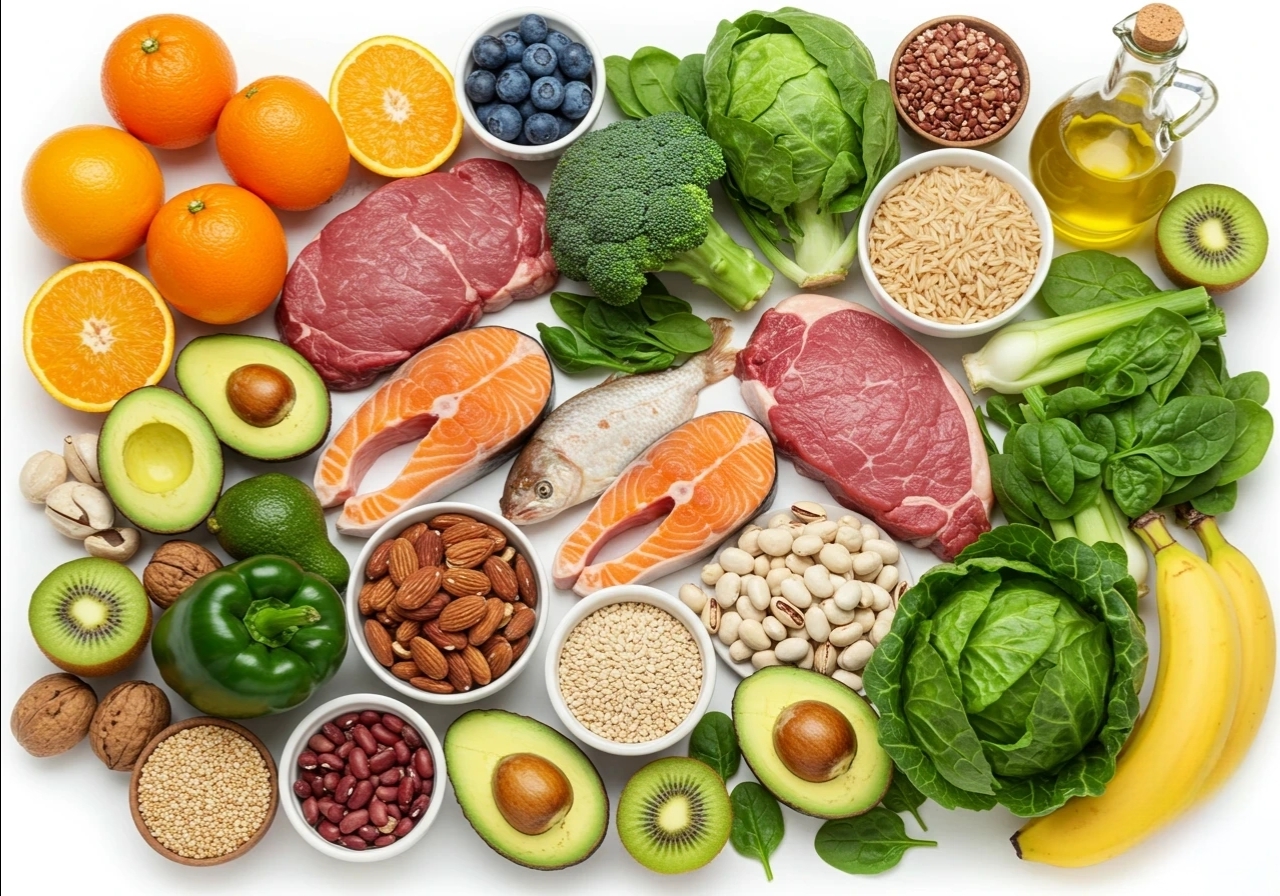
Most blood-thinning foods are not dangerous by themselves.
In fact, many support heart health and reduce inflammation.
The key issue is imbalance.
When people combine:
Multiple supplements
Prescription medications
Herbal remedies
Extreme diets
the body’s clotting system may become dangerously disrupted.
Conclusion
The foods we consider healthy can sometimes carry hidden risks when consumed excessively or combined carelessly.
Garlic, turmeric, ginger, fish oil, alcohol, green tea, and other common items may slowly affect your blood’s ability to clot—often without obvious symptoms at first.
This does not mean these foods are “bad.” Many offer genuine health benefits when consumed responsibly.
But awareness matters.
Understanding how everyday foods influence your body can help you avoid dangerous interactions, recognize early warning signs, and make smarter health decisions before small problems become medical emergencies.
The silent blood killer is not always a disease.
Sometimes, it is hidden quietly inside everyday habits.
Frequently Asked Questions (FAQs)
Can food really thin your blood naturally?
Yes. Certain foods and supplements contain compounds that reduce clotting or platelet function.
Is garlic dangerous for people on blood thinners?
Large amounts or supplements may increase bleeding risk when combined with anticoagulant medications.
Should I stop eating turmeric completely?
No. Moderate dietary turmeric is usually safe for most people.
Can fish oil cause bleeding?
Very high doses may increase bruising and bleeding tendencies.
Are natural blood thinners safer than medications?
Not always. Natural substances can still cause dangerous interactions and side effects.
When should I see a doctor?
Seek medical advice if you notice unusual bruising, prolonged bleeding, or blood in stool or urine.

You must be logged in to post a comment.