
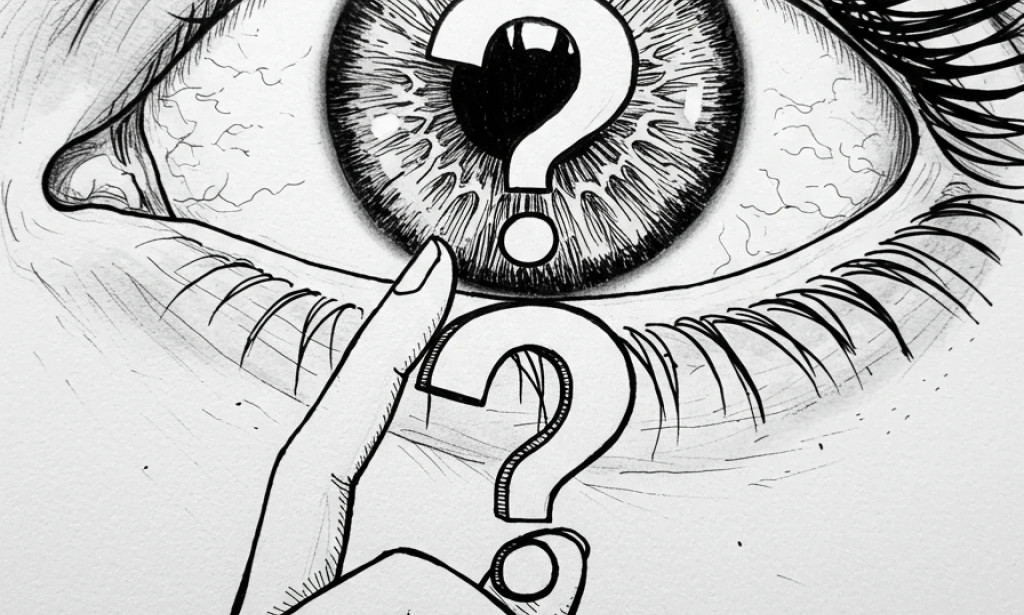
Those Who Look Only With the Eye Are Often Deceived: Learn to See With the Heart

Introduction
In a world dominated by appearances, instant judgments, and surface-level perceptions, we are constantly encouraged to “see to believe.” From social media filters to carefully curated lifestyles, the human eye has become both a powerful tool—and a frequent source of deception. We trust what we see, often without question. But what if what we see is not the truth?
The idea that “those who look only with the eye are often deceived” challenges this deeply rooted habit. It invites us to explore a deeper form of perception—one that transcends physical sight. It calls us to develop the “eye of the heart,” an inner awareness that perceives truth, authenticity, and meaning beyond appearances.
This article explores the profound difference between seeing with the eyes and seeing with the heart. It uncovers how relying solely on external perception can mislead us, and how cultivating inner vision can transform our relationships, decisions, and understanding of the world.
The Illusion of Physical Sight
Why the Eye Can Be Misleading
The human eye is a remarkable organ, capable of capturing intricate details and vibrant colors. Yet, it is not infallible. What we see is often shaped by:
Biases and preconceived notions
Cultural conditioning
Emotional states
Limited context
Our brains interpret visual data based on past experiences. This means two people can look at the same situation and perceive entirely different realities.
Common Ways We Are Deceived by Appearances
Judging people by looks: Assuming character based on appearance
Material illusions: Equating wealth with happiness or success
Social media distortion: Mistaking curated lives for real ones
First impressions: Forming lasting opinions within seconds
These examples highlight how easily the eye can be tricked. What appears “real” is often a carefully constructed illusion.
The Concept of Seeing With the Heart

What Does It Mean to See With the Heart?
Seeing with the heart is not about abandoning logic or reason. Instead, it involves:
Intuition
Empathy
Emotional intelligence
Inner awareness
It is the ability to perceive truth beyond what is visible. It allows us to sense authenticity, understand unspoken emotions, and connect deeply with others.
The Eye of the Heart: A Deeper Intelligence
The “eye of the heart” refers to an inner clarity that:
Recognizes sincerity over performance
Feels truth rather than merely observing it
Understands intentions behind actions
Unlike the physical eye, the heart is less influenced by external distractions. It operates from a place of depth and wisdom.
The Science Behind Perception and Intuition
How the Brain Interprets Reality
Our brain does not passively receive information—it actively constructs reality. Visual perception is influenced by:
Memory
Expectations
Emotional triggers
This means what we “see” is not always objective truth, but a mental interpretation.
The Role of Intuition in Decision-Making
Research in psychology shows that intuition plays a critical role in:
Quick decision-making
Social interactions
Recognizing danger or opportunity
Intuition is often described as “knowing without knowing why.” It is closely connected to emotional intelligence—the foundation of seeing with the heart.
Emotional Intelligence: The Heart’s Vision
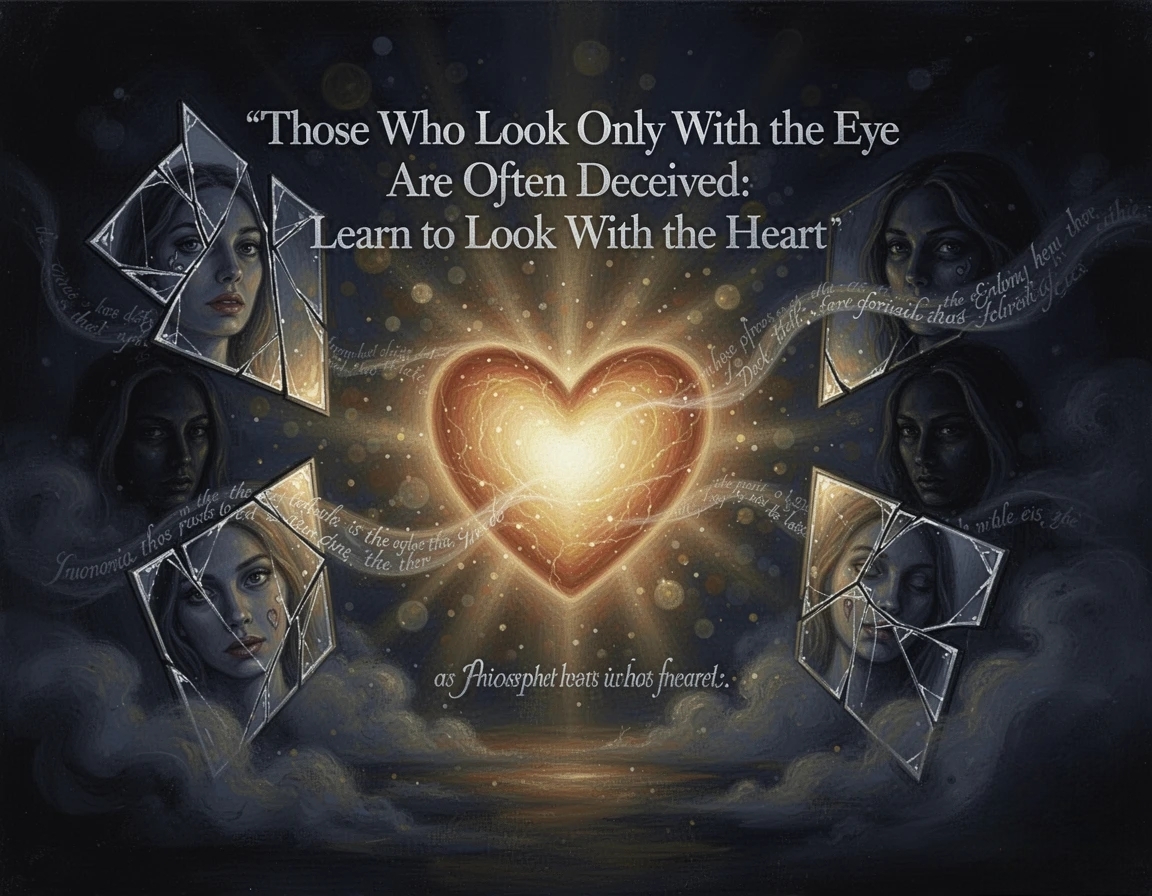
Understanding Emotional Intelligence
Emotional intelligence (EQ) is the ability to:
Recognize your own emotions
Understand others’ feelings
Manage emotional responses
Build meaningful relationships
People with high EQ are more likely to “see beyond” appearances.
Key Components of Heart-Based Perception
1. Self-Awareness
Understanding your own biases and emotions helps you see more clearly.
2. Empathy
The ability to feel what others feel allows deeper understanding beyond words.
3. Authentic Connection
Seeing with the heart fosters genuine relationships, not superficial ones.
4. Compassion
It encourages kindness and reduces judgment.
Why Seeing Only With the Eyes Leads to Deception
Surface-Level Thinking
When we rely only on visual perception, we:
Miss deeper meanings
Misinterpret intentions
Overlook hidden truths
The Danger of Assumptions
Assumptions are often based on incomplete information. They can lead to:
Misjudging people
Damaging relationships
Poor decisions
The Trap of External Validation
When we prioritize appearances, we become trapped in:
Seeking approval
Comparing ourselves to others
Chasing unrealistic standards
This creates a cycle of dissatisfaction and illusion.
The Power of Inner Vision
What Makes the Heart’s Eye Reliable?
Unlike the physical eye, the heart:
Is less influenced by external noise
Connects with deeper truths
Aligns with values and authenticity
Benefits of Seeing With the Heart
Better relationships: You understand people more deeply
Improved decision-making: You trust your intuition
Greater peace: You are less affected by illusions
Stronger self-awareness: You know yourself better
Real-Life Examples of Heart-Centered Perception
Example 1: Judging a Person
A well-dressed individual may appear confident and successful. However, looking with the heart might reveal:
Insecurity
Emotional struggles
Hidden pain
Conversely, someone with a simple appearance may possess:
Deep wisdom
Kindness
Integrity
Example 2: Social Media Reality
Photos often show perfection—but the heart can sense:
Loneliness behind smiles
Pressure behind success
Reality behind filters
Example 3: Relationships
In relationships, seeing with the heart helps you:
Understand unspoken needs
Recognize genuine care
Detect insincerity
How to Develop the Eye of the Heart
1. Practice Mindfulness
Mindfulness helps you become aware of:
Your thoughts
Your reactions
Your judgments
Simple practices:
Meditation
Deep breathing
Observing without reacting
2. Listen More Than You Speak
True understanding comes from listening deeply.
Focus on tone, not just words
Pay attention to body language
Notice what is not being said
3. Cultivate Empathy
Put yourself in others’ shoes.
Ask: “What might they be feeling?”
Avoid quick judgments
Seek to understand before reacting
4. Question Your Assumptions
Before forming conclusions, ask:
“Do I have all the facts?”
“Am I projecting my own beliefs?”
5. Connect With Your Inner Self
Spend time reflecting:
Journaling
Quiet contemplation
Self-inquiry
This strengthens your inner vision.
Barriers to Seeing With the Heart
Ego and Pride
The ego wants to be right. It resists deeper understanding.
Fear of Vulnerability
Seeing with the heart requires openness, which can feel risky.
Distractions and Noise
Constant stimulation (phones, media) prevents deep perception.
Conditioning and Bias
Society teaches us to judge quickly, often based on superficial traits.
The Role of Compassion in True Perception
Why Compassion Matters
Compassion allows you to:
See beyond flaws
Understand struggles
Connect with humanity
Compassion vs Judgment
CompassionJudgmentSeeks understandingSeeks to labelBuilds connectionCreates distanceEncourages growthLimits potential
When you see with compassion, you see more clearly.
Spiritual Perspectives on Seeing With the Heart
Many spiritual traditions emphasize inner vision:
The heart as a source of truth
Intuition as guidance
Love as a form of perception
These teachings suggest that the deepest truths cannot be seen—they must be felt.
The Impact on Personal Growth
Becoming More Authentic
When you see with the heart, you:
Value authenticity over appearance
Live according to your values
Stop chasing illusions
Strengthening Relationships
You build connections based on:
Trust
Understanding
Emotional depth
Making Better Life Decisions
Decisions guided by inner awareness are often:
More aligned
More fulfilling
Less regretful
Practical Daily Habits to Strengthen Heart Vision
Start your day with reflection
Pause before judging someone
Practice gratitude
Engage in meaningful conversations
Spend time in silence
These small habits can gradually transform your perception.
The Balance Between Eye and Heart
Why Both Are Important
This is not about rejecting the eyes—but balancing them with the heart.
The eye provides information
The heart provides understanding
Together, they create wisdom.
Avoiding Extremes
Too much reliance on eyes → deception
Too much reliance on emotions → confusion
The goal is harmony between logic and intuition.
Conclusion
In a world that constantly urges us to trust what we see, it takes courage to look deeper. The truth is, appearances can deceive—but the heart rarely does. When we rely only on our eyes, we risk misunderstanding people, situations, and even ourselves.
Learning to see with the heart is a transformative journey. It requires patience, awareness, and a willingness to go beyond the surface. But the rewards are profound: deeper connections, clearer understanding, and a more authentic life.
The next time you encounter a situation, pause for a moment. Don’t just look—feel. Don’t just observe—understand.
Because those who look only with the eye may be deceived.
But those who see with the heart discover truth that never fades.
Frequently Asked Questions (FAQs)
1. What does it mean to “see with the heart”?
It means perceiving beyond appearances using intuition, empathy, and emotional awareness.
2. Can intuition really be trusted?
Yes, when developed and balanced with logic, intuition is a powerful guide.
3. How can I improve my emotional intelligence?
Through self-awareness, empathy, active listening, and mindfulness practices.
4. Why do people rely so much on appearances?
Because it is quick, easy, and socially conditioned—but often misleading.
5. Is it possible to balance logic and intuition?
Absolutely. The best decisions often come from combining both.
6. How long does it take to develop this skill?
It’s a lifelong journey, but noticeable improvements can happen with consistent practice.

You must be logged in to post a comment.