

Why Some “Healthy” Foods Might Be Making You Sick
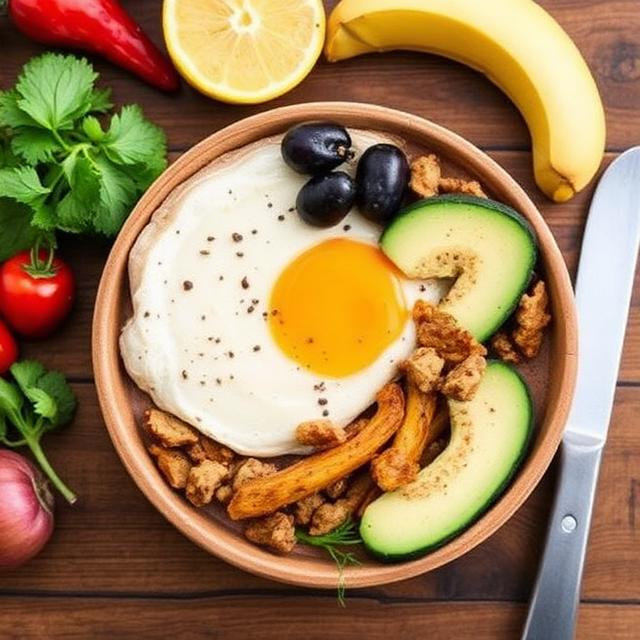
We’re constantly told to “eat clean,” “choose whole foods,” and “go natural.” Sounds simple, right? But here’s the plot twist: some foods marketed as healthy can quietly mess with your digestion, energy, hormones, or immune system—especially if you eat them often, in large amounts, or your body just doesn’t vibe with them.
This long-form, guide breaks down why some “healthy” foods might be making you sick, the science behind common reactions, and how to eat smarter without falling into fear-based food rules.
What Does “Healthy Food” Really Mean?
“Healthy” isn’t one-size-fits-all. Your genetics, gut health, allergies, lifestyle, and even stress levels affect how your body responds to food.
Why Healthy Foods Can Cause Problems
Individual food sensitivities
Digestive issues or weak gut lining
Hidden additives and processing
Overconsumption of certain nutrients
Misinformation and food marketing
Underlying medical conditions
The Difference Between Healthy and Healthful for You
A food can be nutritious in general
But still trigger bloating, fatigue, headaches, or skin issues for you
Your body’s response matters more than trends
Common Symptoms That Signal a “Healthy” Food Isn’t Working for You
Not all food reactions are dramatic. Some are subtle and chronic.
Digestive Symptoms
Bloating
Gas
Constipation
Diarrhea
Acid reflux
Whole-Body Symptoms
Fatigue
Brain fog
Joint pain
Skin breakouts
Headaches
Immune & Inflammatory Signals
Frequent colds
Sinus congestion
Low-grade inflammation
Food cravings
Healthy Foods That Commonly Cause Problems
Let’s talk about the usual suspects—foods praised for health benefits but often linked to digestive or immune issues.
Leafy Greens: Nutritious but Not Always Gentle
Spinach, kale, and arugula are nutrient powerhouses, but they can be tough on sensitive guts.
Why Leafy Greens Can Cause Issues
High in oxalates (linked to kidney stones)
High in fiber (can cause bloating)
Raw greens are harder to digest
Common Symptoms
Stomach cramps
Bloating
Mineral absorption issues
Smarter Ways to Eat Greens
Lightly steam or sauté instead of eating raw
Rotate greens (don’t eat spinach daily)
Pair with healthy fats to improve absorption
Nuts and Seeds: Healthy Fats With Hidden Downsides
Almonds, walnuts, chia seeds, and flaxseeds are often recommended for heart health—but they’re not always gut-friendly.
Why Nuts and Seeds Can Upset Your Stomach
High in phytic acid (blocks mineral absorption)
Hard-to-digest fats
Can irritate sensitive digestive systems
Symptoms to Watch For
Bloating
Gas
Abdominal discomfort
How to Eat Nuts More Safely
Soak nuts overnight
Eat smaller portions
Choose nut butters instead of whole nuts
Whole Grains: “Healthy” Doesn’t Mean Easy to Digest
Whole grains are often praised over refined grains—but they can still trigger issues.
Why Whole Grains Can Cause Problems
Contain gluten and lectins
High fiber can irritate inflamed guts
Can spike blood sugar for some people
Common Problem Grains
Wheat
Barley
Rye
Healthier Grain Alternatives
White rice (easier to digest)
Quinoa (rinse well)
Buckwheat
Dairy Alternatives: Not Always the Healthier Choice
Plant-based milks are trendy, but not all are gentle on your body.
Why Dairy Alternatives Can Make You Sick
Additives and thickeners
Emulsifiers that irritate the gut
Hidden sugars
Ingredients to Watch Out For
Carrageenan
Gums (guar gum, xanthan gum)
Seed oils
Better Options
Homemade almond milk
Simple ingredient lists
Unsweetened varieties
Fermented Foods: Great for Gut Health… Sometimes
Kimchi, sauerkraut, kombucha, and yogurt are probiotic-rich—but they’re not for everyone.
Why Fermented Foods Can Cause Reactions
High histamine content
Can worsen IBS symptoms
Overgrowth of gut bacteria in sensitive people
Symptoms
Headaches
Flushing
Bloating
Anxiety
How to Introduce Fermented Foods Safely
Start with tiny amounts
Eat with meals
Monitor reactions
Superfoods That Aren’t So Super for Everyone
Superfoods are nutrient-dense, but that doesn’t mean unlimited consumption is safe.
Common Problematic Superfoods
Chia seeds
Goji berries
Spirulina
Raw cacao
Potential Issues
Digestive upset
Heavy metal contamination
Allergic reactions
Smoothies and “Clean Eating” Traps
Smoothies feel healthy—but can overload your system.
Why Smoothies Can Make You Feel Worse
Too much fruit sugar
Raw ingredients are harder to digest
Liquid calories spike blood sugar
Better Smoothie Habits
Add protein
Use cooked fruits/veggies
Limit portion sizes
Food Sensitivities vs. Food Allergies
These two get mixed up a lot—and they’re not the same thing.
Food Allergies
Immediate immune reaction
Can be life-threatening
Examples: peanuts, shellfish
Food Sensitivities
Delayed reaction
Symptoms appear hours or days later
Harder to identify
The Role of the Gut Microbiome
Your gut bacteria determine how well you tolerate certain foods.
How Gut Health Affects Food Reactions
Poor gut balance = more reactions
Antibiotics disrupt gut bacteria
Stress weakens digestion
Ways to Support Gut Health
Eat diverse foods
Get enough sleep
Reduce chronic stress
Avoid unnecessary antibiotics
Hidden Additives in “Healthy” Foods
Even organic or health-branded foods can contain irritants.
Common Additives That Cause Gut Issues
Artificial sweeteners
Emulsifiers
Preservatives
How to Read Labels Like a Pro
Short ingredient lists
Recognizable foods
Avoid chemical-sounding additives
Overeating Healthy Foods Can Backfire
Too much of anything—even “good” food—can cause problems.
Signs You’re Overdoing It
Constant bloating
Digestive discomfort
Nutrient imbalances
Balance Beats Perfection
Rotate foods
Avoid eating the same “health food” daily
Prioritize variety
How to Identify Which Healthy Foods Are Making You Sick
This is where you get strategic—not obsessive.
Step-by-Step Approach
Track symptoms in a food journal
Notice patterns
Eliminate one food at a time
Reintroduce slowly
When to Seek Professional Help
Persistent symptoms
Severe reactions
Suspected food intolerances
The Role of Lifestyle in Food Reactions
Food doesn’t act alone.
Non-Food Factors That Worsen Reactions
Chronic stress
Poor sleep
Eating too fast
Lack of stomach acid
How to Eat Healthy Without Getting Sick
You don’t need extreme diets—just smarter strategies.
Simple Rules for Eating Well
Choose variety
Cook more foods
Eat slowly
Listen to your body
Don’t force “superfoods”
Build a Sustainable Healthy Diet
Focus on real foods
Personalize your nutrition
Ditch food guilt
Stay flexible
Final Thoughts: Healthy Looks Different for Everyone
There’s no single “perfect” diet. The healthiest way to eat is the one that makes you feel energized, clear-headed, and strong.
Key Takeaways
Some healthy foods can cause real symptoms
Your body’s response matters more than food trends
Balance and variety beat rigid rules
Personalized nutrition is the future of health
Frequently Asked Questions
Can healthy foods cause inflammation?
Yes. Certain foods can trigger inflammation depending on gut health and sensitivities.
Should I avoid healthy foods completely if they bother me?
No. Modify preparation, portion size, or frequency before cutting them out entirely.
Are food sensitivity tests accurate?
Some tests can help, but symptom tracking and elimination diets are often more reliable.
Bottom Line
If you’ve been “eating healthy” but still feel bloated, tired, or foggy, you’re not broken—and you’re not imagining it. Some healthy foods just don’t agree with your body. The goal isn’t perfection. It’s progress, awareness, and choosing foods that truly support your health.

You must be logged in to post a comment.