
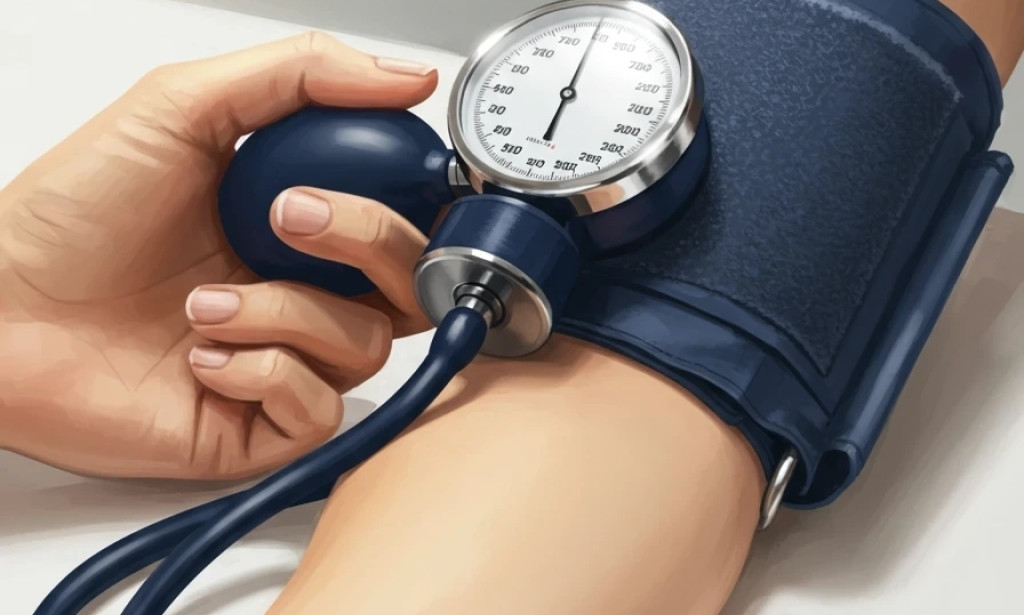
Your Blood Pressure Isn’t the Problem: The Silent Daily Habits Secretly Destroying Your Heart (Doctors Rarely Talk About This)
Introduction
When people think about heart health, one term dominates the conversation: blood pressure. It’s measured, monitored, and often blamed as the primary villain behind heart disease. But here’s the uncomfortable truth—your blood pressure may not be the root problem at all.
Instead, it’s often a symptom of deeper, hidden lifestyle patterns that slowly damage your cardiovascular system over time.
These habits don’t cause immediate pain. They don’t trigger alarms. And that’s exactly why they’re dangerous.
While medications and checkups focus on controlling numbers, the real damage often comes from everyday behaviors you barely notice—things you do automatically, repeatedly, and without question.
This article uncovers the silent daily habits quietly destroying your heart, why they matter more than you think, and what you can do to reverse the damage—starting today.
The Misunderstood Role of Blood Pressure
Blood Pressure: A Symptom, Not Always the Cause
High blood pressure (hypertension) is often treated as the central issue in heart disease. But in reality:
It’s often a warning signal
Not always the root cause
A result of deeper physiological stress
Your body raises blood pressure for reasons such as:
Chronic stress
Poor diet
Inflammation
Hormonal imbalance
Sedentary lifestyle
Treating blood pressure alone is like silencing a fire alarm without putting out the fire.
The Real Culprit: Chronic Lifestyle Stress
Your Body Is Under Constant Attack
Modern life creates a state of low-grade, chronic stress. This isn’t the obvious kind—like panic or fear—but a subtle, constant pressure on your body.
Examples include:
Mental overload
Poor sleep
Digital addiction
Nutritional deficiencies
Over time, this stress affects:
Blood vessels
Heart rhythm
Hormonal balance
Inflammation levels
1. Sitting Too Much: The New Smoking
Why Inactivity Is So Dangerous
Sitting for long hours slows down your entire cardiovascular system.
Effects on Your Heart:
Reduced blood circulation
Increased arterial stiffness
Lower oxygen delivery
Higher risk of clot formation
Even if you exercise for an hour, sitting all day can still:
Cancel out many benefits
Increase heart disease risk
Warning Signs
Cold hands and feet
Fatigue despite resting
Tightness in chest after long sitting
What You Can Do
Stand every 30–45 minutes
Walk for 5–10 minutes regularly
Use stairs instead of elevators
2. Hidden Sugar Consumption
It’s Not Just About Sweets
Most people associate sugar with desserts—but the real danger lies in hidden sugars.
Common Sources:
Packaged juices
Bread and bakery items
Sauces and condiments
Flavored yogurt
How Sugar Damages Your Heart

Increases inflammation
Damages blood vessel lining
Leads to insulin resistance
Raises triglyceride levels
The Silent Effect
You may not feel anything immediately, but over time:
Arteries become less flexible
Blood flow becomes restricted
Risk of heart attack increases
3. Poor Sleep: The Underrated Killer
Sleep Is When Your Heart Heals
During deep sleep:
Blood pressure drops naturally
Heart rate stabilizes
Blood vessels repair themselves
When sleep is disrupted, your body remains in stress mode.
Consequences of Poor Sleep
Elevated blood pressure
Increased cortisol (stress hormone)
Higher risk of heart disease
Weight gain and cravings
Signs You’re Not Sleeping Well
Waking up tired
Frequent night awakenings
Brain fog during the day
Improve Your Sleep
Maintain a consistent sleep schedule
Avoid screens before bed
Limit caffeine after evening
4. Chronic Dehydration
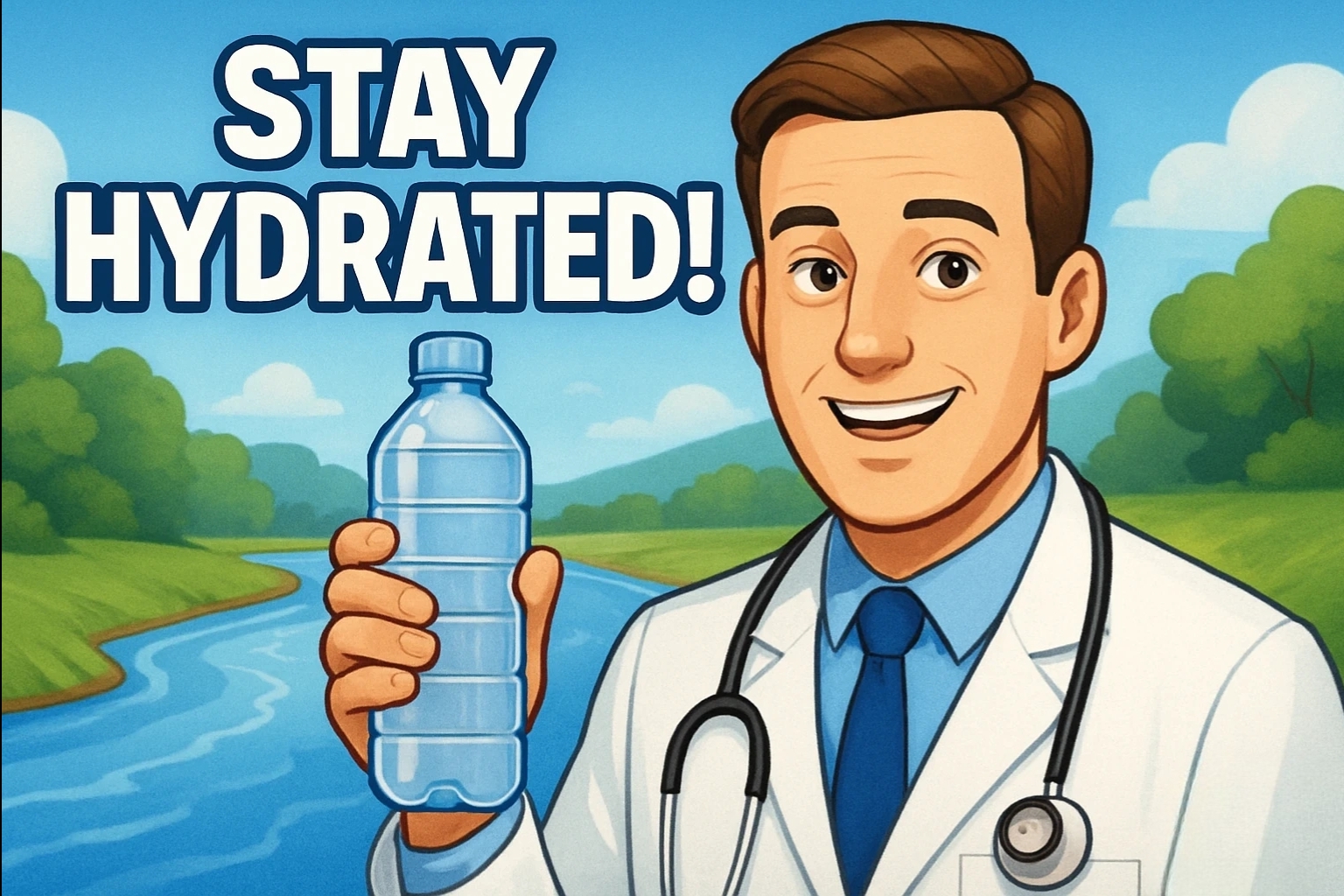
Your Blood Needs Water
Blood is made mostly of water. When you’re dehydrated:
Blood becomes thicker
Heart works harder to pump
Circulation slows down
Hidden Dehydration Symptoms
Headaches
Dry skin
Fatigue
Rapid heartbeat
Simple Fix
Drink water consistently throughout the day
Don’t wait until you feel thirsty
5. Emotional Suppression
Stress You Don’t Express Still Hurts You
Many people ignore emotional stress, but your body doesn’t.
Unprocessed emotions can:
Raise blood pressure
Increase heart rate
Trigger inflammation
Examples
Holding in anger
Constant anxiety
Avoiding confrontation
Healthy Alternatives
Journaling
Talking to someone
Practicing mindfulness
6. Excessive Salt—But Not in the Way You Think
It’s Not Just Table Salt
Most sodium comes from:
Processed foods
Fast food
Packaged snacks
Impact on the Heart
Water retention
Increased blood volume
Higher pressure on arteries
Balance Is Key
Reduce processed foods
Use natural seasonings
Read labels carefully
7. Lack of Sunlight
The Vitamin D Connection
Sunlight helps your body produce Vitamin D, essential for:
Heart function
Blood vessel health
Immune regulation
Effects of Deficiency
Increased blood pressure
Weak cardiovascular system
Fatigue and low mood
Daily Exposure
10–20 minutes of sunlight
Prefer morning or late afternoon
8. Overeating (Even Healthy Foods)
More Isn’t Always Better
Even healthy food can strain your heart if consumed excessively.
Why?
Digestion requires blood flow
Overeating diverts energy
Causes spikes in blood sugar
Signs of Overeating
Feeling heavy after meals
Sleepiness post eating
Acid reflux
Smart Eating Tips
Eat slowly
Stop before feeling full
Use smaller portions
9. Constant Screen Exposure
Digital Stress Is Real
Phones, laptops, and TVs:
Increase mental stimulation
Disrupt sleep cycles
Raise stress hormones
Physical Effects
Eye strain
Poor posture
Reduced physical activity
Protect Your Heart
Take regular screen breaks
Avoid screens before sleep
Limit social media use
10. Ignoring Early Warning Signs
Your Body Speaks—Are You Listening?
Heart problems rarely start suddenly.
Early Signs Include:
Mild chest discomfort
Shortness of breath
Fatigue
Irregular heartbeat
Ignoring these signals allows damage to progress silently.
The Hidden Link: Inflammation
The Root of Most Heart Issues
Almost all the habits listed above contribute to chronic inflammation.
What Inflammation Does:
Damages blood vessels
Narrows arteries
Increases clot risk
Anti-Inflammatory Lifestyle
Eat whole foods
Stay active
Manage stress
Sleep well
Why Doctors Don’t Always Talk About This
It’s Not About Neglect—It’s About System Limitations
Doctors often focus on:
Immediate risks
Measurable data (like BP numbers)
Medication-based treatment
Lifestyle habits require:
Time
Consistency
Personal accountability
And that’s harder to prescribe in a 10-minute appointment.
How to Protect Your Heart Naturally
Daily Habits That Actually Work
1. Move More
Walk daily
Stretch regularly
Stay physically active
2. Eat Mindfully
Reduce processed foods
Limit sugar and salt
Focus on whole nutrition
3. Sleep Better
Aim for 7–8 hours
Maintain routine
4. Manage Stress
Practice breathing exercises
Take breaks
Prioritize mental health
5. Stay Hydrated
Drink water regularly
A Simple Daily Heart-Health Routine
Morning
Drink water
Get sunlight
Light movement or stretching
Afternoon
Balanced meals
Short walks
Avoid long sitting
Evening
Reduce screen time
Light dinner
Relaxation activities
Night
Consistent sleep schedule
Calm environment
Final Thoughts
Your heart is incredibly resilient—but it’s also deeply sensitive to how you live each day.
Blood pressure isn’t the enemy. It’s a messenger.
The real threat lies in the silent habits that slowly wear your system down—without pain, without warning, and often without awareness.
The good news?
You don’t need extreme changes. You don’t need complicated plans.
Small, consistent improvements in your daily habits can dramatically transform your heart health.
Frequently Asked Questions (FAQs)
1. Can normal blood pressure still mean heart problems?
Yes. You can have normal readings but still develop heart issues due to poor lifestyle habits.
2. How quickly can lifestyle changes improve heart health?
Some improvements (like better sleep and hydration) can show effects within days, while others take weeks or months.
3. Is medication enough to protect my heart?
Medication helps manage symptoms, but without lifestyle changes, underlying issues may persist.
4. What is the biggest hidden risk to heart health?
Chronic stress and inflammation caused by daily habits are among the most overlooked risks.
5. How much exercise is enough?
At least 30 minutes of moderate activity most days of the week is recommended.
6. Can young people have heart problems from these habits?
Absolutely. These habits affect people of all ages, often silently.

You must be logged in to post a comment.