
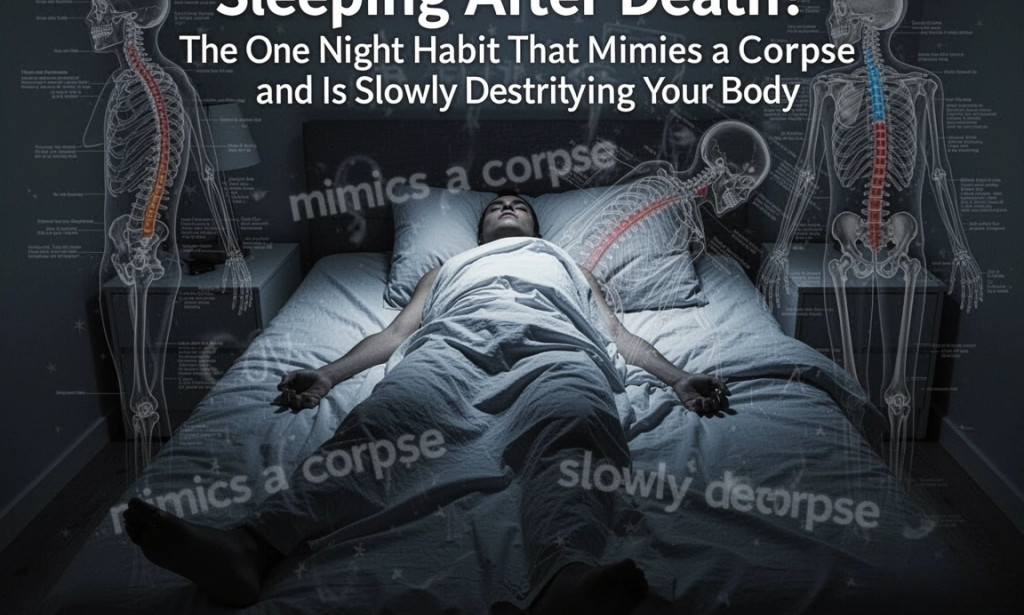
Sleeping After Death? The One Night Habit That Mimics a Corpse and Is Slowly Destroying Your Body
Introduction
Every night, millions of people unknowingly engage in a habit that resembles one of the most lifeless states imaginable — a body lying still, barely moving, disconnected from its natural rhythms. It may sound dramatic, but the way you sleep could be quietly harming your body in ways you never considered.
What if your nightly routine is mimicking a “dead state” — not in a literal sense, but biologically? What if your posture, breathing, and environment are slowly shutting down critical systems instead of restoring them?
This article dives deep into the shocking truth behind poor sleep habits, how they mimic lifelessness, and why this silent routine is gradually damaging your physical and mental health. More importantly, you’ll learn how to reverse it before it becomes a long-term health crisis.
The “Corpse-Like Sleep” Phenomenon: What Does It Mean?
Understanding the Concept
The idea of “sleeping like a corpse” refers to:
Lying completely motionless for long periods
Shallow or restricted breathing
Poor oxygen circulation
Misaligned body posture
Lack of natural sleep movement cycles
While stillness during sleep is normal, excessive immobility combined with poor posture can lead to harmful effects.
Why Movement During Sleep Is Essential
The Body Is Designed to Move — Even at Night
Your body naturally shifts positions dozens of times during sleep. These micro-movements are essential because they:
Improve blood circulation
Prevent pressure buildup on joints
Support spinal alignment
Enhance oxygen flow
Keep muscles active at a minimal level
What Happens When You Don’t Move Enough?
If your sleep becomes too static:
Blood flow slows down
Muscles stiffen
Nerve compression increases
Oxygen delivery decreases
Over time, this can create a state that resembles physical inactivity similar to a lifeless body.
The Hidden Dangers of Poor Sleeping Posture
1. Spinal Misalignment
Sleeping in the wrong position can:
Strain your neck and back
Cause chronic pain
Lead to long-term posture issues
2. Restricted Breathing
Positions like sleeping flat on your back without support can:
Narrow airways
Increase snoring
Reduce oxygen intake
3. Circulation Problems
Staying in one position for too long may:
Compress blood vessels
Cause numbness or tingling
Increase risk of swelling
The Role of Oxygen: Are You Slowly Suffocating at Night?
Shallow Breathing and Its Effects
When your breathing becomes shallow during sleep:
Oxygen levels drop
Brain function slows
Heart strain increases
Warning Signs
Waking up tired despite long sleep
Morning headaches
Dry mouth or throat
Brain fog during the day
These signs may indicate your body is not receiving enough oxygen during sleep.
The Silent Impact on Your Brain
Reduced Brain Recovery
Sleep is when your brain:
Clears toxins
Stores memories
Repairs neural pathways
Poor sleep posture and oxygen flow can disrupt these processes.
Long-Term Effects
Memory issues
Reduced concentration
Increased stress levels
Higher risk of cognitive decline
Muscle Shutdown: When Your Body Stops Supporting Itself
The Problem with Total Relaxation
While relaxation is essential, excessive immobility can:
Reduce muscle engagement
Lead to stiffness
Cause weakness over time
Common Symptoms
Morning body aches
Tight shoulders or hips
Reduced flexibility
The Link Between Sleep and Organ Health
Heart Health
Poor sleep habits can:
Increase blood pressure
Stress the heart
Reduce cardiovascular efficiency
Lung Function
Improper sleeping positions may:
Limit lung expansion
Reduce oxygen intake
Increase breathing difficulty
The Psychological Impact of Poor Sleep Habits
Emotional Instability
Poor-quality sleep can lead to:
Irritability
Mood swings
Anxiety
Mental Fatigue
Your brain struggles to function properly when sleep is compromised, resulting in:
Lack of focus
Low motivation
Reduced productivity
The “Dead Sleep” Routine: Common Night Habits to Avoid
Harmful Habits
Sleeping flat without proper pillow support
Using overly soft or overly hard mattresses
Sleeping in one fixed position all night
Poor room ventilation
Heavy meals before bedtime
Excessive screen time before sleep
How Your Mattress and Pillow Are Affecting You
Choosing the Wrong Support
A poor mattress can:
Misalign your spine
Increase pressure points
Disrupt natural sleep movement
Pillow Mistakes
Using the wrong pillow may:
Strain your neck
Restrict airflow
Cause headaches
The Science of Healthy Sleep Movements
Natural Sleep Cycles
Your body cycles through:
Light sleep
Deep sleep
REM sleep
Each phase involves subtle body movement.
Why Movement Matters
Prevents stiffness
Enhances circulation
Supports brain function
Warning Signs Your Sleep Habit Is Damaging You
Physical Symptoms
Chronic fatigue
Back or neck pain
Numbness in limbs
Poor posture
Mental Symptoms
Brain fog
Memory problems
Lack of focus
How to Fix the “Corpse Sleep” Habit
1. Improve Your Sleeping Position
Best positions include:
Side sleeping with support
Slightly elevated head position
Neutral spine alignment
2. Upgrade Your Sleep Environment
Ensure proper airflow in your room
Keep temperature comfortable
Reduce noise and light
3. Use the Right Mattress and Pillow
Medium-firm mattress for support
Pillow that aligns your neck with your spine
4. Encourage Natural Movement
Avoid overly restrictive bedding
Stretch before bed
Change positions if you wake up
5. Focus on Breathing
Practice deep breathing before sleep
Avoid positions that restrict airflow
The Role of Lifestyle in Sleep Quality
Daily Habits That Affect Sleep
Physical activity
Diet
Screen exposure
Stress levels
The Long-Term Consequences If Ignored
If this habit continues:
Chronic pain may develop
Mental clarity may decline
Energy levels may drop significantly
Overall health may deteriorate
The Truth: Sleep Should Restore, Not Imitate Stillness
Sleep is not meant to be a state of lifeless stillness. It is an active, restorative process where your body repairs, resets, and recharges.
When your sleep mimics a “dead state,” it stops being healing and starts becoming harmful.
Quick Fix Checklist
Do This:
Maintain proper posture
Use supportive bedding
Ensure airflow
Allow natural movement
Avoid This:
Sleeping completely motionless all night
Poor pillow alignment
Bad breathing positions
Ignoring discomfort
Conclusion
The way you sleep each night has a profound impact on your health. What may seem like harmless stillness could actually be a slow, silent threat to your body’s natural systems.
By understanding the risks of “corpse-like sleep” and making small but powerful changes, you can transform your nights into true recovery periods instead of hidden harm.
Your body is not designed to shut down like a lifeless object — it is designed to heal, move, and thrive, even in sleep.
The question is: Are you truly resting, or are you slowly shutting down?

You must be logged in to post a comment.