
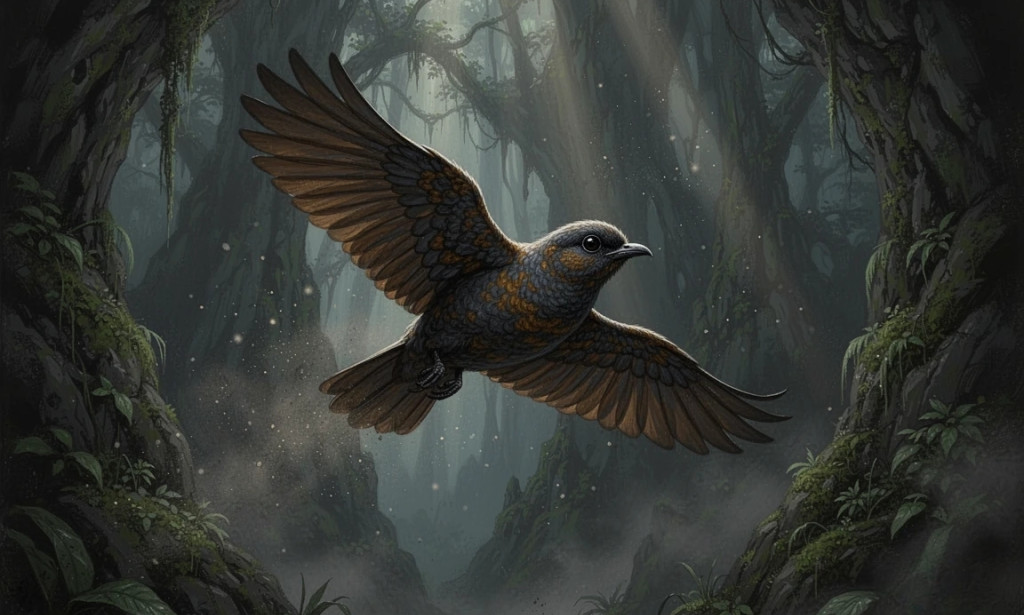
The Bird That Sounds Like a Human Baby Crying at Night
Introduction
Imagine walking through a forest at night and suddenly hearing what sounds exactly like a crying human baby echoing through the darkness. The sound is chilling. It feels unnatural, almost supernatural. Many people who hear it for the first time think something terrible has happened nearby.
But in several parts of the world, that eerie cry does not come from a human at all.
It comes from a bird.
Nature has created birds with calls so strange and emotional that they can mimic human sounds, including crying babies, screams, laughter, and even whispers. Among them, one species has earned a terrifying reputation for producing cries that resemble an infant crying in the dark.
This mysterious creature is often linked to myths, ghost stories, and local legends. Yet behind the fear lies an incredible evolutionary story.
In this article, we explore the bird that sounds like a human baby crying at night, why it makes such sounds, where it lives, and why people have feared it for centuries.
What Bird Sounds Like a Human Baby Crying?
The bird most commonly associated with human baby-like cries is the Oilbird, scientifically known as Steatornis caripensis.
is one of the world’s strangest birds and produces eerie, high-pitched cries that many people compare to infants screaming or crying.
The sound becomes even more frightening because:
Oilbirds are active only at night
They live in dark caves
Their cries echo loudly underground
Colonies may contain hundreds of birds screaming together
For someone hearing this in darkness, the experience can feel terrifying.
Meet the Oilbird — Nature’s Night Screamer
The Oilbird is unlike almost every other bird species.
Basic Facts About the Oilbird
Scientific name: Steatornis caripensis
Habitat:
Northern South America
Venezuela
Colombia
Ecuador
Peru
Trinidad
Lifestyle:
Nocturnal
Cave-dwelling
Fruit-eating
Unlike owls, Oilbirds do not hunt animals. Instead, they feed mainly on oily fruits and seeds.
Their name comes from an unusual fact: young chicks were historically so fat that people extracted oil from them.
Why Does It Sound Like a Crying Baby?
Oilbirds communicate using loud shrieks, clicks, and piercing cries.
Researchers believe these calls serve several purposes:
Navigation
Oilbirds use echolocation, similar to bats.
They produce clicking sounds that bounce off cave walls, helping them move in darkness.
Colony Communication
Large cave colonies are noisy.
Birds constantly call to:
Identify each other
Defend nesting areas
Warn of danger
Emotional Alarm Calls
Some vocalizations naturally resemble human crying due to their pitch and rhythm.
Humans are biologically sensitive to baby cries, so our brains immediately recognize similar frequencies.
Why Human Brains Think It Is a Baby
Hearing a baby cry instantly triggers attention.
Scientists believe humans evolved this sensitivity because infant survival depended on adults responding quickly.
When birds accidentally produce similar sound frequencies, our brains become confused.
This effect is called acoustic resemblance.
Characteristics that trigger the “baby cry effect” include:
High pitch
Repeating pulses
Rising and falling tones
Emotional vibration
The Oilbird checks many of these boxes.
As a result, people often mistake it for an actual infant.
The Terrifying Experience of Hearing One at Night
Imagine entering a cave at midnight.
The air is cool.
No light enters.
Then suddenly:
A scream echoes.
Another follows.
Soon dozens of cries bounce around the cave walls.
Visitors to Oilbird caves often describe the experience as:
Haunting
Ghost-like
Disturbing
Unforgettable
Some early explorers believed caves were haunted because of these sounds.
Before science explained the source, local communities created supernatural stories around them.
The Bird Behind Ghost Legends
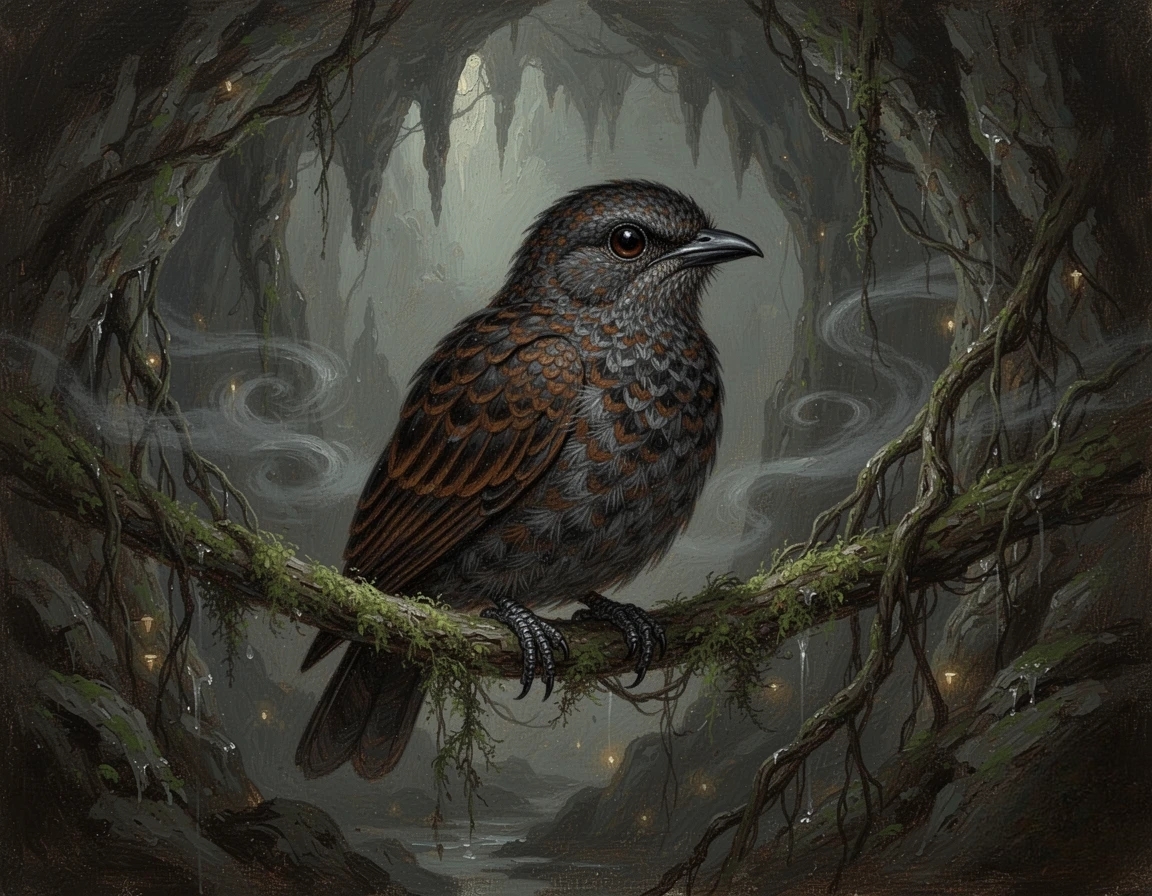
Many cultures connected mysterious night sounds with spirits.
The Oilbird became part of local folklore because:
It Lives Underground
Humans naturally associate caves with mystery.
Oilbirds spend daylight hours inside dark cave systems.
This unusual lifestyle made people view them as creatures of another world.
It Appears Only at Night
Night animals have always inspired myths.
Because people rarely saw Oilbirds during daylight, they only heard the cries.
Fear grows when the source remains invisible.
Their Eyes Look Unusual
Oilbirds possess large reflective eyes adapted for darkness.
When illuminated, the eyes can appear glowing.
This added to supernatural beliefs.
Oilbirds Use Echolocation Like Bats
One of the most shocking facts about Oilbirds is that they are among the few birds known to use echolocation.
Most people associate echolocation with bats or dolphins.
Oilbirds also emit rapid clicks.
These clicks:
Travel outward
Hit cave surfaces
Return as echoes
Help map surroundings
This allows them to fly through complete darkness.
Why Is This Rare?
Bird echolocation is extremely uncommon.
Only a few bird groups use it effectively.
Oilbirds evolved this ability because cave environments are almost completely dark.
Vision alone is not enough.
Other Birds That Sound Frightening at Night
Oilbirds are not the only birds producing terrifying sounds.
Several others have frightened humans for centuries.
Barn Owl
produces harsh screams instead of classic owl hoots.
Many listeners describe the sound as:
Human shrieking
Crying
Screaming women
This created ghost legends worldwide.
Lyrebird
is famous for copying sounds.
It can imitate:
Chainsaws
Camera shutters
Alarms
Human noises
Its vocal talent is extraordinary.
Common Loon
produces haunting calls across lakes.
Nighttime loon cries often appear in horror films because of their eerie echo.
Tawny Frogmouth
creates unsettling hisses and cries.
Many first-time listeners mistake them for human sounds.
Why Evolution Creates Scary Sounds
Animals do not evolve frightening calls to scare humans.
Their sounds serve survival purposes.
Reasons include:
Territory Defense
Loud calls warn rivals.
Mate Attraction
Unique sounds help attract partners.
Predator Warnings
Sharp cries alert colonies.
Communication in Darkness
Night species rely heavily on sound.
Humans simply interpret these noises emotionally.
Where Can Oilbirds Be Found?
Oilbirds inhabit tropical regions of South America.
Major populations exist in:
They prefer:
Mountain forests
Caves
Ravines
Dense tropical environments
Famous Oilbird Cave Locations
One famous site is:
This cave became globally known because of its massive Oilbird colonies.
Visitors often describe the cave sounds as unforgettable.
Are Oilbirds Dangerous?
Despite their terrifying cries, Oilbirds are harmless.
They do not attack humans.
They do not hunt animals.
Their diet consists mostly of fruit.
Characteristics include:
✔ Gentle behavior
✔ Social colonies
✔ Fruit-based diet
✔ No aggression toward humans
Their scary reputation comes almost entirely from their voices.
Why Baby-Like Sounds Trigger Fear
Humans evolved to react strongly to infant cries.
These sounds activate emotional centers in the brain.
Psychologists suggest that baby-like sounds trigger:
Alertness
Anxiety
Protective instincts
Curiosity
When heard in unexpected places such as forests or caves, those instincts mix with fear.
Darkness intensifies the effect.
The Role of Darkness in Sound Illusions
At night, humans rely less on vision.
The brain fills missing information using imagination.
This explains why strange sounds feel more frightening after sunset.
Factors increasing fear:
Limited visibility
You cannot identify the source.
Echo effects
Caves amplify noises.
Isolation
Remote environments heighten alertness.
Evolutionary survival instincts
Humans remain cautious in darkness.
The Oilbird perfectly exploits these conditions—without even trying.
The Science Behind “Haunted” Animal Sounds
Many ghost stories originate from wildlife.
Examples include:
Bird screams
Fox calls
Owls
Frogs
Cats
Bats
When combined with darkness and echoes, ordinary animal sounds become mysterious.
Scientists call this auditory misinterpretation.
Humans attempt to match unknown sounds to familiar experiences.
A crying baby becomes the closest match.
Conservation Status of Oilbirds
Oilbirds are not currently considered globally endangered, but habitat protection remains important.
Threats include:
Cave disturbance
Deforestation
Tourism pressure
Habitat loss
Protecting forests also protects these remarkable birds.
Their ecological role includes seed dispersal.
By eating fruit and moving long distances, they help forests regenerate.
Fascinating Oilbird Facts
Oilbirds sleep in caves during daylight
Unlike most birds, they spend much of the day underground.
They navigate in darkness
Their echolocation makes this possible.
They fly long distances for fruit
Night feeding trips may cover many kilometers.
They inspired legends
People once believed their caves were haunted.
Their cry sounds disturbingly human
This remains their most famous feature.
Could You Mistake One for a Human?
Absolutely.
Many first-time listeners do.
Without seeing the bird, the cry can sound remarkably human.
Factors increasing confusion:
Darkness
Echoes
Distance
Isolation
Repetition
A crying sound in the forest automatically captures human attention.
The Oilbird uses none of this intentionally—it is simply nature producing an unexpected effect.
Conclusion
The bird that sounds like a human baby crying at night is one of nature’s strangest mysteries.
The Oilbird combines everything humans instinctively fear:
Darkness
Caves
Echoes
Hidden movement
Human-like cries
Yet behind its frightening reputation lies an extraordinary survivor.
It is a fruit-eating bird that navigates using echolocation, lives in cave colonies, and plays an important role in tropical ecosystems.
Its eerie voice reminds us that nature can be more surprising—and sometimes more unsettling—than fiction.
The next time you hear a mysterious cry in the darkness, it may not be a ghost story at all.
It might just be a bird.
Frequently Asked Questions (FAQs)
1. What bird sounds like a crying baby at night?
The Oilbird is most famous for producing cries that resemble a human baby.
2. Are Oilbirds dangerous to humans?
No. Oilbirds are harmless fruit-eating birds.
3. Why do Oilbirds scream?
They use vocalizations for communication and navigation.
4. Do Oilbirds use echolocation?
Yes. They are among the few birds known to use echolocation.
5. Where do Oilbirds live?
They live mainly in tropical regions of South America and in cave systems.
6. Why do humans fear these sounds?
Human brains are highly sensitive to baby cries, especially in darkness.


You must be logged in to post a comment.