
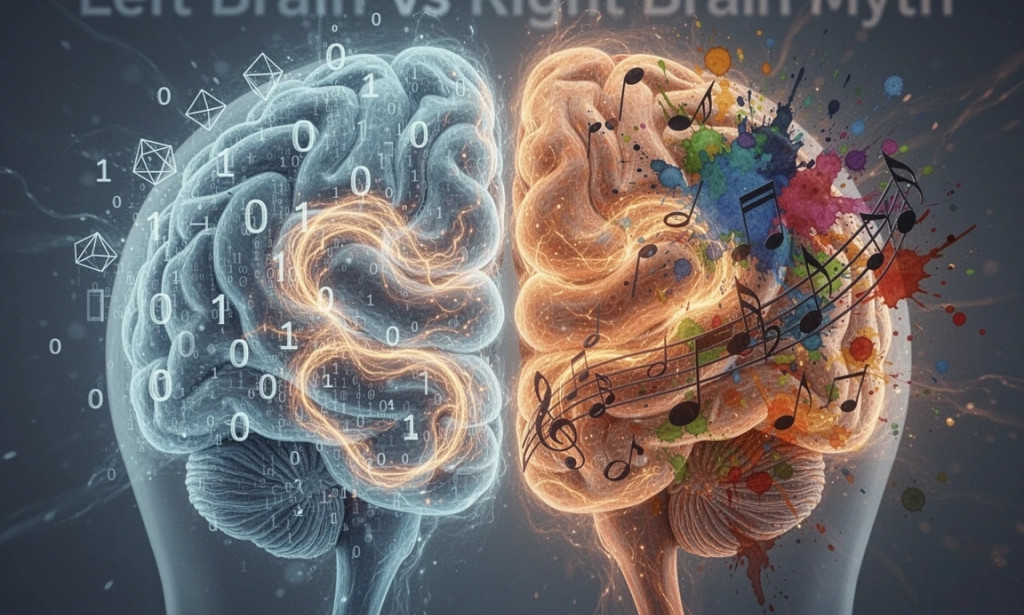
Your Brain Has Two Personalities — The Shocking Truth About Left vs Right Hemisphere Myths
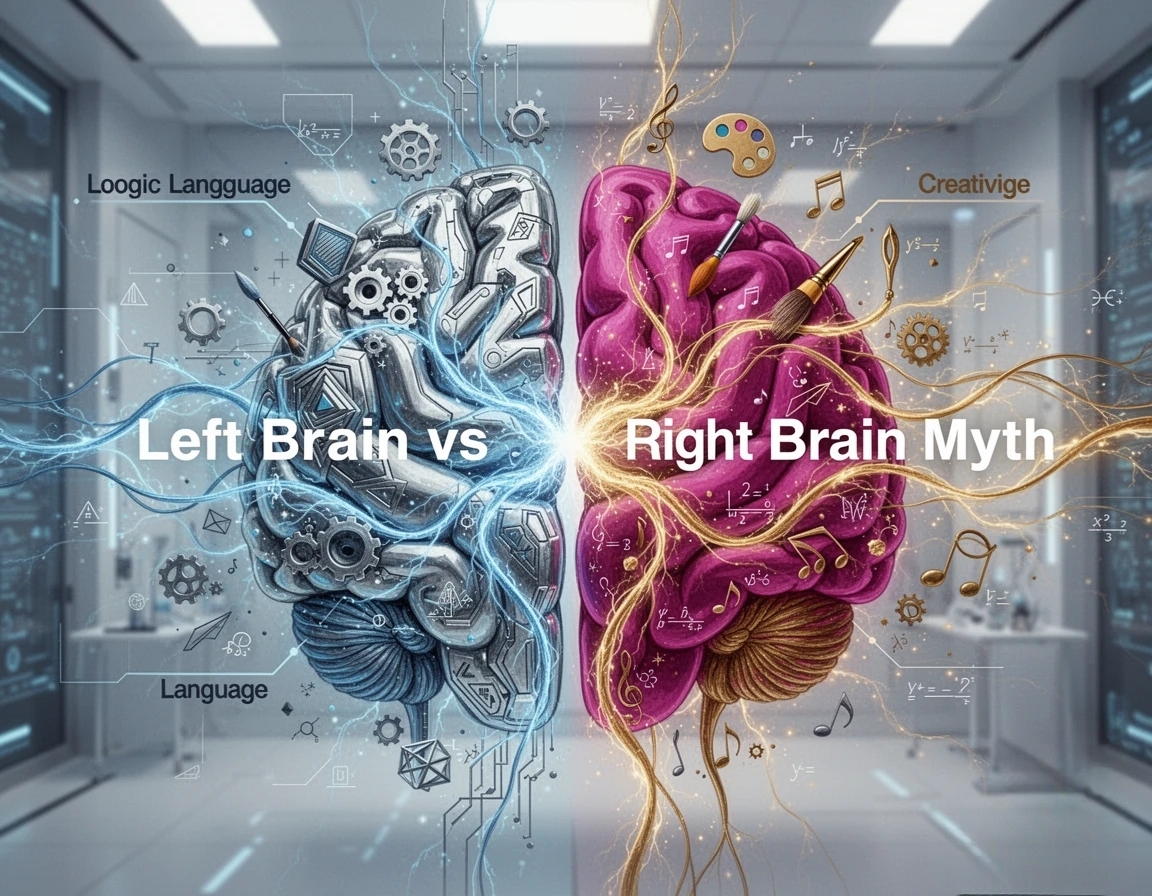
Introduction
“You’re left-brained.”
“You’re right-brained.”
For decades, people have been told that the human brain contains two competing personalities. One side is supposedly logical, mathematical, and analytical. The other is artistic, emotional, and creative.
The idea became wildly popular in schools, self-help books, personality tests, and workplace training. Millions of people began identifying themselves as either left-brain thinkers or right-brain creatives.
But modern neuroscience reveals something shocking:
The popular version of the left-brain vs right-brain theory is mostly a myth.
Your brain does not split you into two separate personalities. Instead, both hemispheres constantly communicate and cooperate in ways far more complex than most people realize.
In this article, we will uncover the truth behind one of psychology’s most famous myths, explore what scientists actually discovered about brain hemispheres, and reveal how your mind really works.
Where Did the Left Brain vs Right Brain Idea Come From?
The myth did not appear out of nowhere.
It originated from real scientific discoveries.
In the 1960s, neuroscientists studying patients with severe epilepsy performed a procedure called corpus callosotomy, commonly known as split-brain surgery.
This surgery cut the corpus callosum, the thick bundle of nerve fibers connecting the two hemispheres.
Researchers noticed something extraordinary.
The two sides of the brain could behave differently.
Some patients showed unusual responses suggesting that each hemisphere processed information in unique ways.
This led scientists to investigate further.
Eventually, the discoveries reached popular media—but the science became heavily simplified.
The public message became:
Left brain = logic
Right brain = creativity
People belong to one side
Unfortunately, reality turned out to be far more complicated.
What Does the Left Hemisphere Actually Do?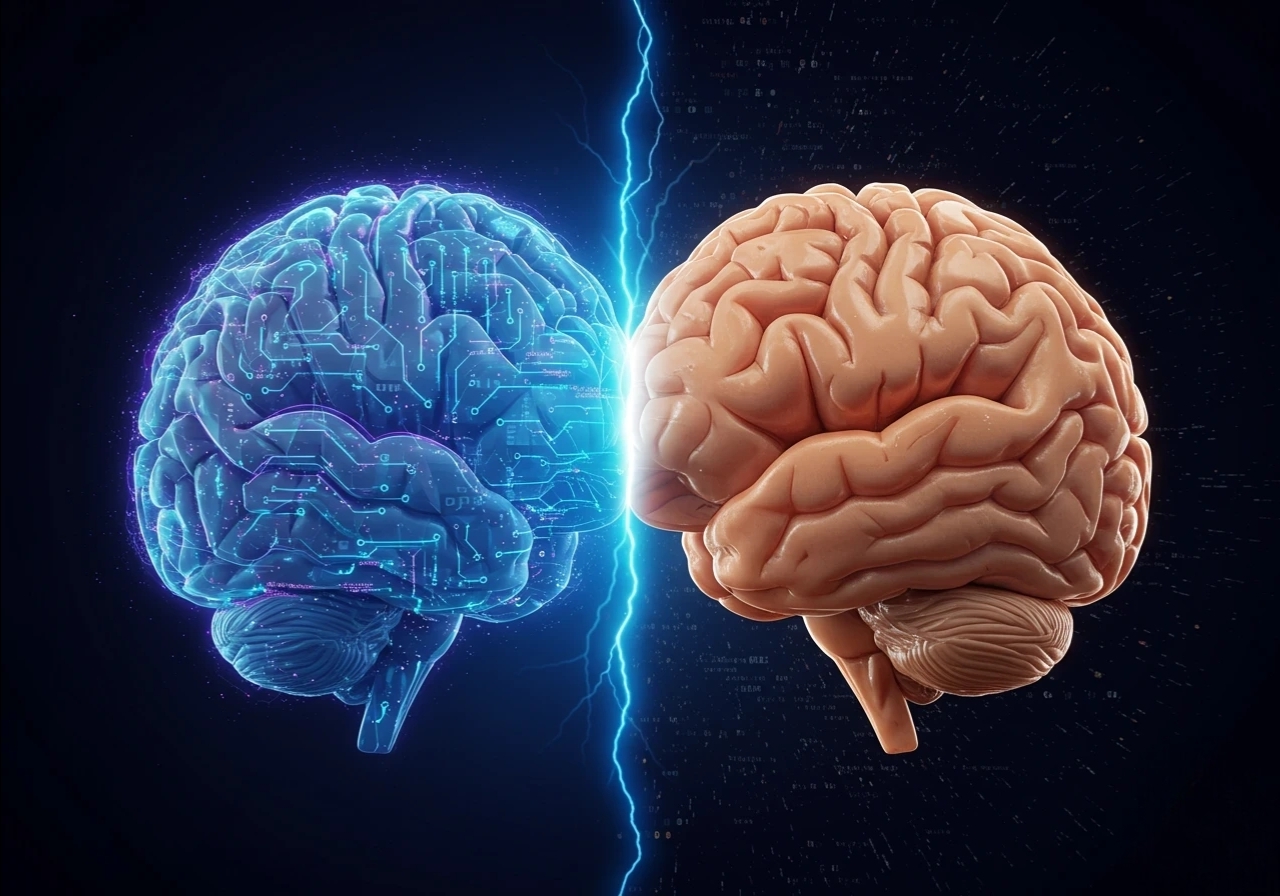
The left hemisphere is indeed associated with several specialized functions.
But that does not mean it owns logic entirely.
Language Processing
For most people, the left hemisphere plays a major role in:
Speech production
Grammar
Reading
Writing
Vocabulary recognition
Areas such as Broca’s area and Wernicke’s area are heavily involved in language functions.
Damage to these regions can affect speech and understanding.
Sequential Processing
The left hemisphere often processes information step by step.
Examples include:
Mathematical procedures
Ordered tasks
Logical sequences
Analytical breakdowns
However, this does not mean the right hemisphere lacks logic.
Both sides contribute.
Fine Motor Control
The left hemisphere controls movement on the right side of the body.
This cross-control happens because nerve pathways cross within the nervous system.
What Does the Right Hemisphere Actually Do?
The right hemisphere also has specialized roles.
But again, specialization does not equal exclusivity.
Spatial Awareness
The right hemisphere helps process:
Distance
Shapes
Visual relationships
Navigation
Spatial orientation
This ability helps humans understand environments and movement.
Facial Recognition
Research suggests the right side contributes strongly to recognizing faces and interpreting expressions.
It helps identify:
Emotions
Nonverbal cues
Social signals
Creative Associations
The right hemisphere often assists with:
Imagination
Metaphors
Music perception
Pattern recognition
Yet creativity itself involves multiple brain networks, not one hemisphere.
The Biggest Myth — People Are Not “Left-Brained” or “Right-Brained”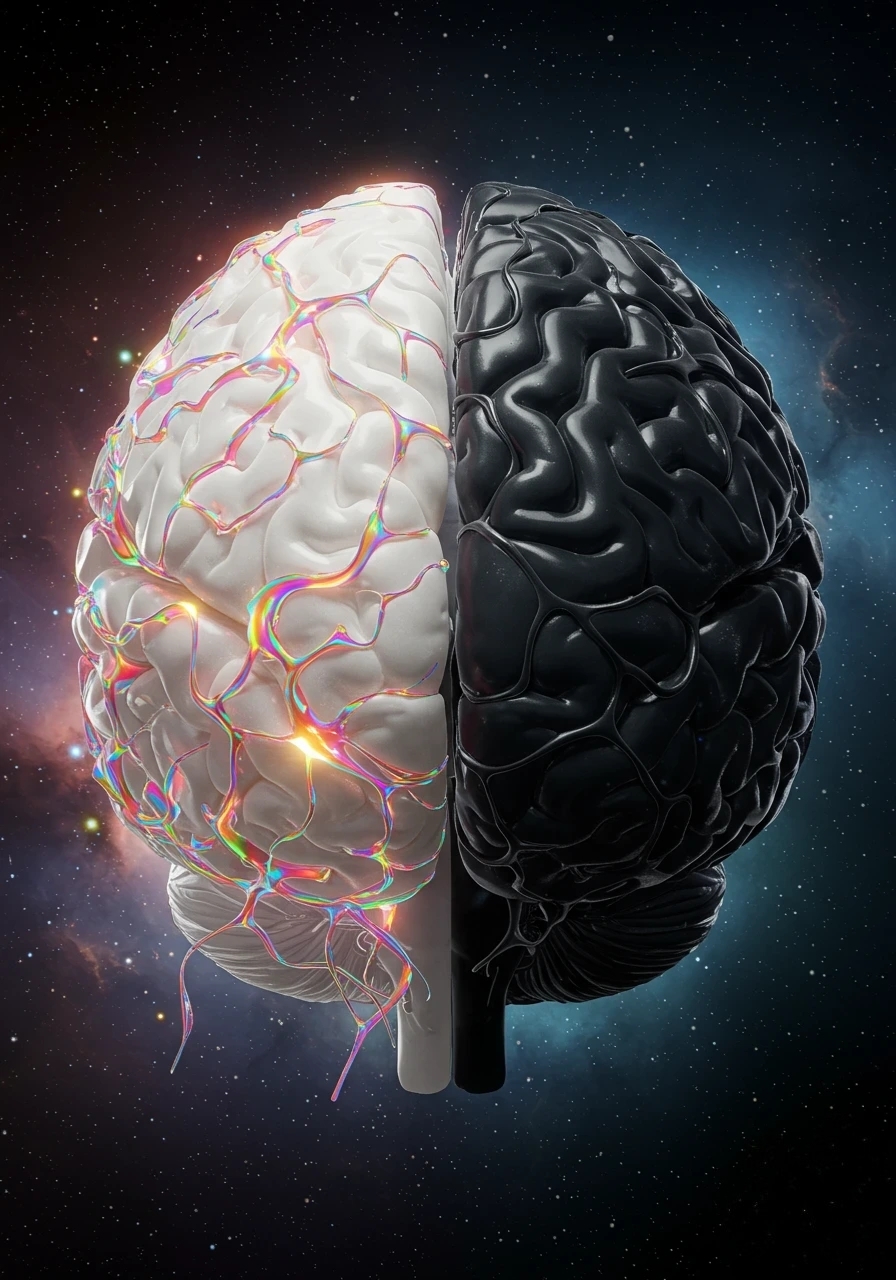
This is where popular culture got it wrong.
Science does not support the idea that individuals use one hemisphere more than the other as a personality type.
There is no evidence that:
Artists are right-brained
Accountants are left-brained
Creative people avoid logic
Logical people lack imagination
Brain scans show widespread activity across both hemispheres during most tasks.
Writing poetry?
Both hemispheres activate.
Solving equations?
Both hemispheres activate.
Listening to music?
Both hemispheres activate.
Your brain works more like an orchestra than two rival personalities.
Why the Myth Became So Popular
The theory survived because it felt believable.
Humans naturally enjoy categories.
We like labels because they simplify complexity.
The idea offered people an easy identity:
“I’m creative because I’m right-brained.”
“I struggle with art because I’m left-brained.”
It explained strengths and weaknesses quickly.
Schools embraced it.
Businesses used it.
Personality tests spread it worldwide.
But simplicity often sacrifices truth.
The human brain is not simple.
The Real Story — The Brain Is a Team, Not a Battle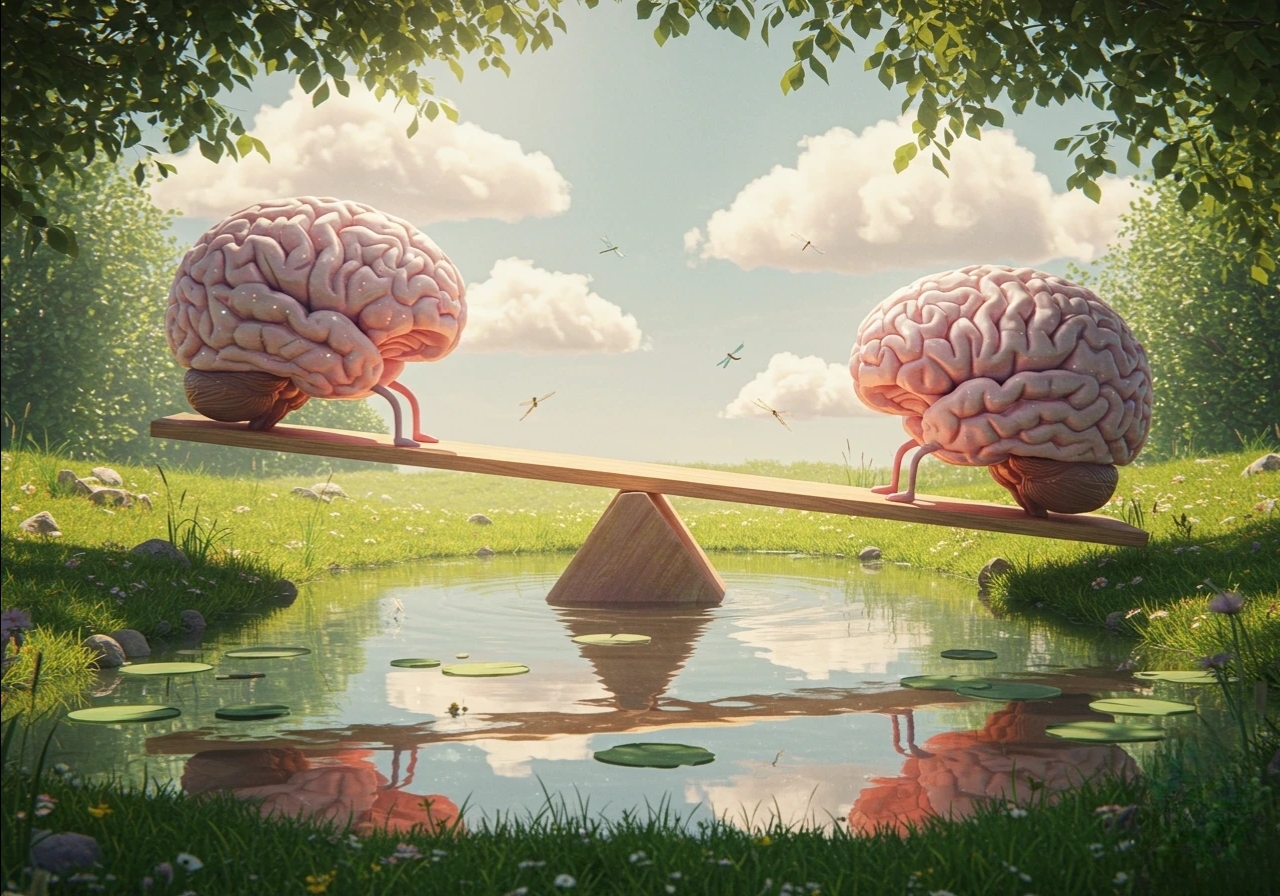
The two hemispheres constantly exchange information.
The connection occurs through the corpus callosum, containing hundreds of millions of nerve fibers.
Think of it as a giant communication highway.
Information flows continuously between sides.
Examples:
Reading a sentence involves:
Language centers
Visual processing
Memory systems
Emotional interpretation
Creating art involves:
Motor planning
Spatial processing
Emotional networks
Executive functions
No hemisphere works alone.
Split-Brain Patients Revealed Something Incredible
Split-brain studies produced some astonishing observations.
Patients sometimes acted as if the hemispheres possessed independent awareness.
One hand might perform an action while the other interfered.
Objects seen by one visual field could be recognized differently.
Scientists called this hemispheric specialization.
But these cases involved rare surgical conditions.
They do not represent normal brains.
Healthy people maintain continuous inter-hemisphere communication.
So while split-brain studies showed separation effects, they do not prove everyday people have two separate personalities.
Creativity Is Not Located in One Side of the Brain
Perhaps the biggest casualty of the myth is creativity.
Many assume creativity lives exclusively in the right hemisphere.
Neuroscience says otherwise.
Creativity requires collaboration between networks:
Default Mode Network
Associated with:
Daydreaming
Imagination
Internal thinking
Executive Control Network
Handles:
Evaluation
Planning
Decision-making
Salience Network
Helps switch attention and prioritize information.
Creative thinking emerges when these systems interact.
Art is not “right-brain only.”
It is whole-brain activity.
Emotions Are Also Not Limited to the Right Hemisphere
Another common belief:
Right brain = emotional
Left brain = rational
Reality is different.
Emotion processing involves many regions:
Amygdala
Prefrontal cortex
Insula
Limbic structures
Both hemispheres contribute.
Even emotional language often depends on left-side systems.
Meanwhile, emotional tone and facial interpretation may involve right-side strengths.
Again, cooperation wins.
Brain Lateralization Is Real — But Misunderstood
Now comes the important distinction.
The myth is false.
But lateralization is real.
Lateralization means some functions show stronger activity in one hemisphere.
Examples:
Left dominance:
Language
Grammar
Speech production
Right dominance:
Spatial attention
Facial processing
Certain visual tasks
Specialization exists.
Personality division does not.
This difference matters.
The “Two Personalities” Feeling Inside Your Mind
Many people report feeling like they have two internal selves.
One emotional.
One rational.
One impulsive.
One careful.
This sensation may come from competing brain systems rather than competing hemispheres.
Examples include:
Fast Thinking vs Slow Thinking
Psychologists describe:
Fast system
Emotional
Automatic
Instinctive
Slow system
Deliberate
Analytical
Controlled
These systems operate throughout the brain.
Not just left versus right.
Emotional vs Executive Systems
Brain regions sometimes compete.
Immediate reward may conflict with long-term goals.
This creates internal tension.
But it is network interaction—not hemisphere warfare.
Modern Brain Imaging Destroyed the Myth
Functional MRI studies transformed neuroscience.
Scientists could now observe active brains in real time.
The findings surprised many.
Complex tasks activated distributed networks across both hemispheres.
Researchers failed to find evidence that people consistently belonged to one hemisphere personality type.
No “left-brain people.”
No “right-brain people.”
Instead:
Humans show varying strengths, experiences, learning patterns, and neural connections.
How the Myth Still Affects Education
The myth remains powerful in classrooms.
Some teaching systems still classify students as:
Left-brained learners
Right-brained learners
This can be harmful.
Students may limit themselves.
Examples:
“I’m not good at math because I’m artistic.”
“I cannot paint because I’m analytical.”
These labels become self-fulfilling.
The brain is adaptable.
Neuroplasticity allows growth.
Skills improve through learning and practice.
Your brain is not trapped by hemisphere identity.
Neuroplasticity — The Brain Can Rewire Itself
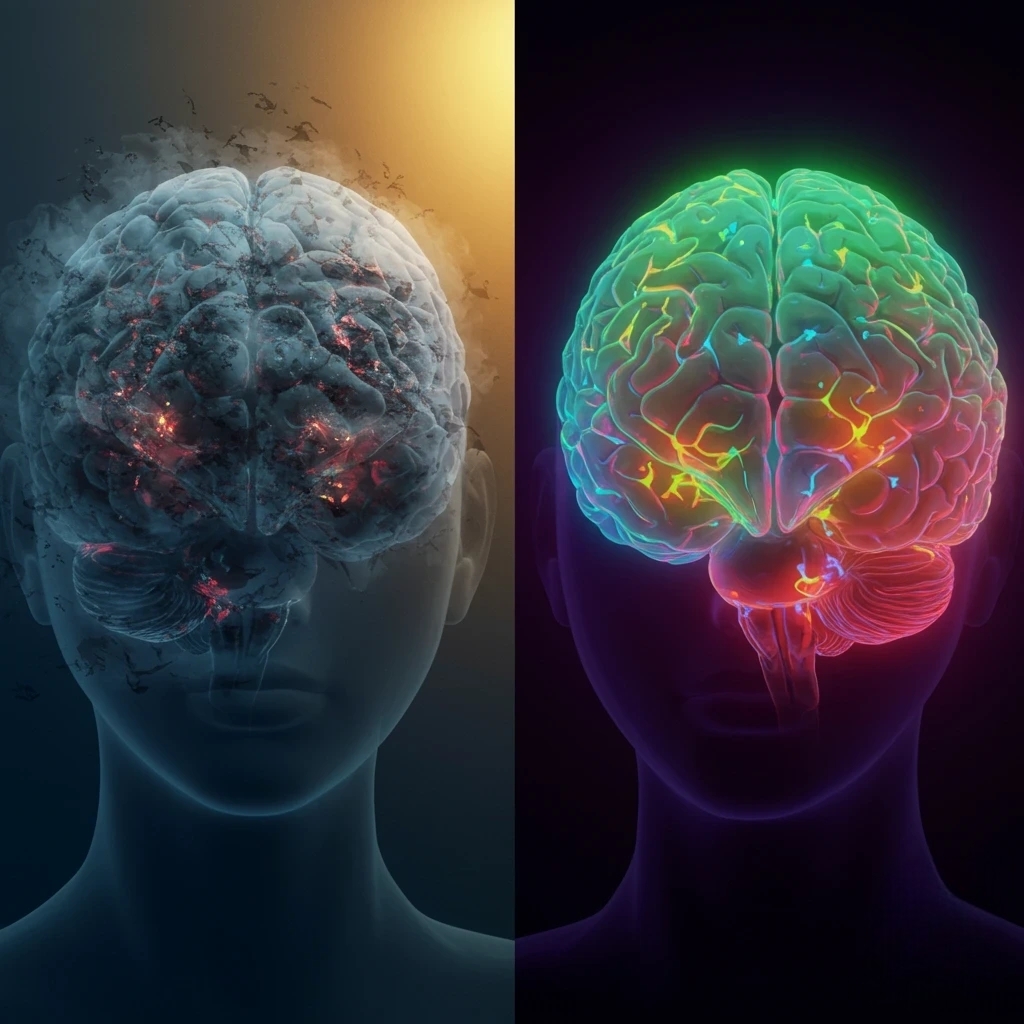
Perhaps the most hopeful discovery in neuroscience is neuroplasticity.
The brain changes continuously.
Neural pathways strengthen through:
Practice
Learning
Repetition
Experience
Musicians alter brain structure.
Language learners build new networks.
Athletes reshape motor systems.
Your abilities are not permanently fixed.
The brain evolves.
Strange Cases That Confused Scientists
Some neurological conditions created bizarre observations.
These cases fueled hemisphere theories.
Alien Hand Syndrome
Patients may experience a hand acting independently.
The limb appears to move without conscious intention.
This often involves disrupted communication pathways.
Hemisphere Neglect
Damage to one side can cause patients to ignore parts of space.
Someone may only eat food from one side of a plate.
These conditions reveal specialization—but also demonstrate how interconnected the system normally is.
Why Humans Love Brain Myths
Brain myths spread easily because the brain feels mysterious.
Popular examples include:
We use only 10% of our brains
Left vs right personality types
Memory works like a camera
Intelligence never changes
Most are oversimplified.
Reality is richer.
The brain is dynamic, flexible, and interconnected.
Signs You May Still Believe the Left vs Right Brain Myth
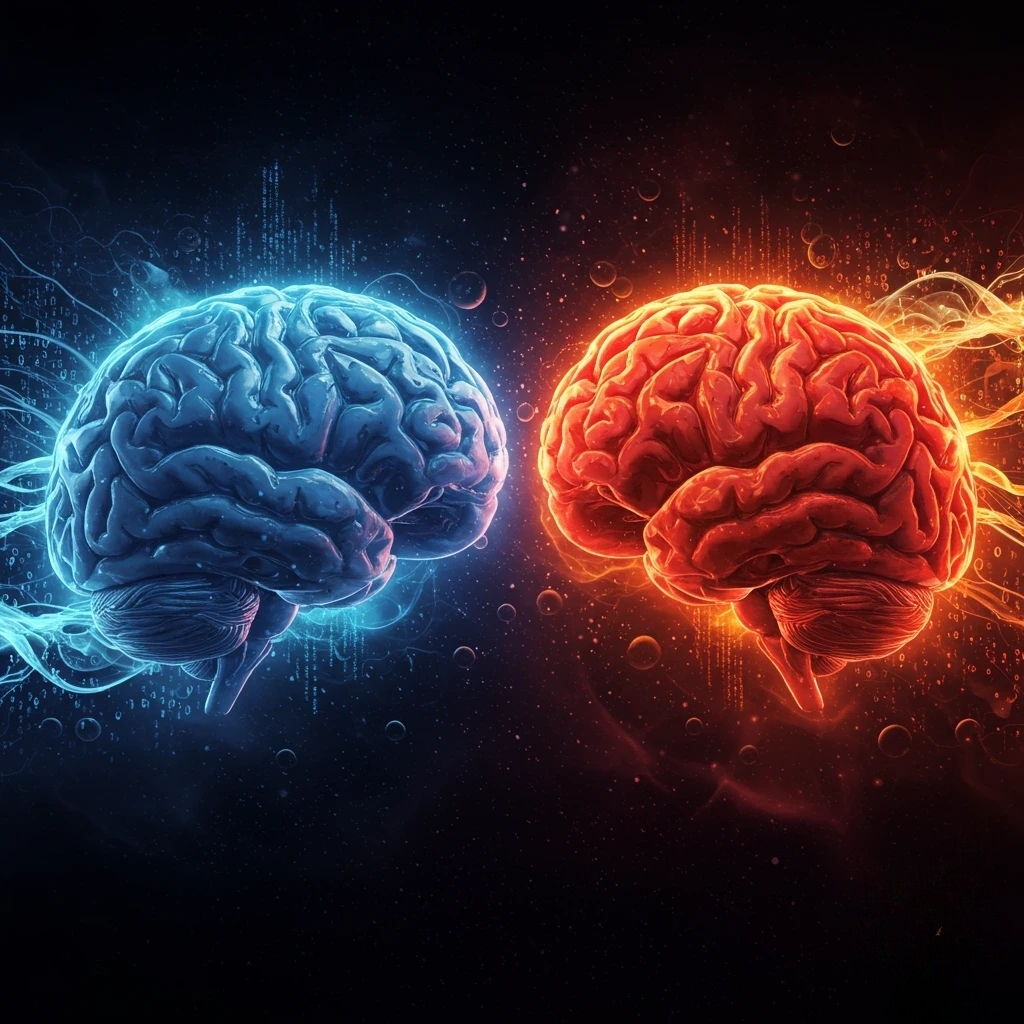
Ask yourself:
Do you think:
✔ Creativity belongs to one side only?
✔ Logical people cannot be artistic?
✔ Personality depends on hemisphere dominance?
✔ Learning styles are biologically fixed?
If yes, you may still be carrying this old idea.
Modern neuroscience paints a different picture.
The Real Truth About Your Brain
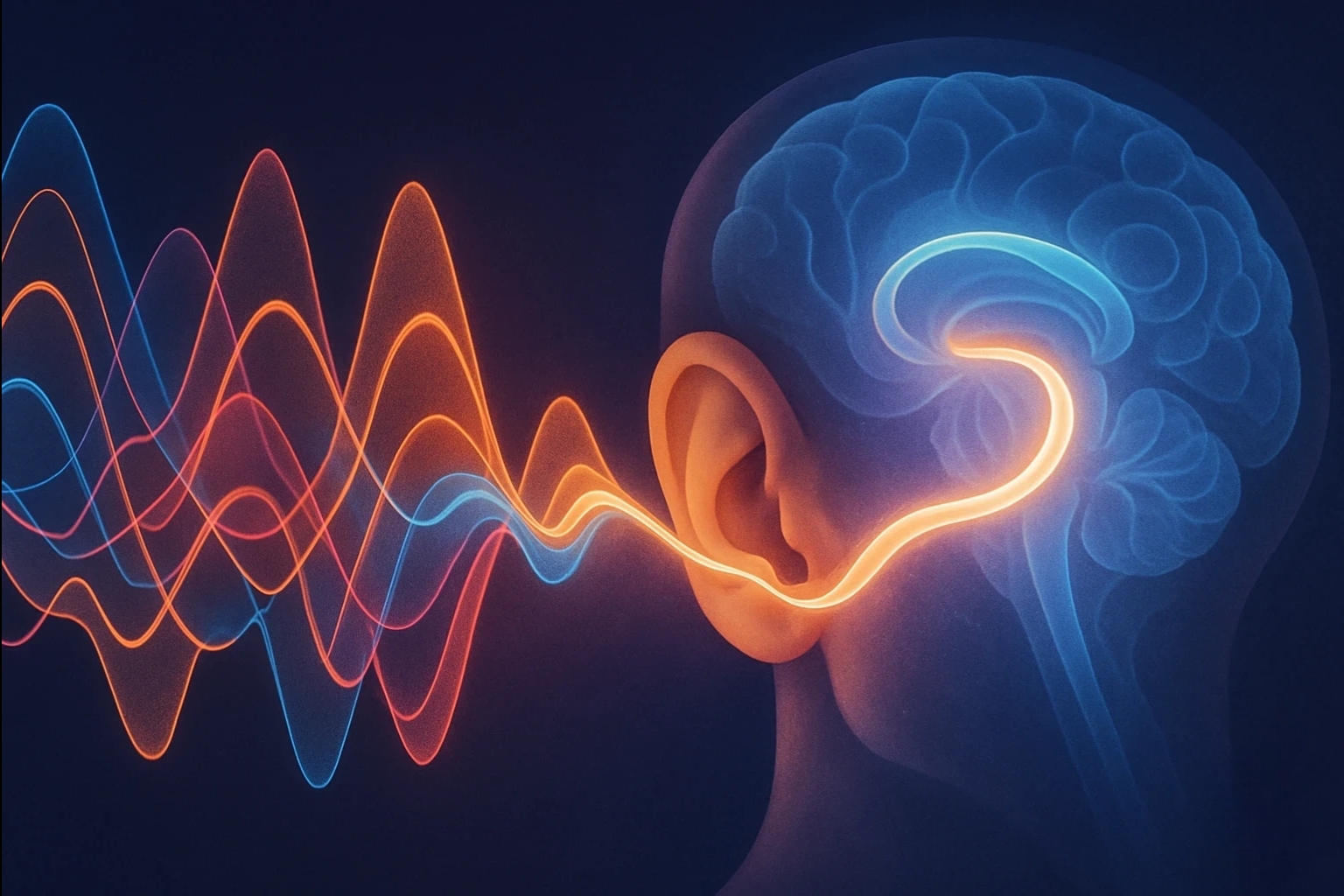
Your brain does not contain two personalities fighting for control.
It contains billions of neurons forming enormous networks.
The hemispheres specialize.
They cooperate.
They adapt.
They learn.
You are not left-brained.
You are not right-brained.
You are whole-brained.
And that complexity is far more fascinating than the myth.
Key Takeaways
The Truth About Left vs Right Brain Myths
The popular left-brain vs right-brain personality theory is largely false
Brain hemispheres have specialized functions
Most tasks activate both hemispheres
Creativity involves multiple networks
Emotions are processed across the brain
Neuroplasticity allows learning and change
People are not biologically divided into logical and creative types
Conclusion
The idea that your brain has two separate personalities—one logical and one creative—has fascinated people for decades. It is simple, memorable, and easy to believe. But modern neuroscience tells a much more surprising story.
Yes, the brain’s hemispheres have specialized roles. The left side may contribute more to language and sequential processing, while the right side often supports spatial awareness and pattern recognition. Yet neither side works alone.
Every thought, emotion, memory, and creative idea emerges from vast networks working together across the entire brain.
You are not “left-brained.” You are not “right-brained.”
You are the result of billions of neurons communicating, adapting, and evolving every second.
The real power of the human brain is not division—it is connection.
And that truth is far more extraordinary than the myth.
Frequently Asked Questions (FAQs)
1. Is the left brain logical and the right brain creative?
Not entirely. Certain functions are more dominant in each hemisphere, but creativity and logic involve both sides working together.
2. Do people have a dominant brain side?
No evidence shows that people permanently belong to left-brain or right-brain personality categories.
3. Is brain lateralization real?
Yes. Some functions are more active in one hemisphere, but this does not create separate personalities.
4. Can creative people also be analytical?
Absolutely. Creativity and analysis often work together.
5. Does the brain change over time?
Yes. Neuroplasticity allows the brain to adapt and reorganize through learning and experience.
6. Why is the left vs right brain myth still popular?
Because it offers simple explanations and personality labels, even though neuroscience does not support them.


You must be logged in to post a comment.