

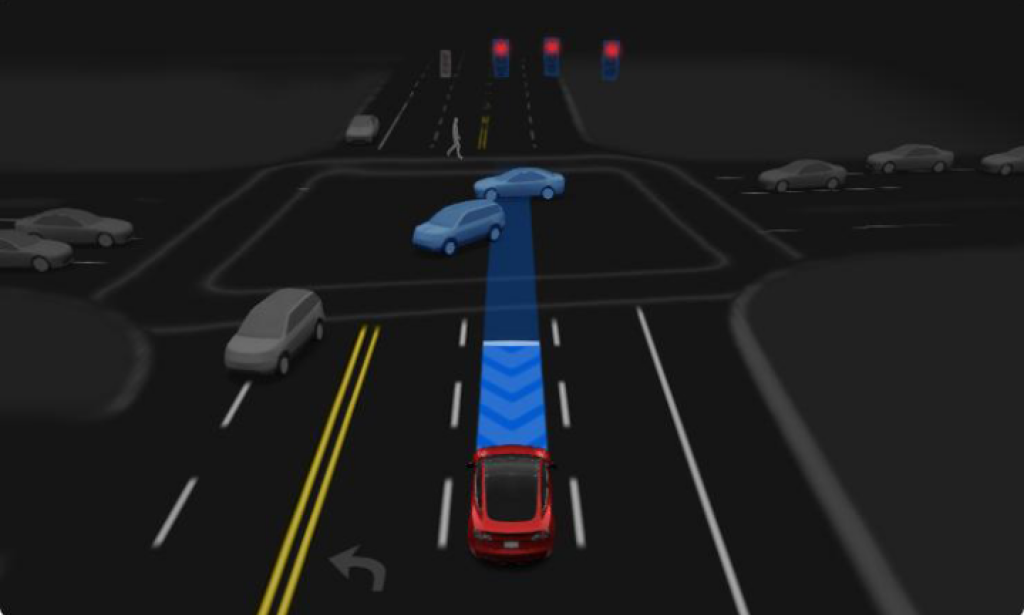
Tesla Introduces a New Driving Technology That Looks Like a Video Game
Tesla has once again captured the attention of technology enthusiasts after unveiling a futuristic feature that makes driving appear like something taken straight out of a modern video game.
The American electric vehicle manufacturer, led by billionaire entrepreneur Elon Musk, has introduced a new visualisation feature known as Tesla Reality View. The feature is part of the company's Full Self-Driving (Supervised) V15 software update.
Unlike traditional driving displays that primarily show maps, vehicle information and camera footage, Reality View creates a more detailed, third-person representation of the vehicle and its surrounding environment.
The technology uses artificial intelligence and information from the vehicle's external cameras to generate a visual representation of the road, nearby vehicles, pedestrians and other objects.
The result is an impressive display that resembles the graphics found in popular open-world video games.
Elon Musk Compares Tesla's Technology to GTA
Elon Musk helped generate even more excitement around the announcement after sharing a post comparing the new technology to Grand Theft Auto.
His comments quickly attracted attention from Tesla supporters and technology enthusiasts, with many social media users expressing amazement at how the vehicle's surroundings appear on the display.
Some users compared the visual experience to GTA 6, one of the most anticipated video games in the world.
However, Tesla's Reality View is not a version of Grand Theft Auto, and it does not mean drivers can play the game while driving. It is a visualisation of the actual road environment.
According to reporting on the announcement, Musk said the real-time AI video generation runs using only half of one of Tesla's AI4 accelerators.
This is particularly interesting because artificial intelligence video generation can require substantial computing resources.
What Can Tesla Reality View Actually Do?
The feature is designed to help drivers better understand how Tesla's driving assistance software interprets the surrounding environment.
Rather than displaying only conventional camera images, the system creates a computer-generated view of the vehicle and nearby objects.
The updated Full Self-Driving software also promises improvements in recognising road hazards, including potholes, animals, road signs and debris.
Tesla says the system has also been improved to handle situations involving bad weather, school zones and standing water.
Another interesting development is the company's effort to make its software better at understanding individual driving habits.
These developments demonstrate how Tesla is increasingly relying on artificial intelligence and software to improve the experience of owning its vehicles.
Is Tesla's New Technology Fully Self-Driving?
Despite the impressive graphics and the excitement surrounding the announcement, there is an important distinction that drivers need to understand.
Tesla's Full Self-Driving system still requires human supervision.
The Reality View feature does not transform a Tesla into a completely autonomous vehicle that can operate without a responsible driver.
Drivers must remain attentive, monitor the road and be prepared to take control when necessary.
Tesla has also made claims about improvements in safety-critical driving interventions, but those claims should not automatically be interpreted as independently verified proof that the technology is safer in every driving situation.
The distinction is important because advanced driver assistance technology still carries risks when drivers become overly confident or distracted.
Why This Development Matters for the Future of Electric Cars
Tesla's latest development demonstrates the growing relationship between electric vehicles, artificial intelligence and advanced computing.
In the past, vehicle manufacturers competed mainly through engine performance, design, comfort and fuel efficiency.
Today, software, autonomous-driving capabilities and artificial intelligence are becoming increasingly important areas of competition.
Tesla wants its vehicles to become more than electric cars. The company is investing heavily in technologies that could eventually support robotaxis and other autonomous transportation services.
The same AI developments are also connected to Musk's wider ambitions involving robotics and artificial intelligence.
Whether Reality View becomes a major practical improvement or remains an impressive visual feature, it provides another example of how quickly automotive technology is changing.
Conclusion
Tesla's Reality View has generated excitement because it brings a video-game-like visual experience into the world of real driving.
Elon Musk's involvement has helped the announcement attract international attention, but the most important question is whether the underlying software can consistently deliver safe and reliable performance.
For now, Tesla owners and technology enthusiasts will be watching closely as the Full Self-Driving V15 update develops.
Sources and Further Reading









































You must be logged in to post a comment.